Terms & Conditions
- All items sold by RP Coins are supplied on approval and may be returned for any reason within seven days of receipt. Customers returning goods are responsible for arranging insurance against loss or damage. Third party sales items are sold on approval where indicated. Please see the introduction to that section for further details.
- Clients of known good standing to us will have their goods shipped upon receipt of order or as soon as is practicable afterwards, payment being due upon their receipt of invoice. All other clients’ orders will be held pending payment and shipped on receipt of cleared funds. All goods remain the property of RP Coins until paid for in full.
- Payment should be made in GBP by the following means - cheque drawn on a UK bank made payable to RP Coins. Please do NOT make them payable to R Pearce. Payment may also be made by postal order, banker’s draft or transfer to our bank account at Bank of Scotland, sort code 80-22-60, account no. 29068662. Cheques or money orders drawn on foreign bank accounts in local currency are expensive to process and may take up to a month to clear. If this is the only option available to you, please add £15 to the invoice total to cover the additional charges. Payment can be made using debit or credit cards as indicated.
- Postage will be charged on all orders.
- For UK coin orders up to £50 value the cost is £5.00. Orders over this up to £750 will be despatched by Royal Mail Special Delivery (insured) at a cost of £12 per order. Over £750 is £20 per order. Books and other heavy items will be charged according to the prevailing postage cost for that weight.
- Export sales are supplied net of any UK VAT (where applicable). Import duties or taxes payable in the destination country are the responsibility of the customer.
- All items sold are guaranteed genuine unless indicated otherwise.
Half Crown

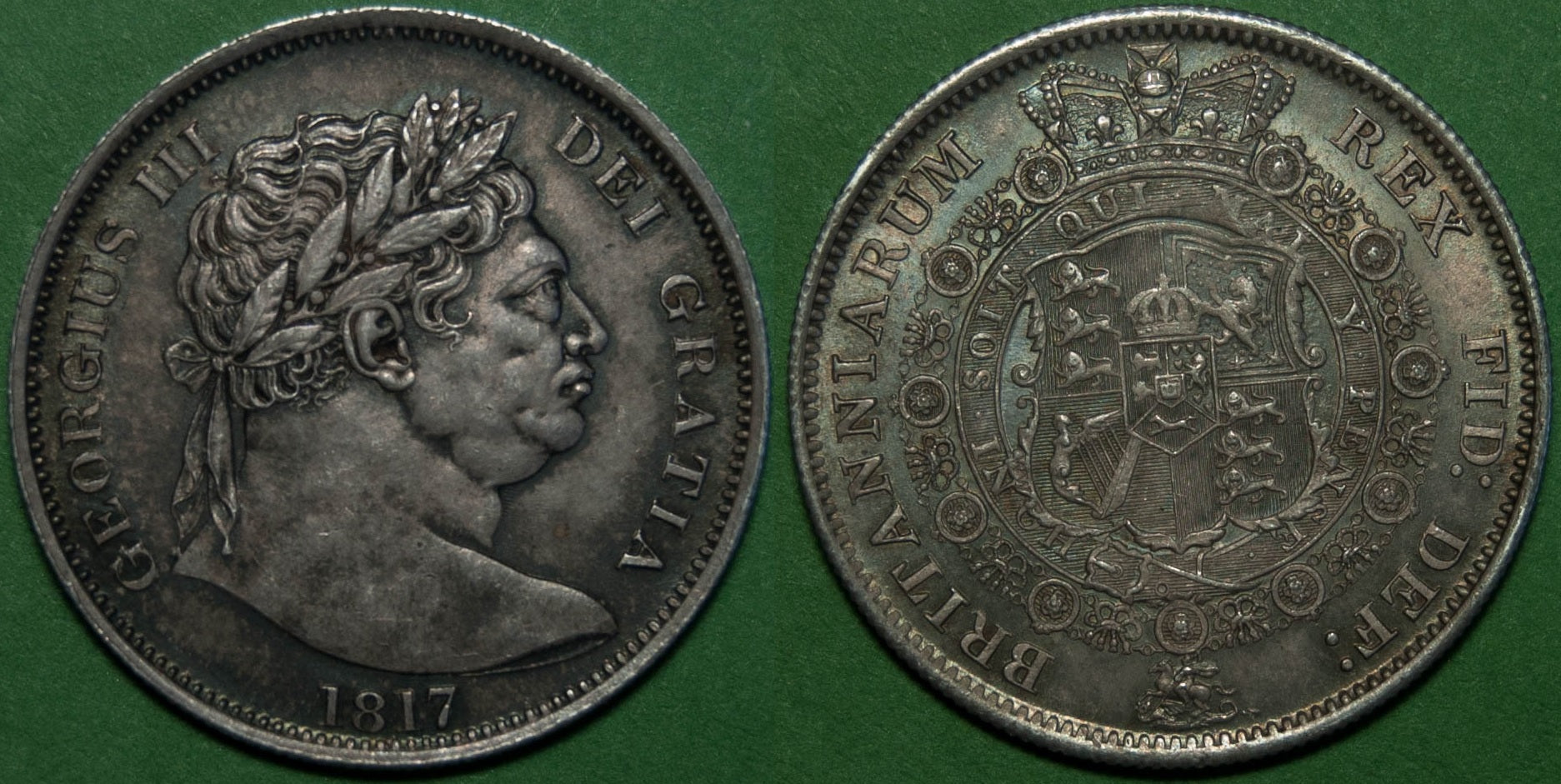
1817 Halfcrown, Large Head
£487.50
S3788, Davies 51, ESC 2090 (616). George III 1817 first issue halfcrown with the large head. A little wear to the high points and a grey/green tone. Grade: EF+ *REDUCED*

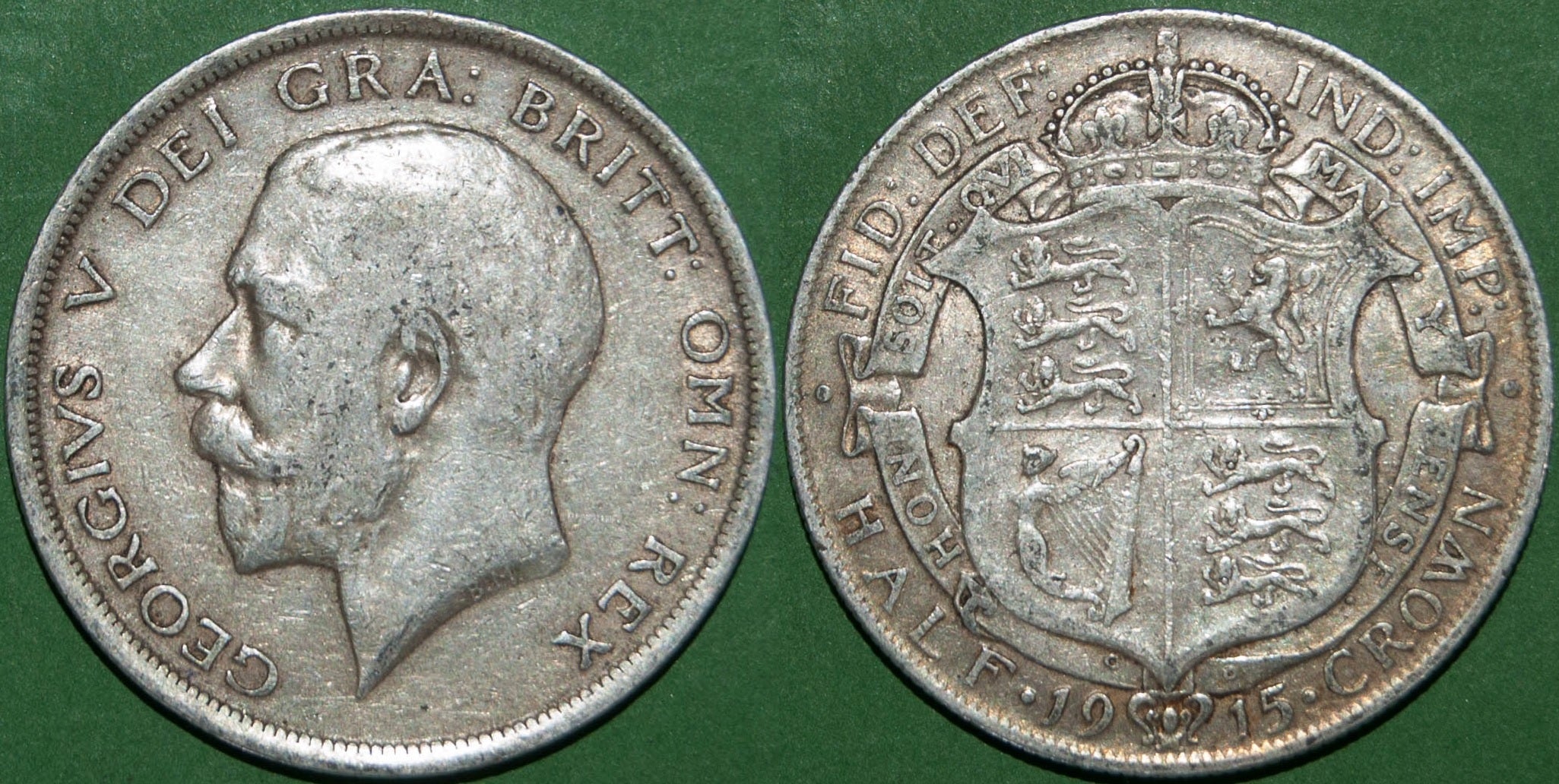
1915 Halfcrown
£39.00
S4011, Davies 1665, ESC 3714 (762). George V 1915 first coinage halfcrown. Toned with some wear to both sides. Grade: VF

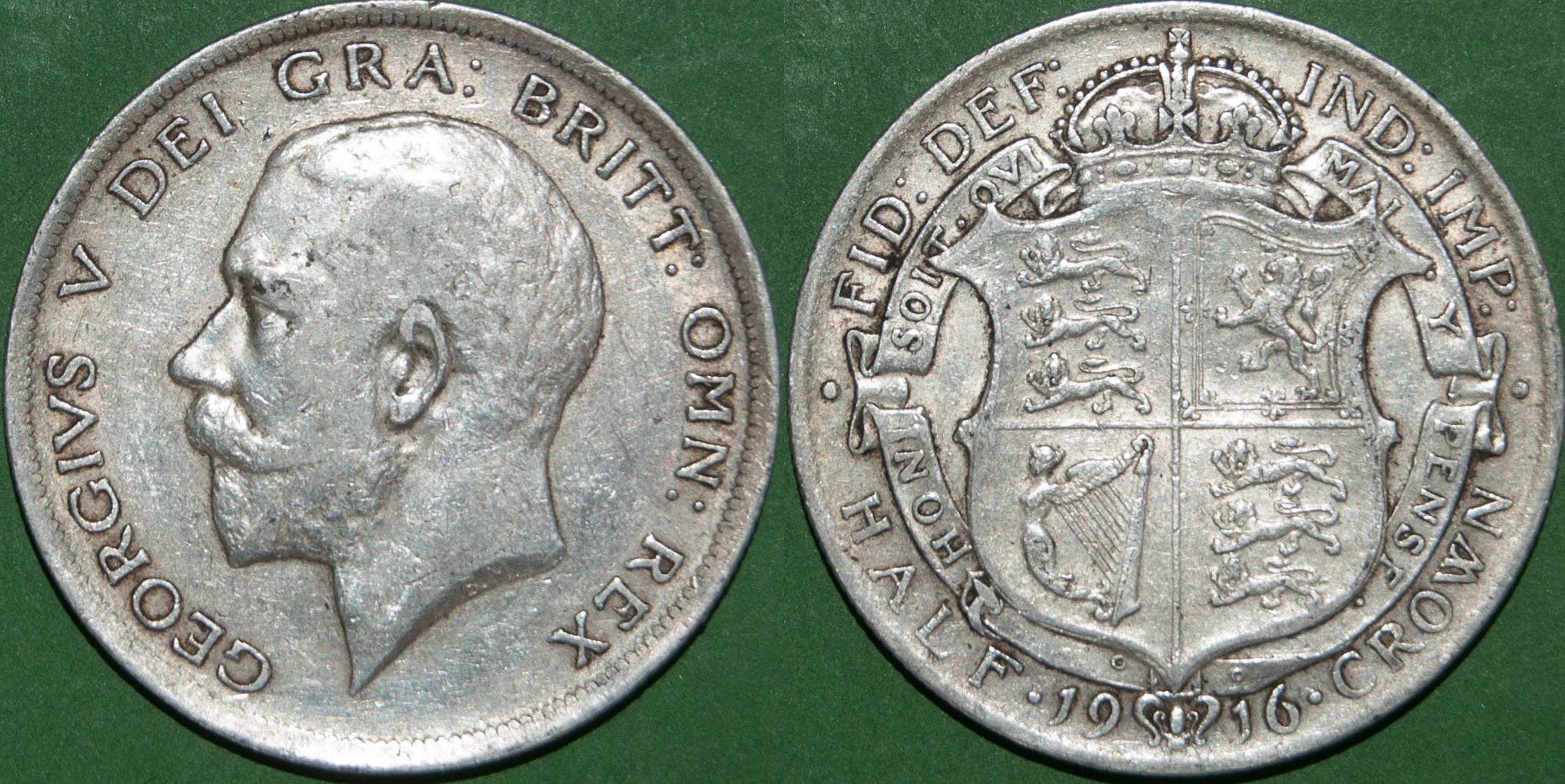
1916 Halfcrown
£45.00
S4011, Davies 1666, ESC 3715 (763). George V 1916 first coinage half crown. Light wear. Grade: gVF

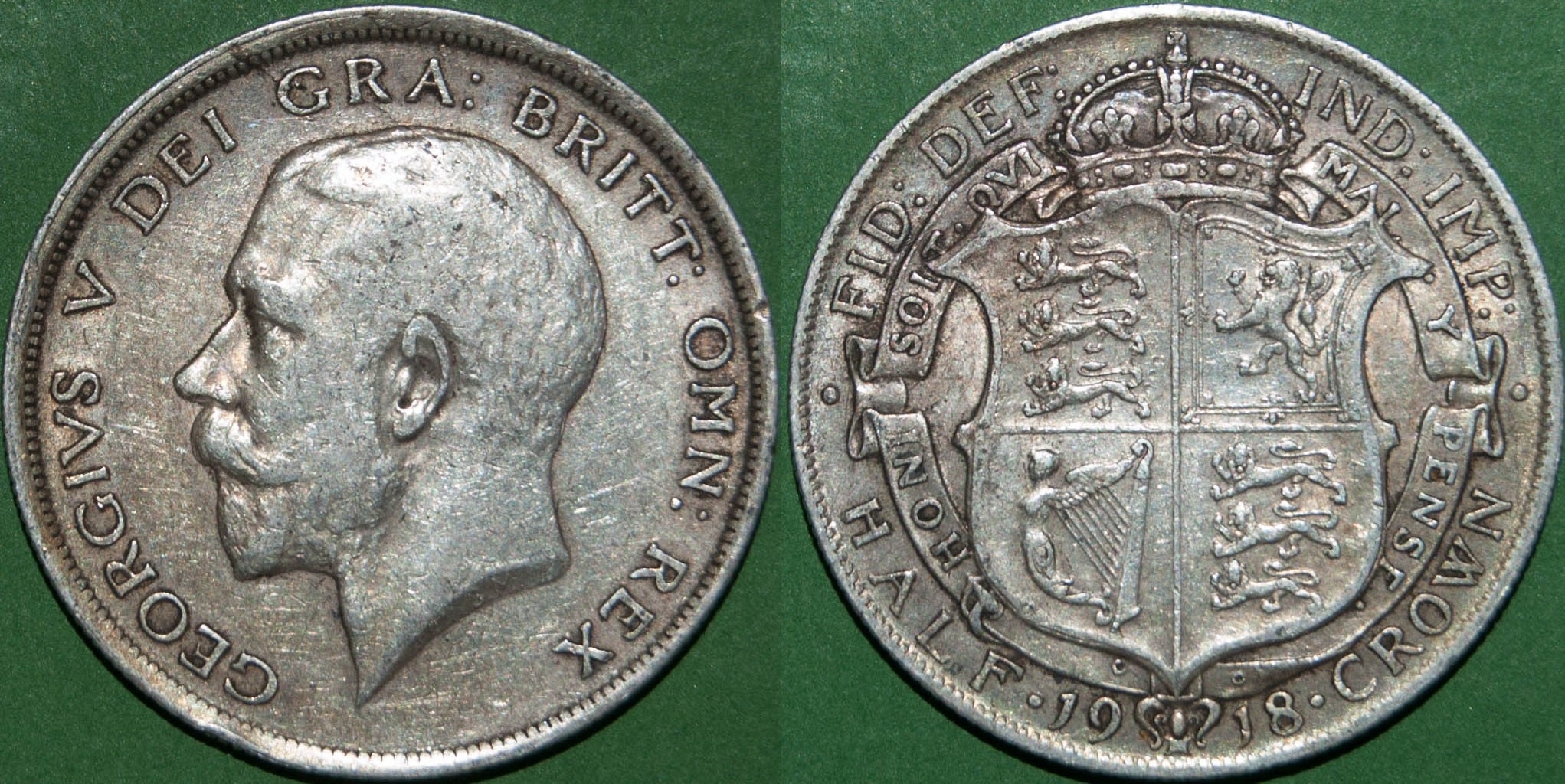
1918 Halfcrown
£45.00
S4011, Davies 1668, ESC 3717 (765). George V 1918 first coinage halfcrown. Toned with light wear. Grade: gVF


1931 Halfcrown
Sold Out
S4037, Davies 1707, ESC 3741 (780). George V 1931 fourth coinage halfcrown, struck in 0.500 silver. A bag mark to the neck, but barely a trace of rub to a...


1935 Halfcrown
£75.00
S4037, Davies 1712, ESC 3749 (784). George V 1935 4th issue halfcrown, struck in .500 silver. A small toning arc on the reverse, otherwise as struck. Grade: Unc

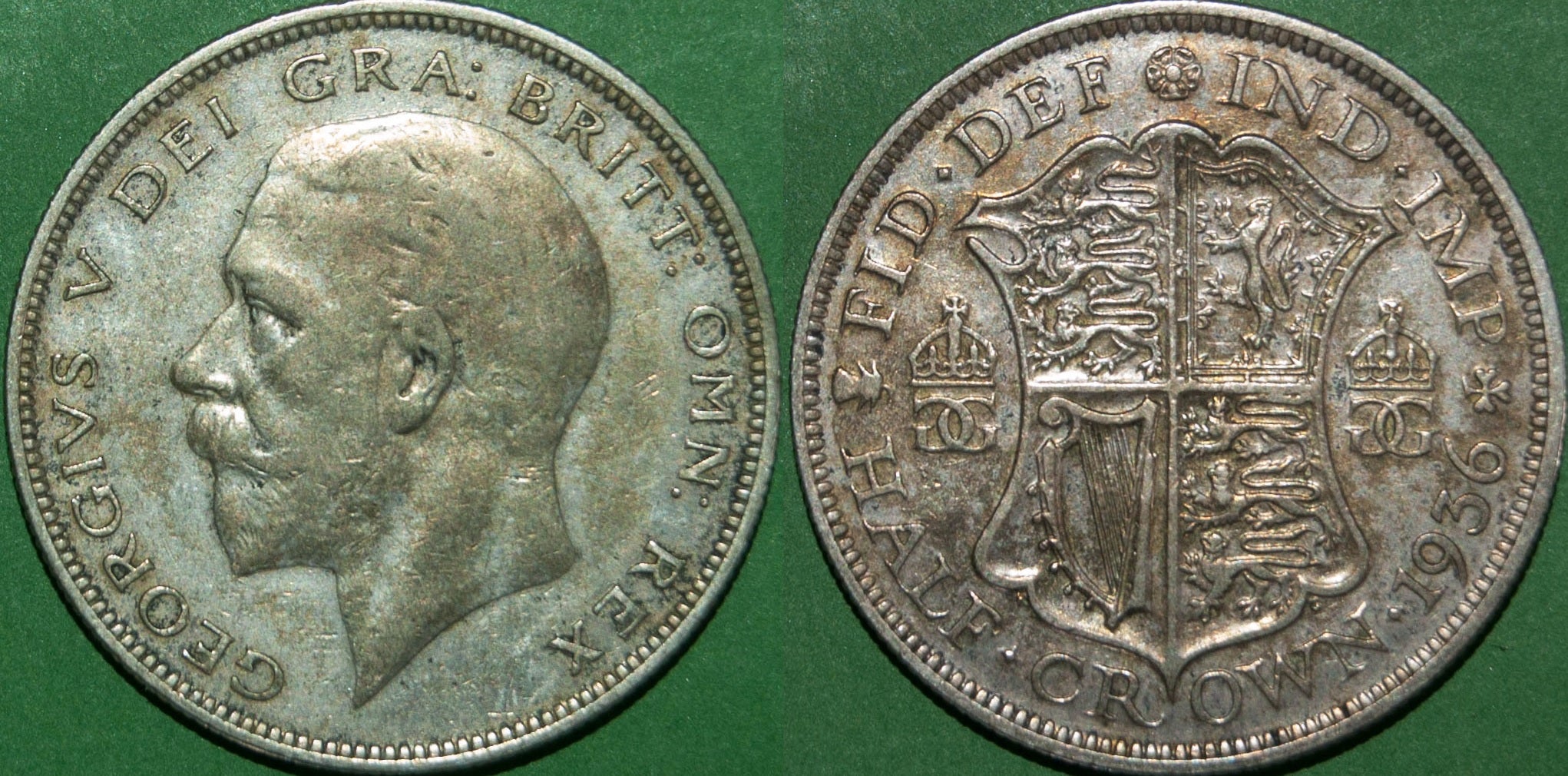
1936 Halfcrown
£18.00
S4037, Davies 1713, ESC 3751 (785). George V 1936 halfcrown. Blotchy toning with moderate wear. Grade: gVF


1948 Halfcrown
£8.00
SCBC 4101, Davies 2042, ESC 4063 (798). George VI 1948 second issue half crown struck in cupro-nickel. Light wear to both sides. Grade: nEF


1953 Great Britain Coin Set in Perspex Case
£25.00
An example of each of the 10 types of currency coins issued during Coronation year (1953). All practically as struck, the farthing with a small toning spot in the obverse...

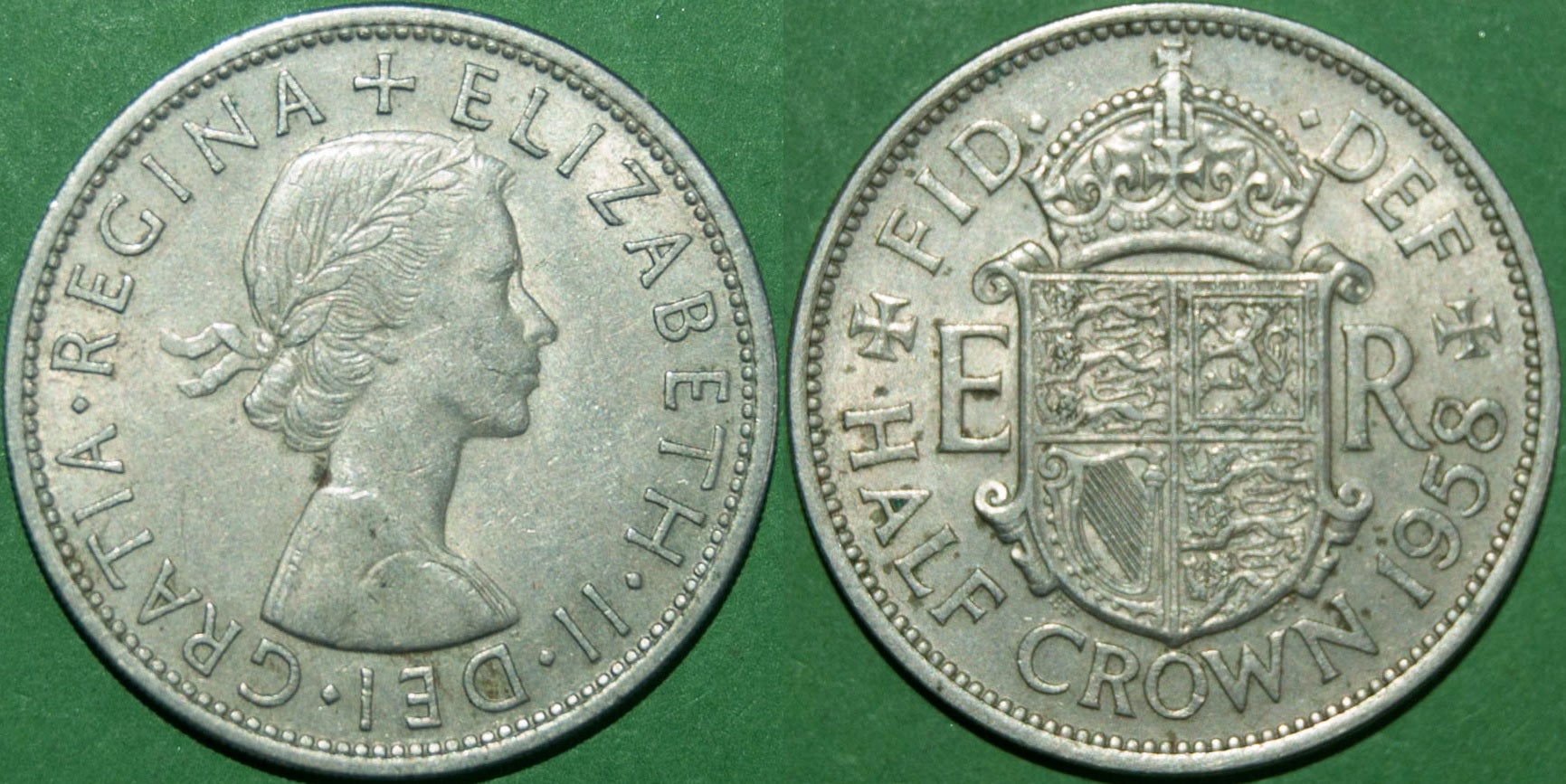
1958 Halfcrown
£6.00
S4145, Davies 2324, ESC 4366 (798M). Elizabeth II 1958 second issue halfcrown. Light wear with a few tiny spots. Grade: EF/nEF

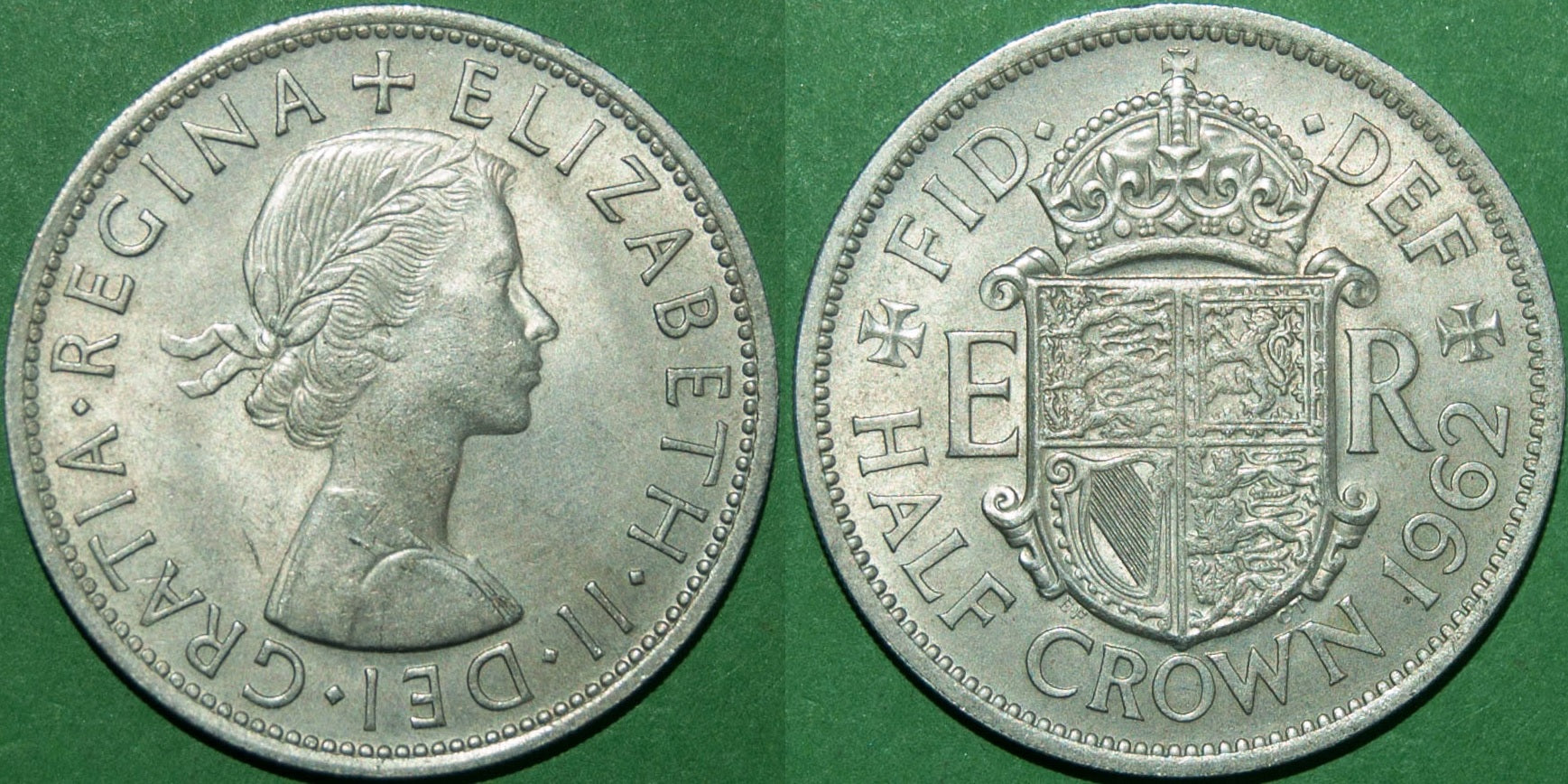
1962 Halfcrown
£3.00
S4145, Davies 2329, ESC 4379 (798S). Elizabeth II 1962 halfcrown with Davies dies 1+B Minimal wear. Grade: gEF


Baldwin's Sale 129, 29th May 2026, Abby Welsh Collection
£6.00
Baldwin's sale of the Abby Welsh Collection of Crowns and Halfcrowns, held in London on 29/5/2026. Containing mostly choice high grade pieces of desirable issues, and with provenances where known....

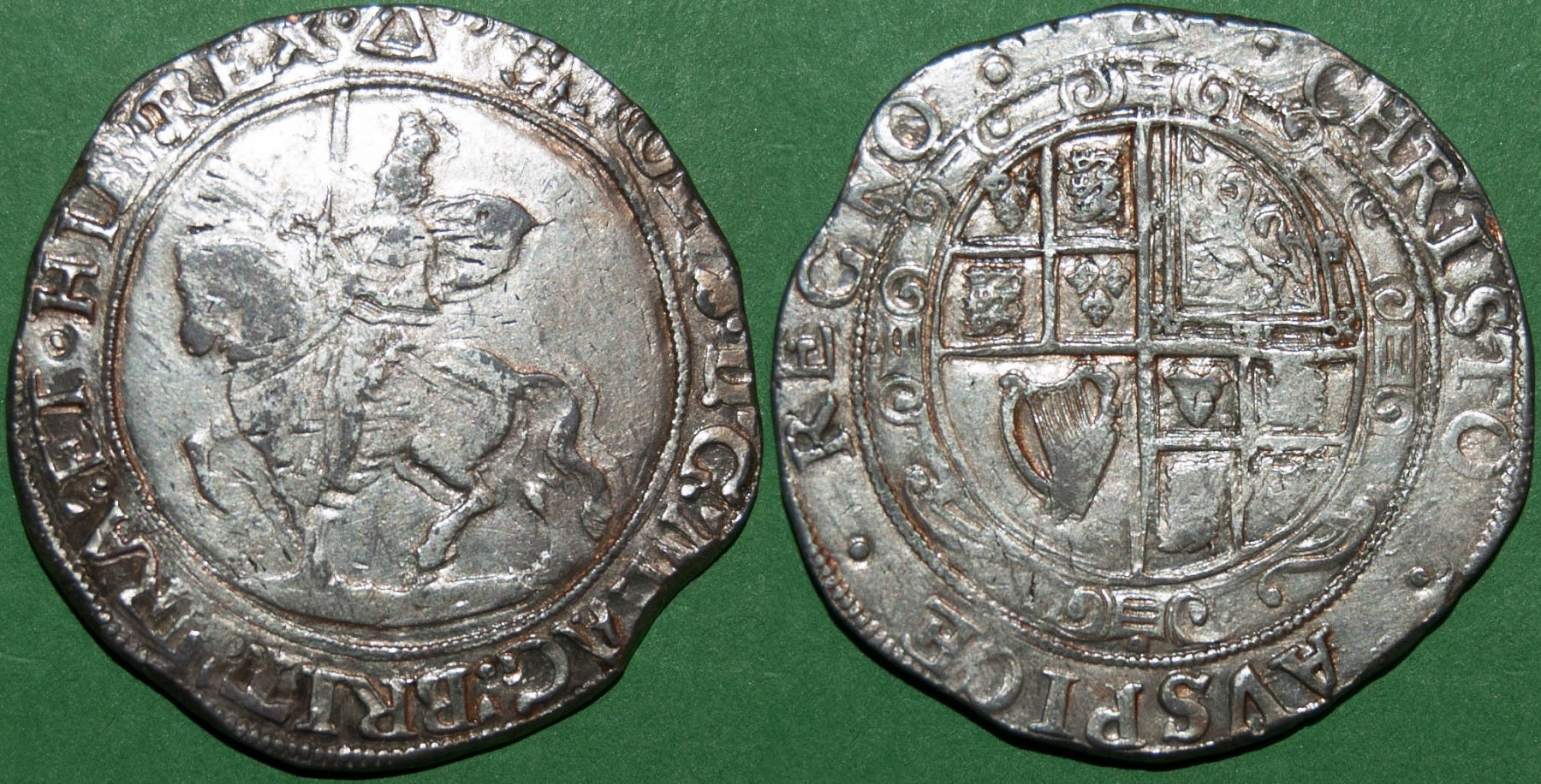
Charles I Halfcrown, mm. Triangle
Sold Out
S2776, N2211. Charles I type 3a2 Tower halfcrown with mm. Triangle. Weight 15.09g. A little bright, but strong detail and full weight. Grade: VF

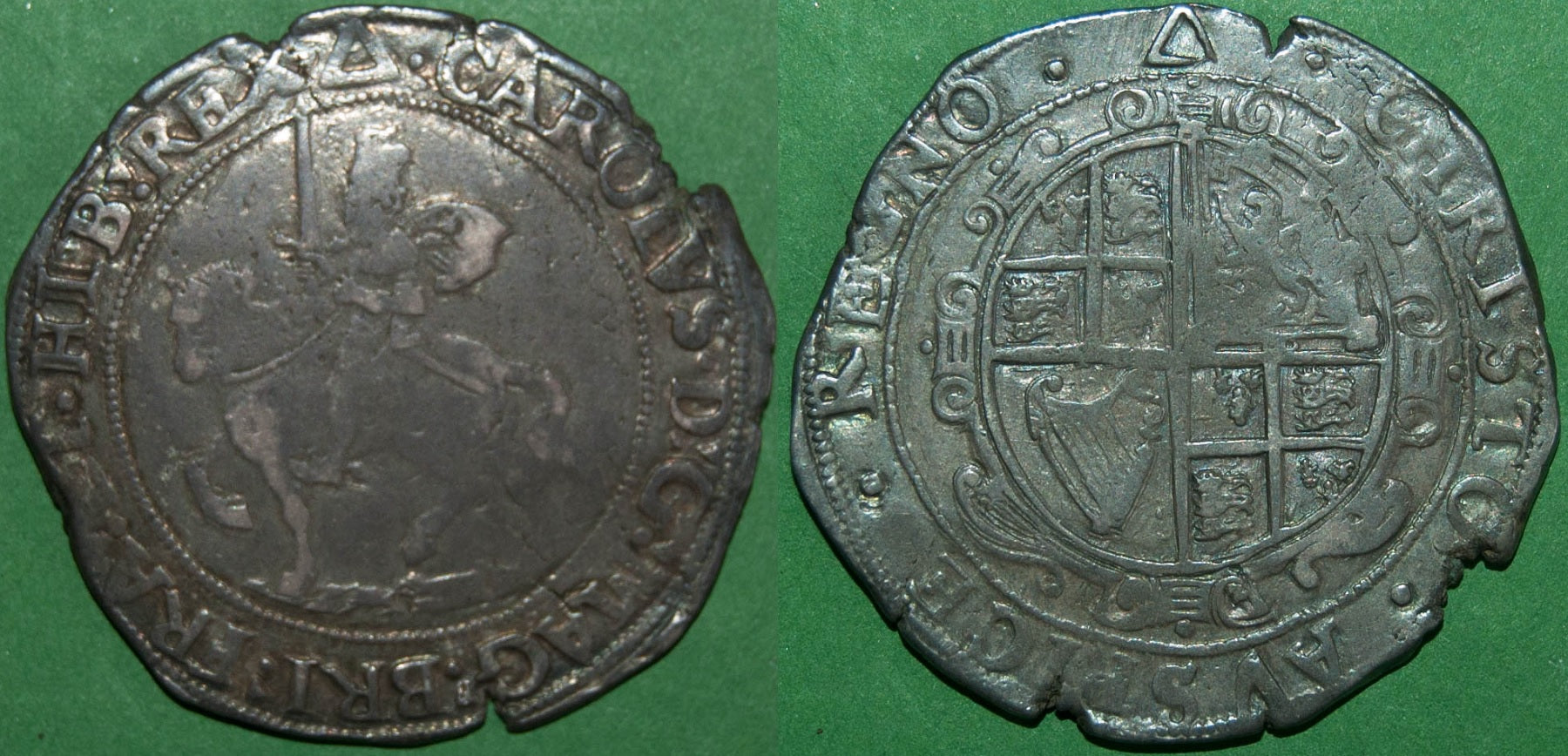
Charles I type 3a2 Halfcrown, mm. Triangle
£442.50
S2775, N2211. Charles I type 3a2 Tower Mint halfcrown with mm. Triangle, the obverse over anchor. Weight 14.73g. Struck on a full, slightly irregular flan, with an old cabinet tone.


Coinage Of Great Britain, Plastic Cased
£15.00
A type set of Elizabeth II British coins from Farthing to Crown. Various years from 1954 to 1967 All virtually as struck and problem free. Grade: Unc
© 2026 RP Coins.