Terms & Conditions
- All items sold by RP Coins are supplied on approval and may be returned for any reason within seven days of receipt. Customers returning goods are responsible for arranging insurance against loss or damage. Third party sales items are sold on approval where indicated. Please see the introduction to that section for further details.
- Clients of known good standing to us will have their goods shipped upon receipt of order or as soon as is practicable afterwards, payment being due upon their receipt of invoice. All other clients’ orders will be held pending payment and shipped on receipt of cleared funds. All goods remain the property of RP Coins until paid for in full.
- Payment should be made in GBP by the following means - cheque drawn on a UK bank made payable to RP Coins. Please do NOT make them payable to R Pearce. Payment may also be made by postal order, banker’s draft or transfer to our bank account at Bank of Scotland, sort code 80-22-60, account no. 29068662. Cheques or money orders drawn on foreign bank accounts in local currency are expensive to process and may take up to a month to clear. If this is the only option available to you, please add £15 to the invoice total to cover the additional charges. Payment can be made using debit or credit cards as indicated.
- Postage will be charged on all orders.
- For UK coin orders up to £50 value the cost is £5.00. Orders over this up to £750 will be despatched by Royal Mail Special Delivery (insured) at a cost of £12 per order. Over £750 is £20 per order. Books and other heavy items will be charged according to the prevailing postage cost for that weight.
- Export sales are supplied net of any UK VAT (where applicable). Import duties or taxes payable in the destination country are the responsibility of the customer.
- All items sold are guaranteed genuine unless indicated otherwise.
Saxe-Coburg (1902-1910)

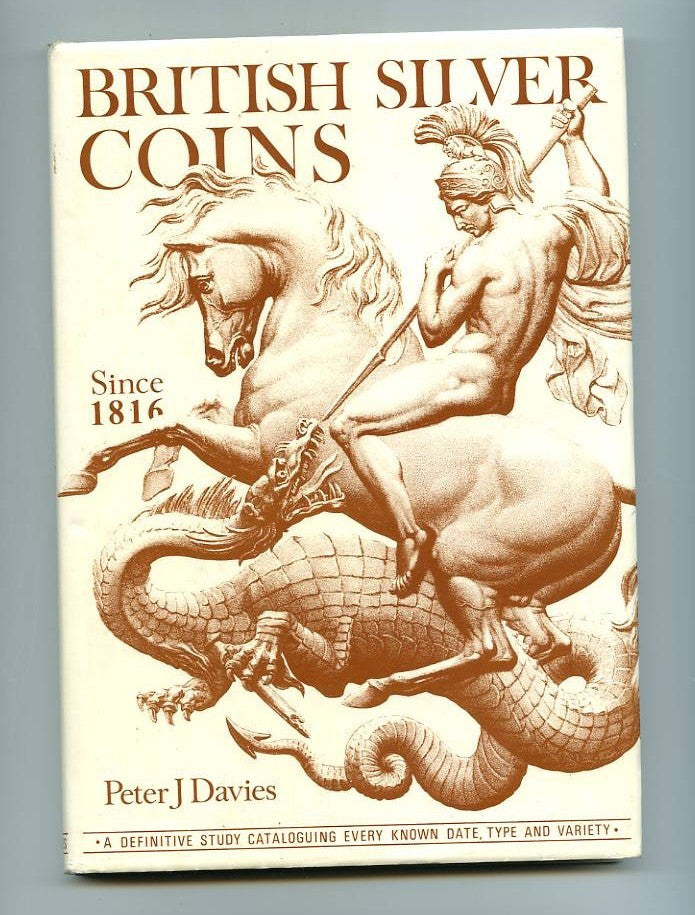
BRITISH SILVER COINS Since 1816 by Peter J Davies
£33.00
British Silver Coins since 1816 by P J Davies (1982). 128pp. Hardback. A detailed reference for the period covered as it includes letter sizes and pointings and as such gives...

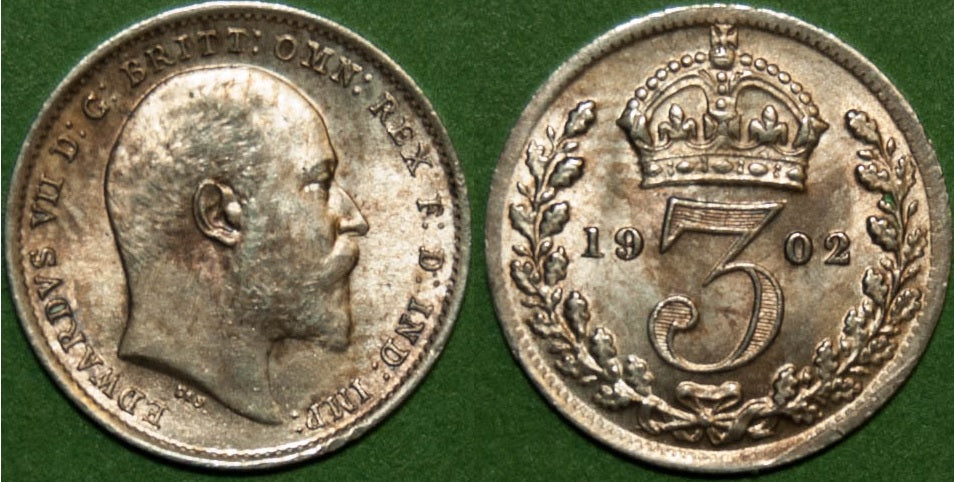
1902 Threepence
Sold Out
S3984, Davies 1590, ESC 3617 (2114). Edward VII 1902 threepence. Lightly toning with a hint of friction. Grade: gEF

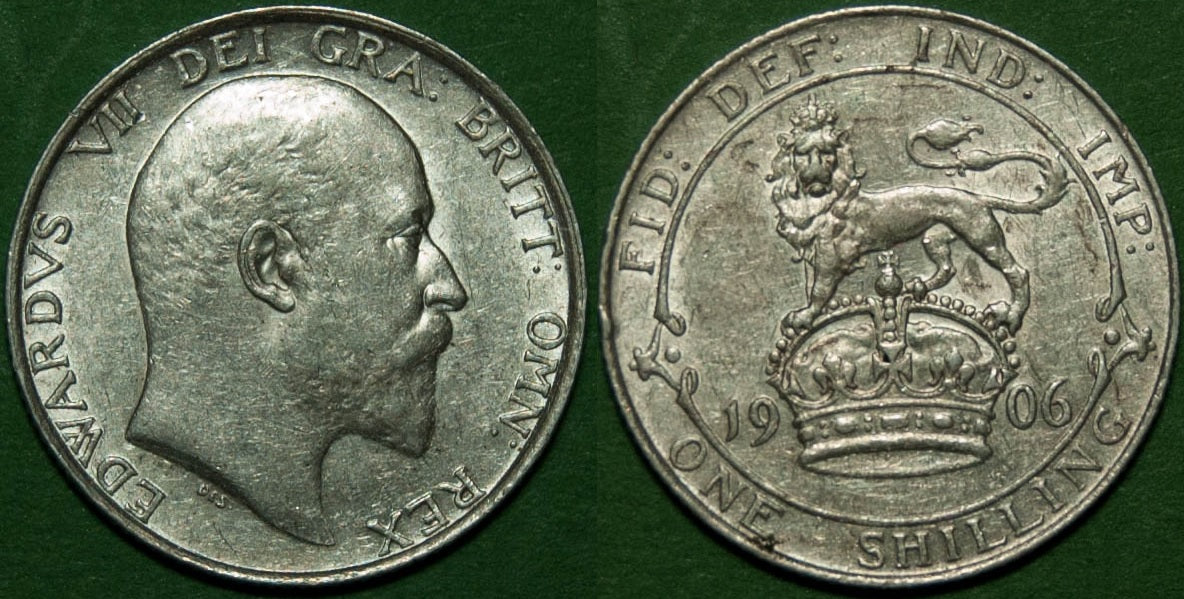
1906 Shilling
£80.00
S3982, Davies 1557, ESC 3592 (1415). Edward VII 1906 shilling with obverse 2. Light wear and a tiny rim mark at 9 o'clock on the reverse. Grade: aEF

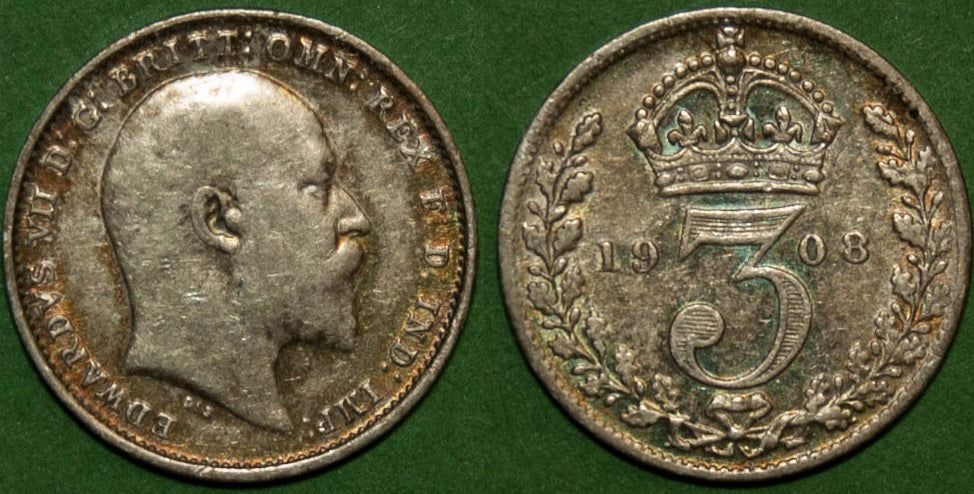
1908 Threepence
£12.00
S3984, Davies 1601, ESC 3624 (2121). Edward VII 1908 silver threepence. Attractively toned with moderate wear. Grade: gVF

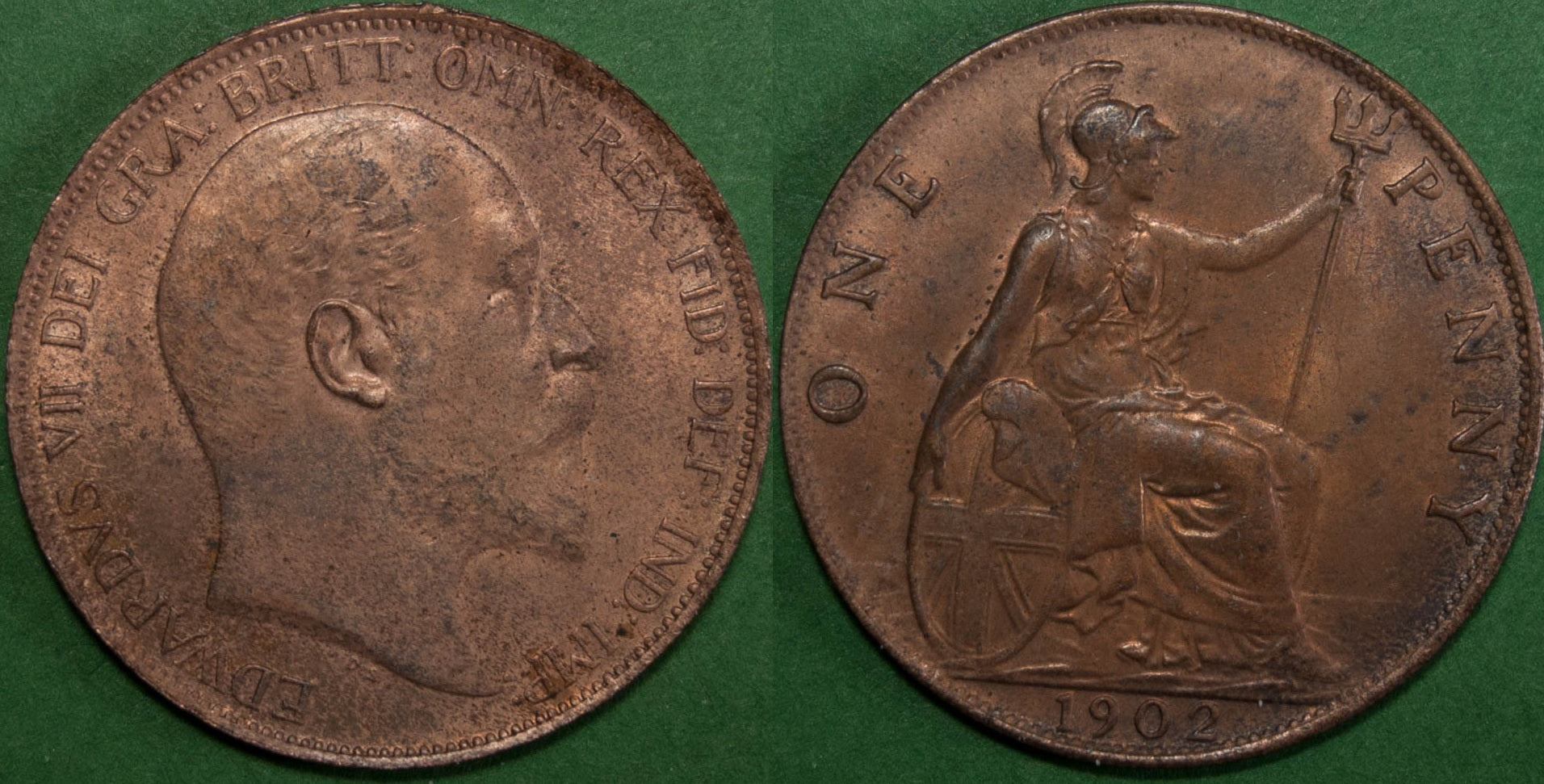
1902 Penny
£25.00
S3990, F157. Edward VII 1902 normal tide penny. Very light wear. Grade: gEF

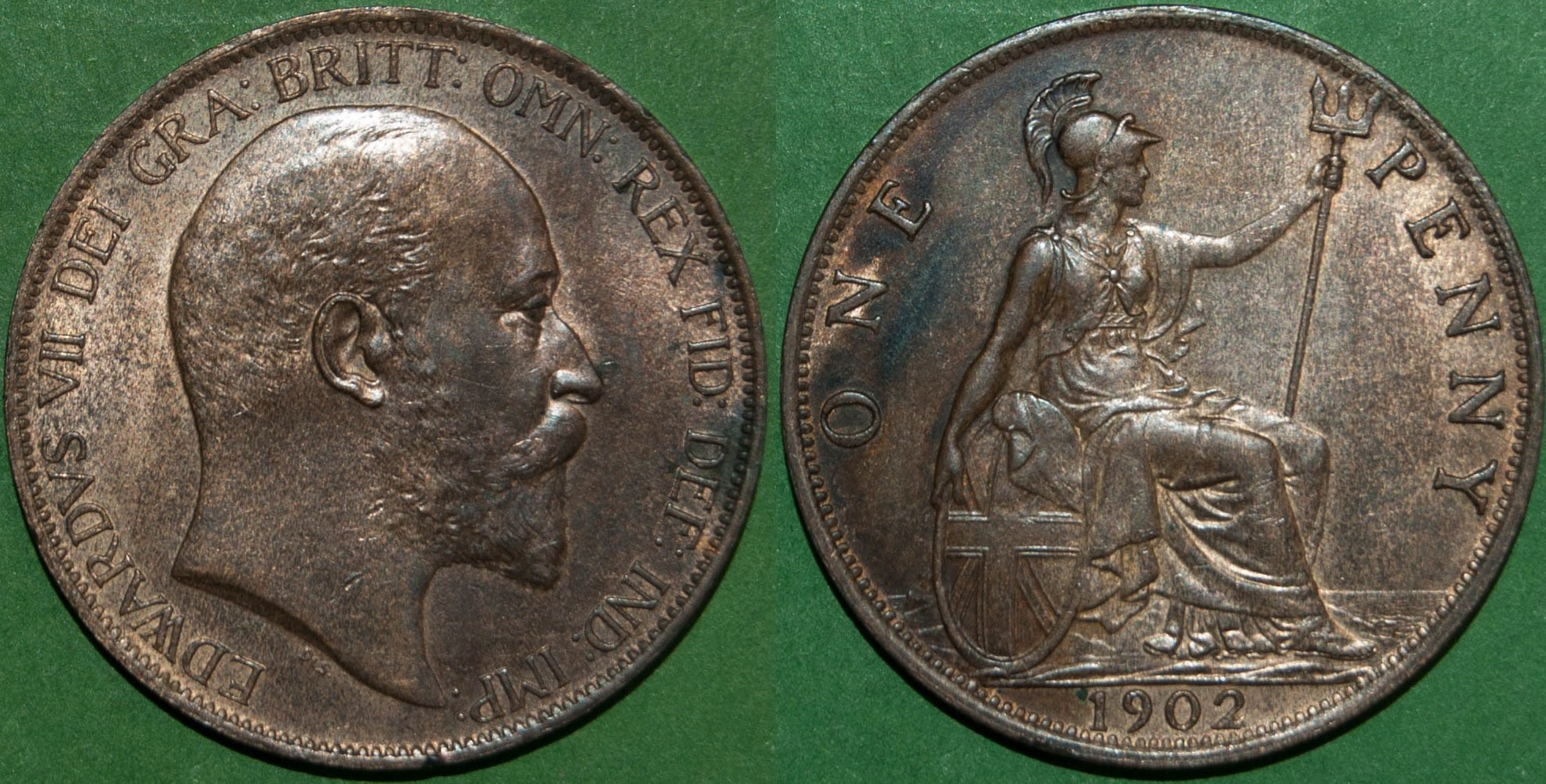
1902 Penny, Low Tide, Filled 2
£150.00
S3990A, Freeman 156, Gouby BP 1902A. Edward VII 1902 low tide penny with the internal angle of the 2 partially filled due to a chip on the die. Residual lustre...

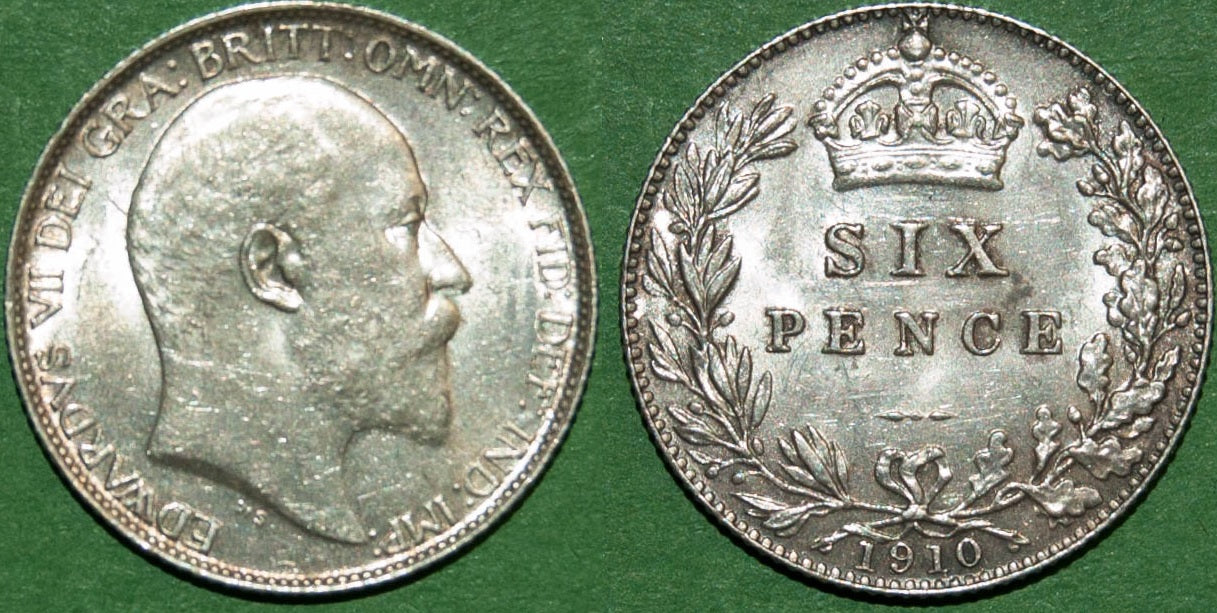
1910 Sixpence
£90.00
S3983, Davies 1578, ESC 3606 (1754). Edward VII 1910 sixpence, the last year of the reign. Minimal wear, the obverse lustrous. A few tiny marks to the neck. Grade: gEF

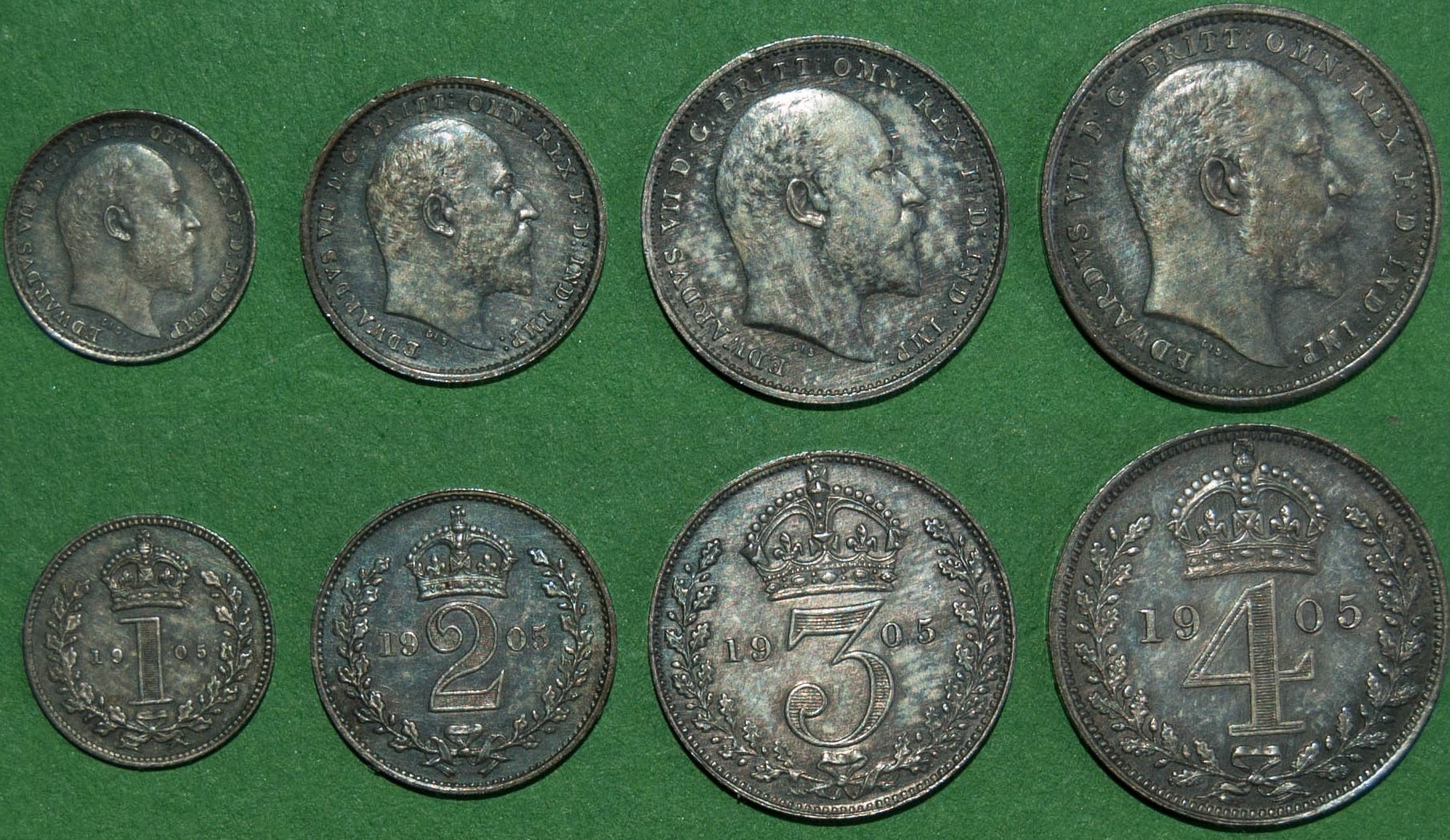
1905 Maundy Set
£270.00
S3985, Davies 1613, ESC 3621 (2118). Edward VII 1905 Maundy set. Scarce. Well matched toning. Grade: gEF

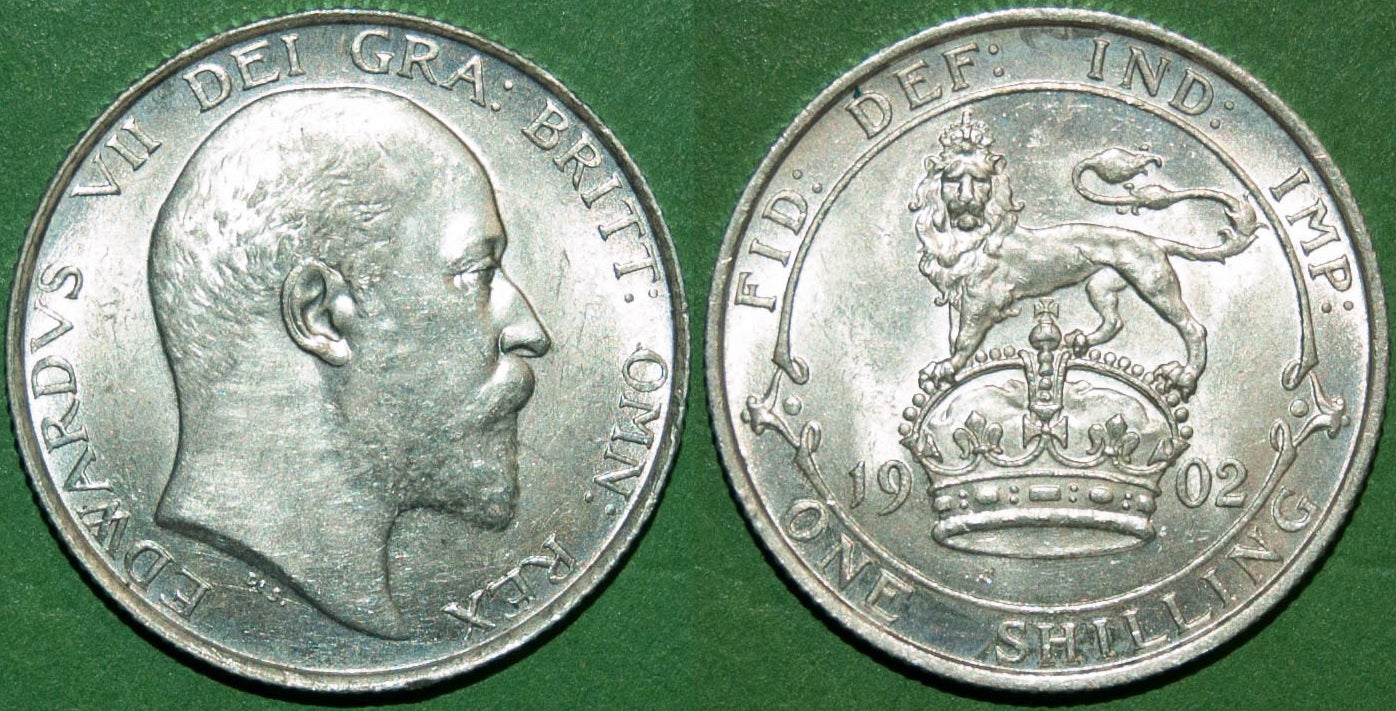
1902 Shilling
Sold Out
S3982, Davies 1550, ESC 3587 (1410). Edward VII 1902 shilling Practically as struck] Grade: Unc

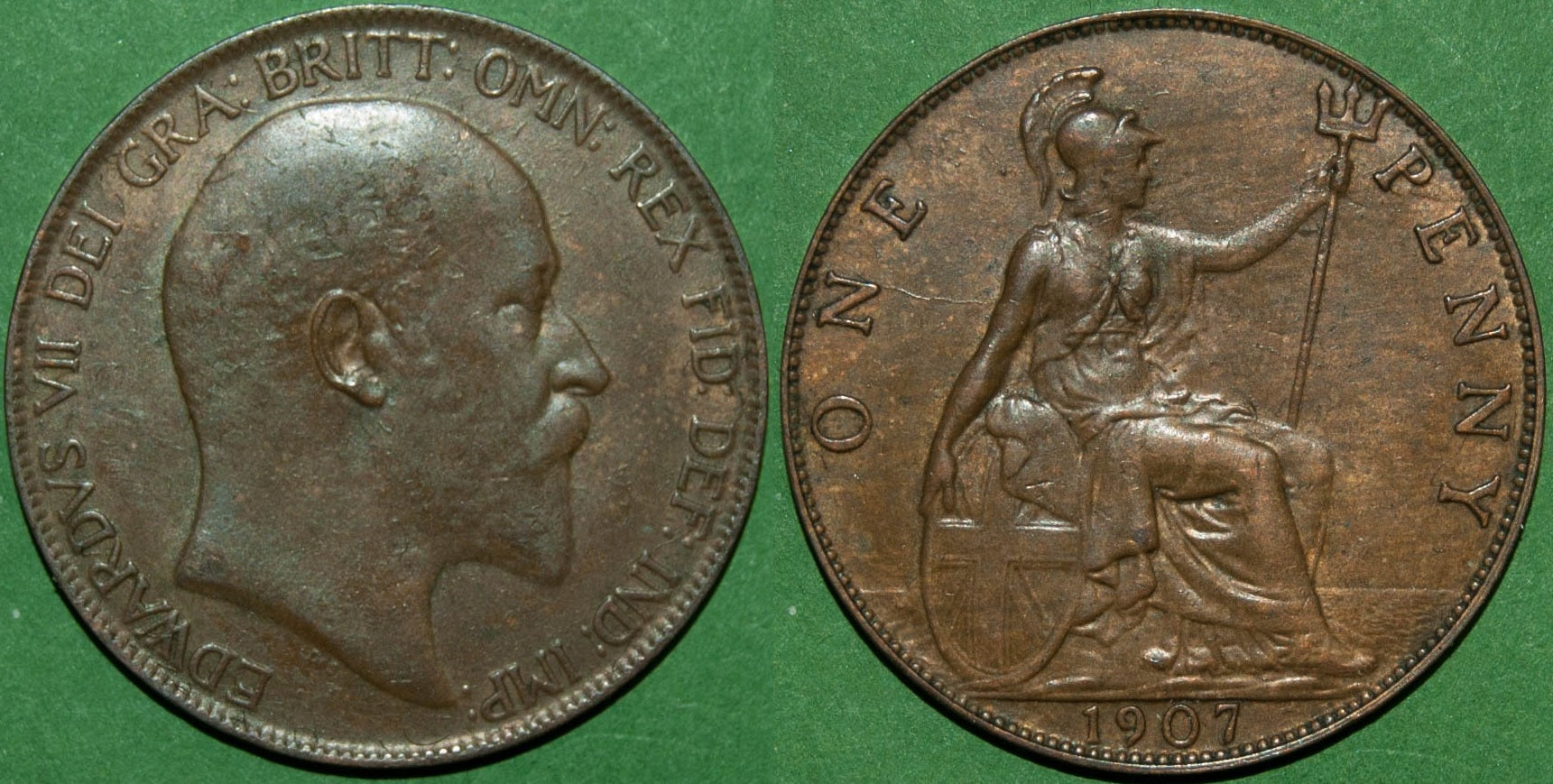
1907 Penny
£20.00
S3990, Freeman 163, Gouby BP 1907 Ab. Edward VII 1907 bronze penny with 10.5 teeth date width. Wear to the high points, the reverse struck from a worn and flawed...

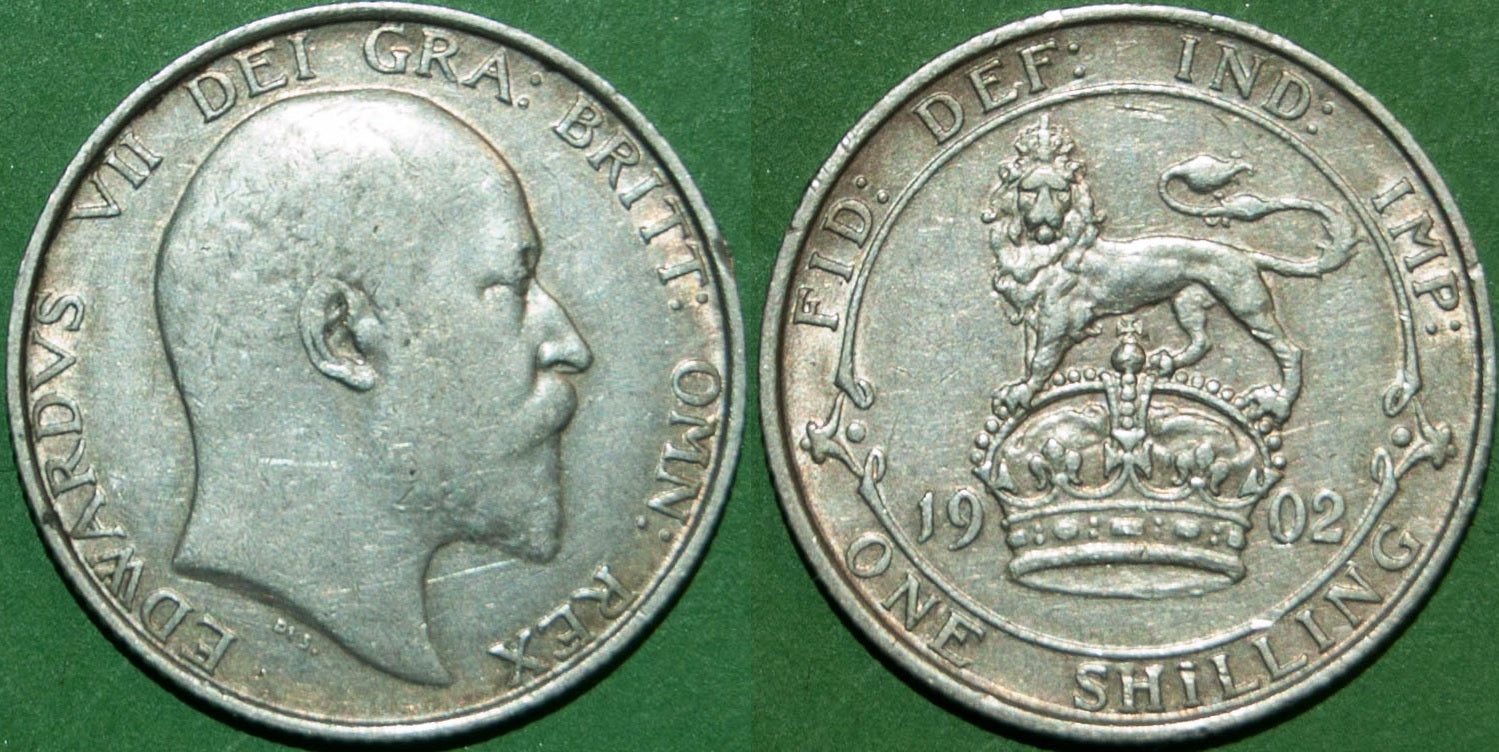
Edward VII 1902 Shilling
Sold Out
S3982, Davies 1550, ESC 3587 (1410). Edward VII 1902 shilling. Pleasing golden tone with moderate wear, the reverse better. Grade: VF+/gVF

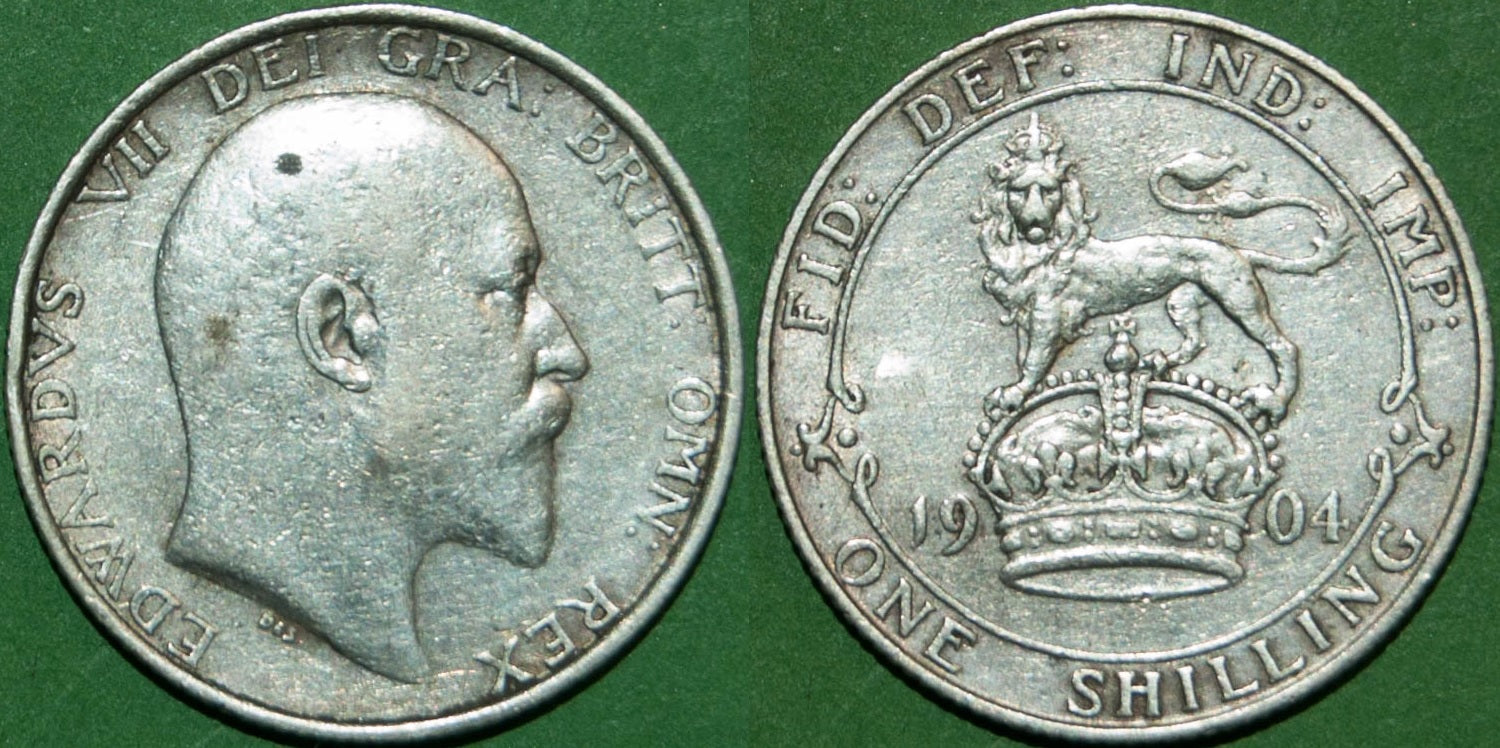
Edward VII 1904 Shilling
Sold Out
S3982, Davies 1553, ESC 3590 (1413). Edward VII 1904 shilling with Davies obverse 2 (short top arm to E). Scarce. Moderate wear to both sides, the obverse with numerous small...

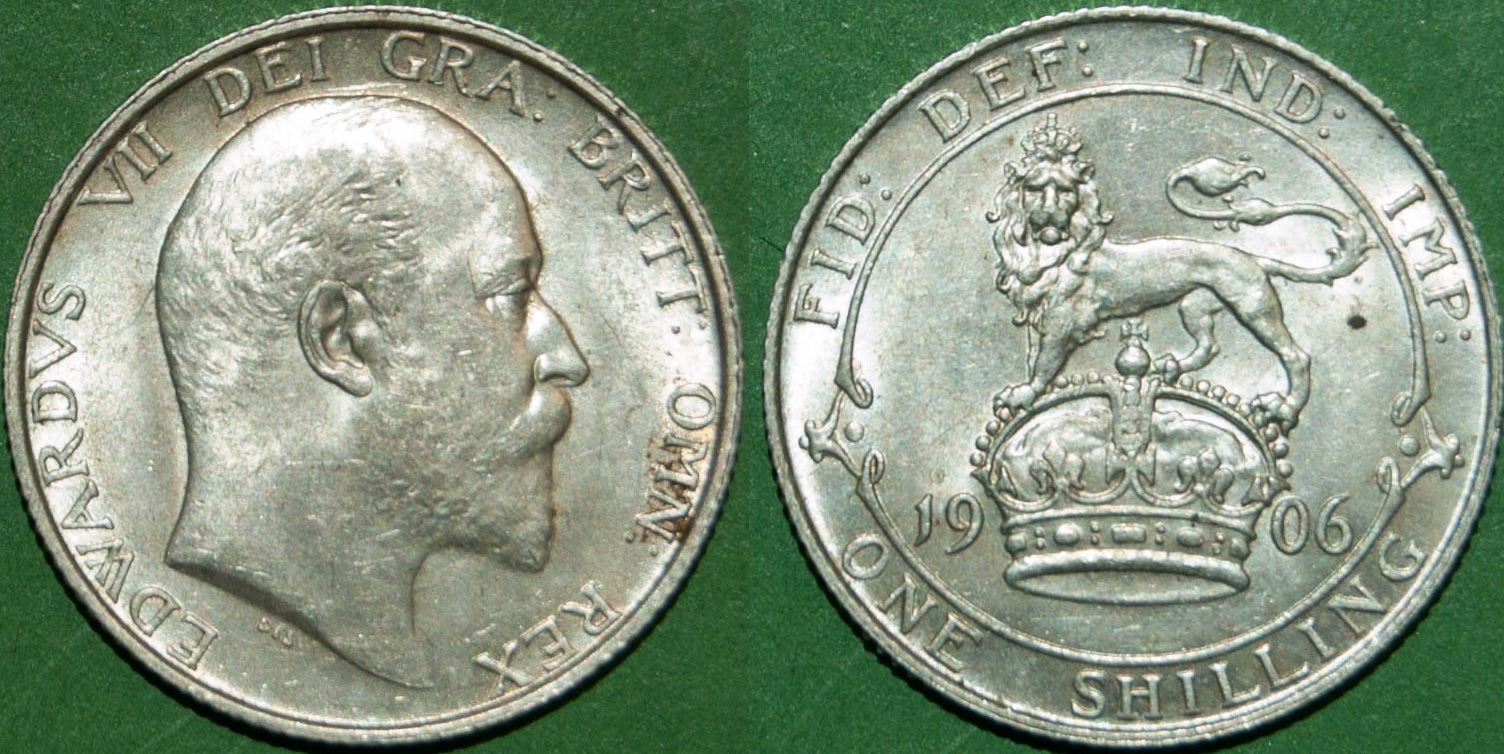
Edward VII 1906 Shilling
Sold Out
S3982, Davies 1557, ESC 3592 (1415). Edward VII 1906 shilling. Minimal wear and lightly toned. Grade: gEF

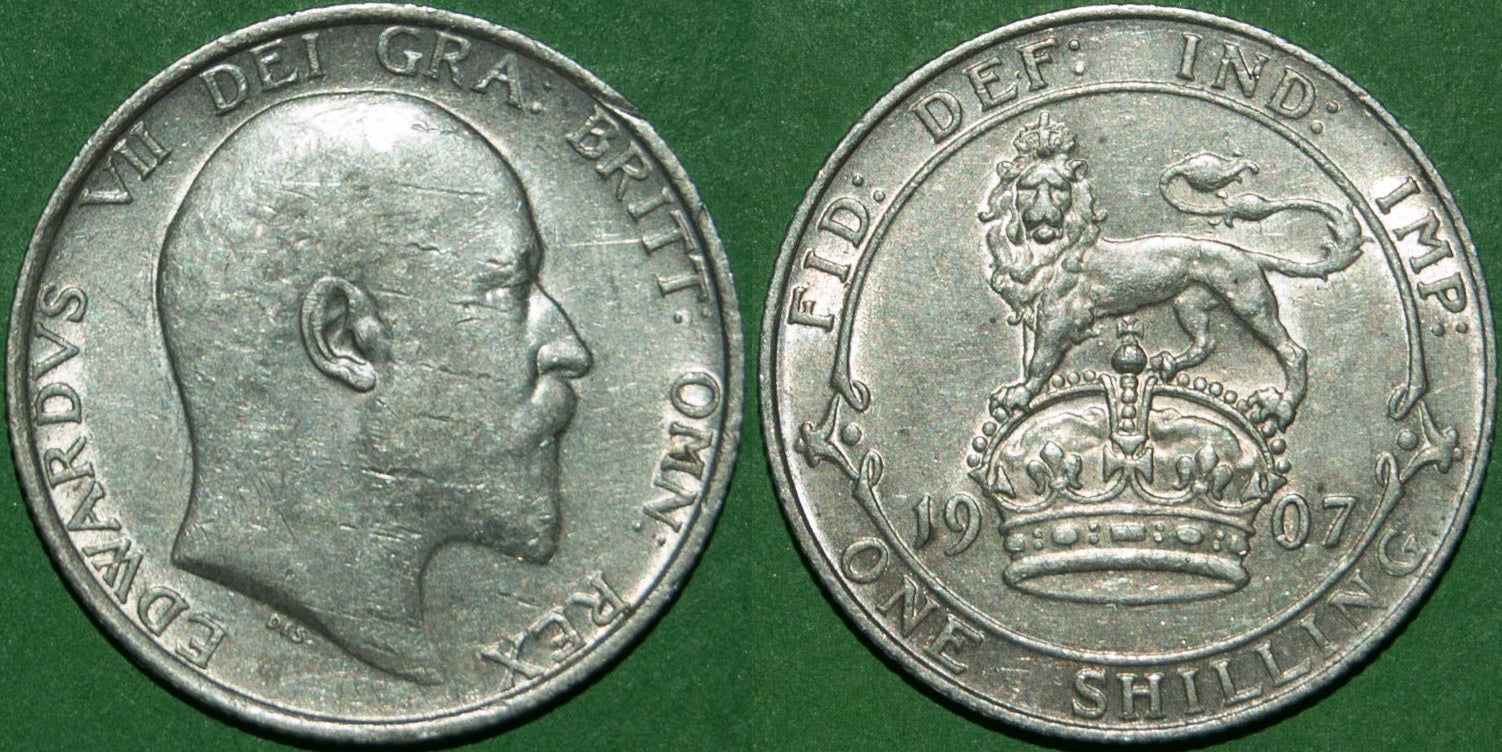
Edward VII 1907 Shilling
Sold Out
S3982, Davies 1558, ESC 3593 (1416). Edward VII 1907 shilling. A reasonable grade for wear, but with parallel marks to the portrait and rim. Grade: nEF/EF

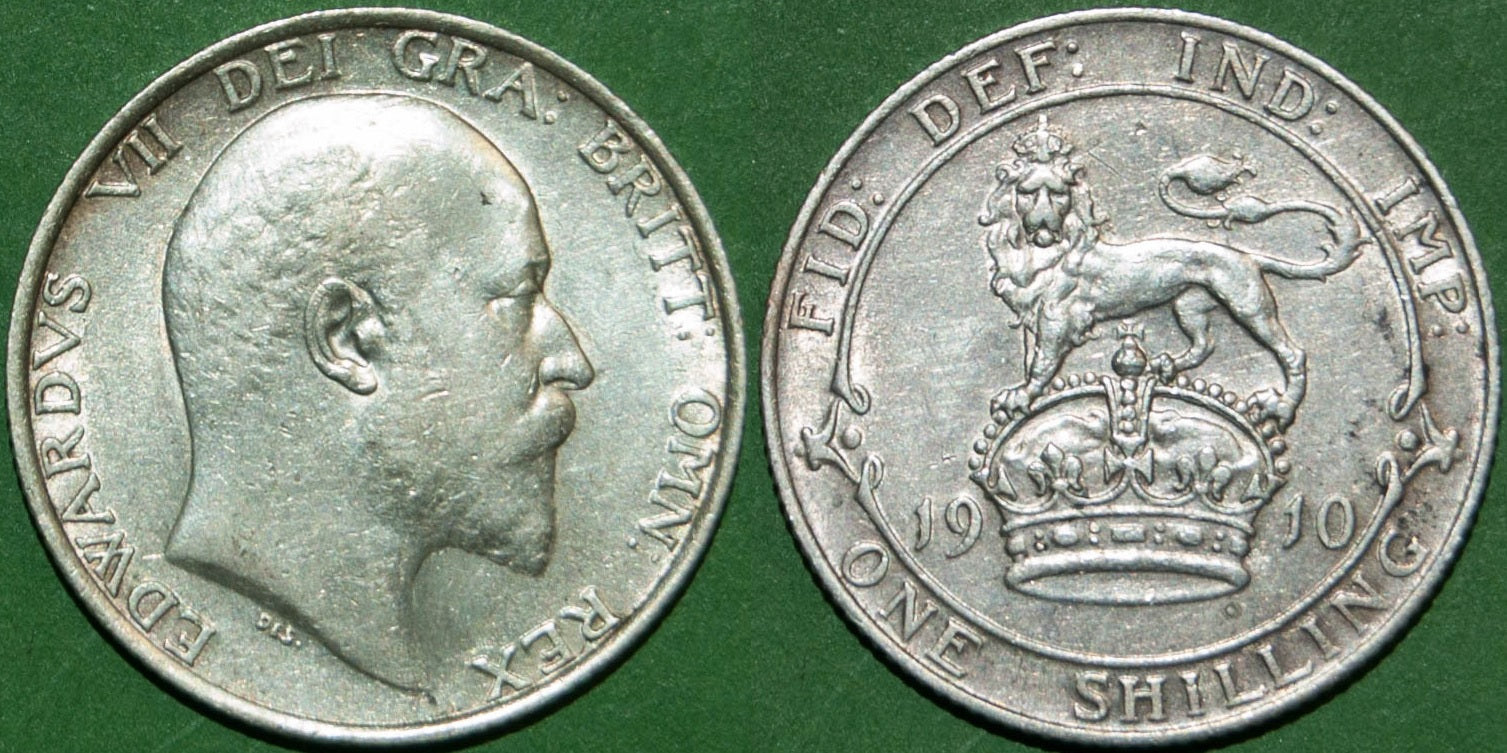
Edward VII 1910 Shilling
Sold Out
S3982, Davies 1561, ESC 3596 (1419). Edward VII 1910 shilling. Light wear with minor contact marks. Grade: nEF

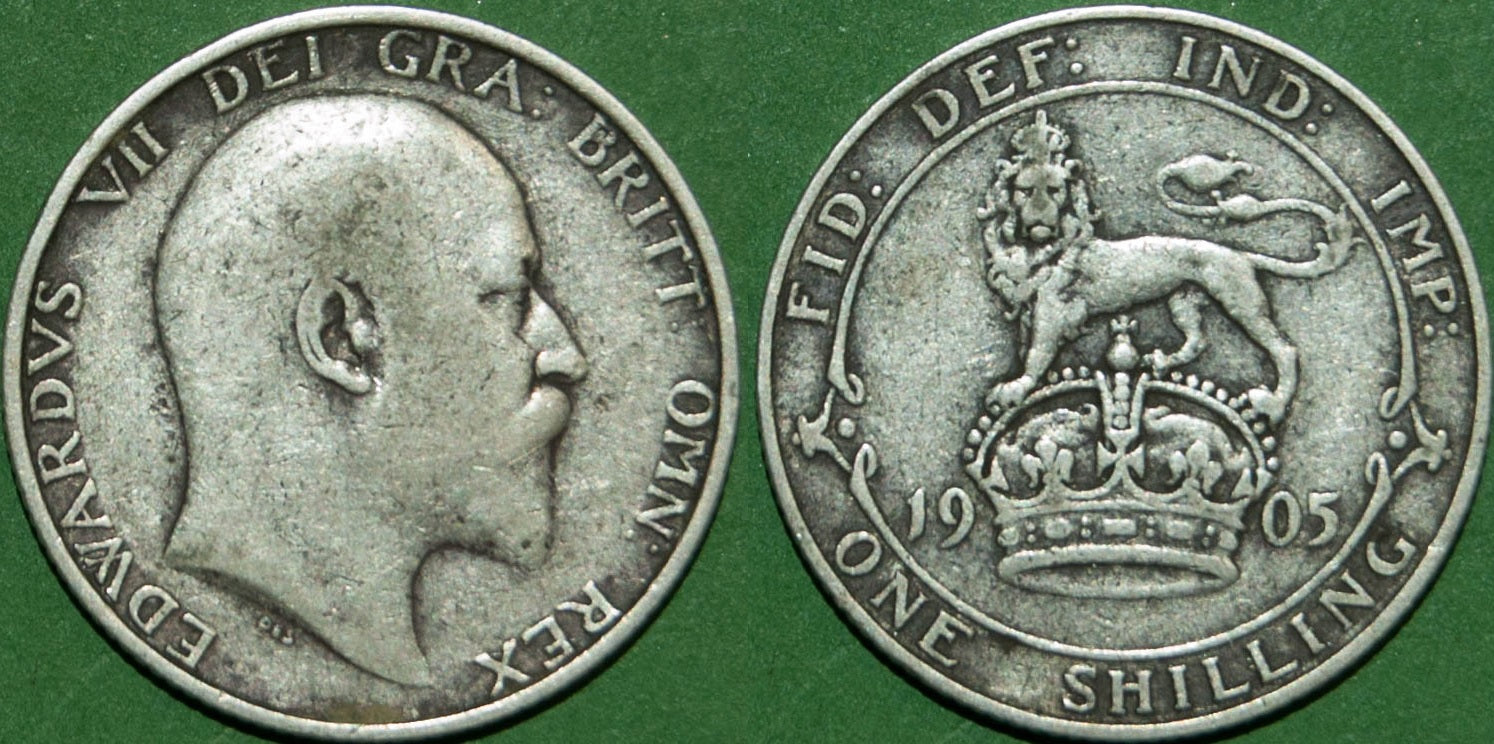
Edward VII 1905 Shilling
Sold Out
S3982, Davies 1555, ESC 3591 (1414). Edward VII 1905 shilling. The key date. Rare. General wear to both sides. Grade: Fine/gFine

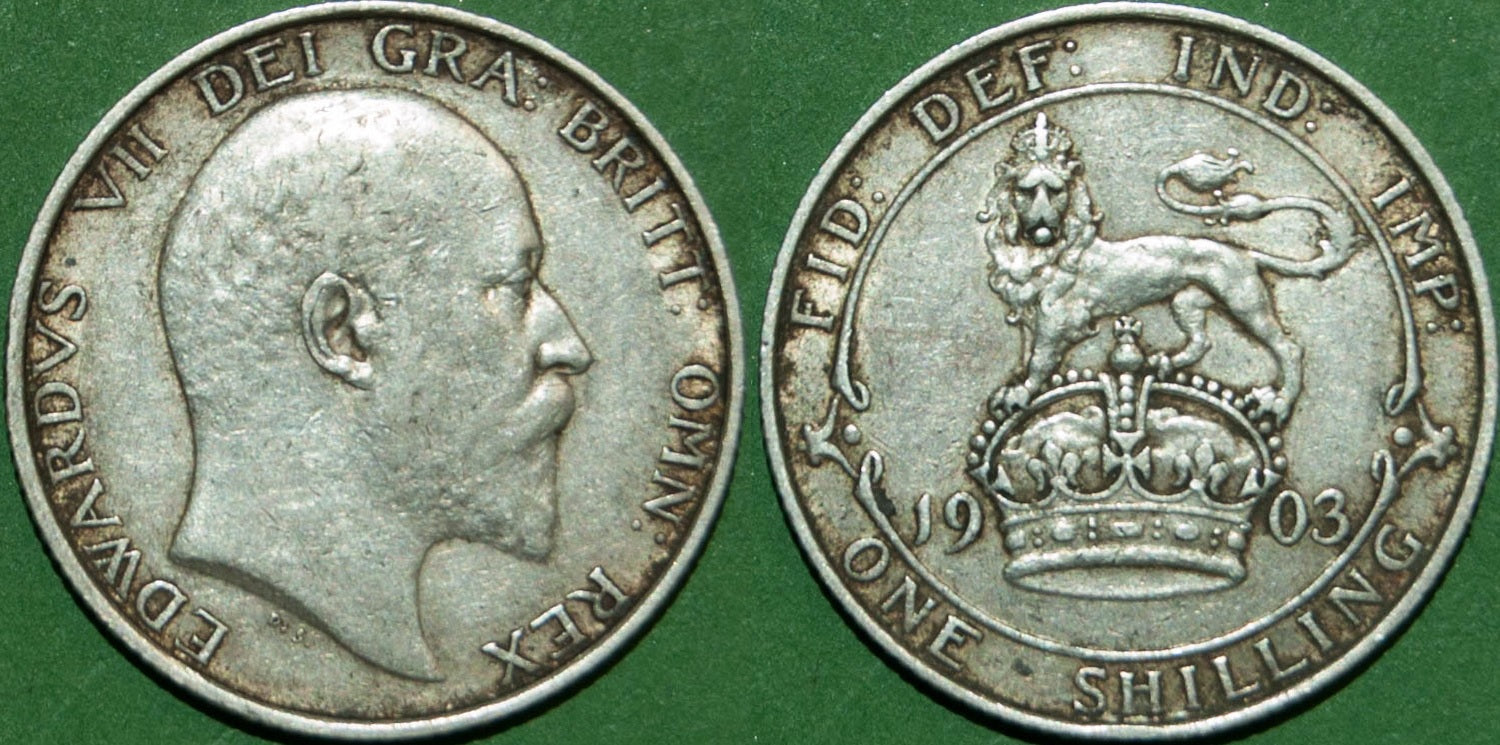
Edward VII 1903 Shilling
Sold Out
S3982, Davies 1551, ESC 3589 (1412). Edward VII 1903 shilling. Scarce. Light wear to both sides. Grade: gVF

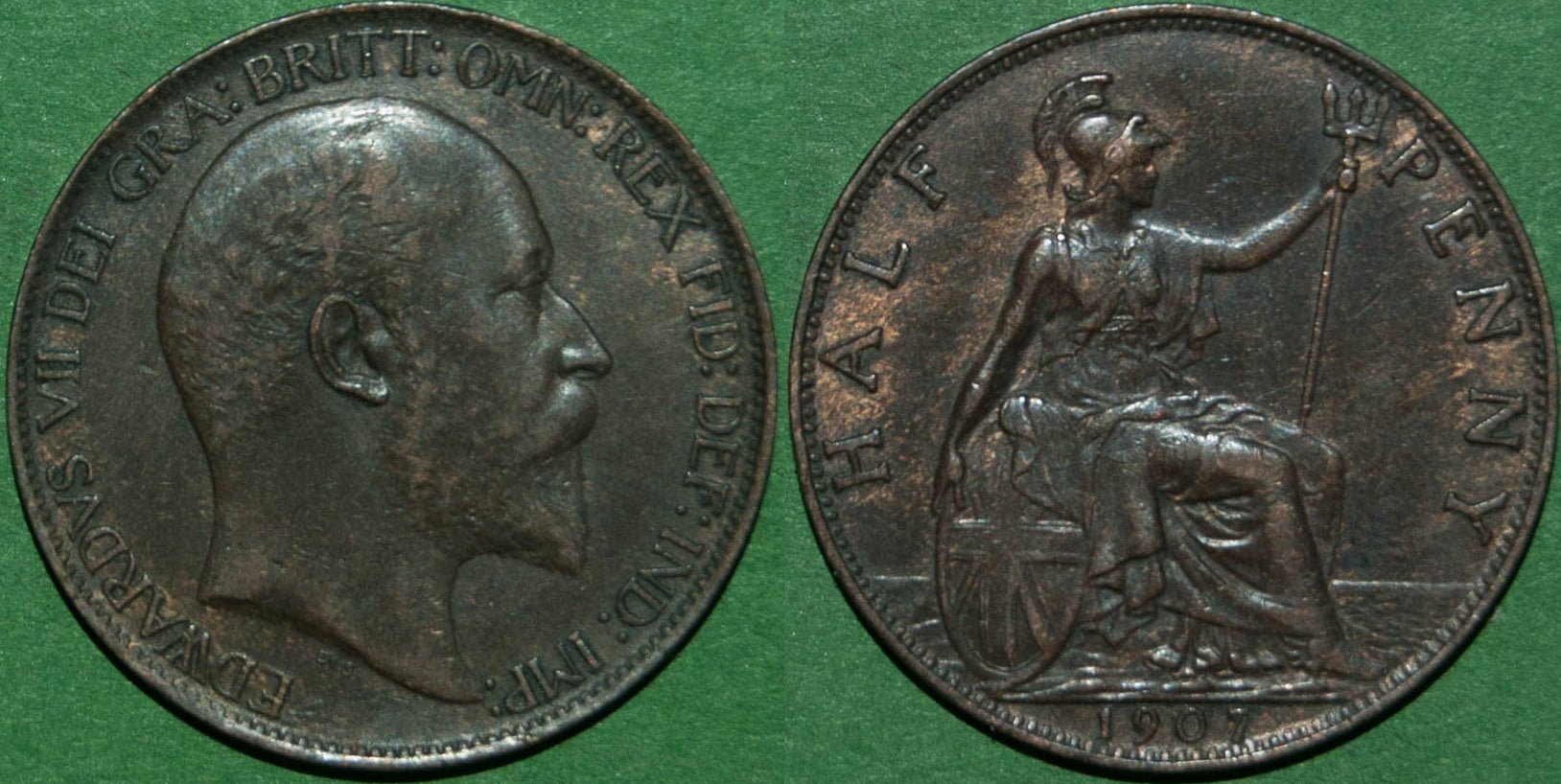
1907 Halfpenny
Sold Out
S3991, Freeman 386. Edward VII 1907 halfpenny. Toned with light wear to the higher points. Grade: gVF

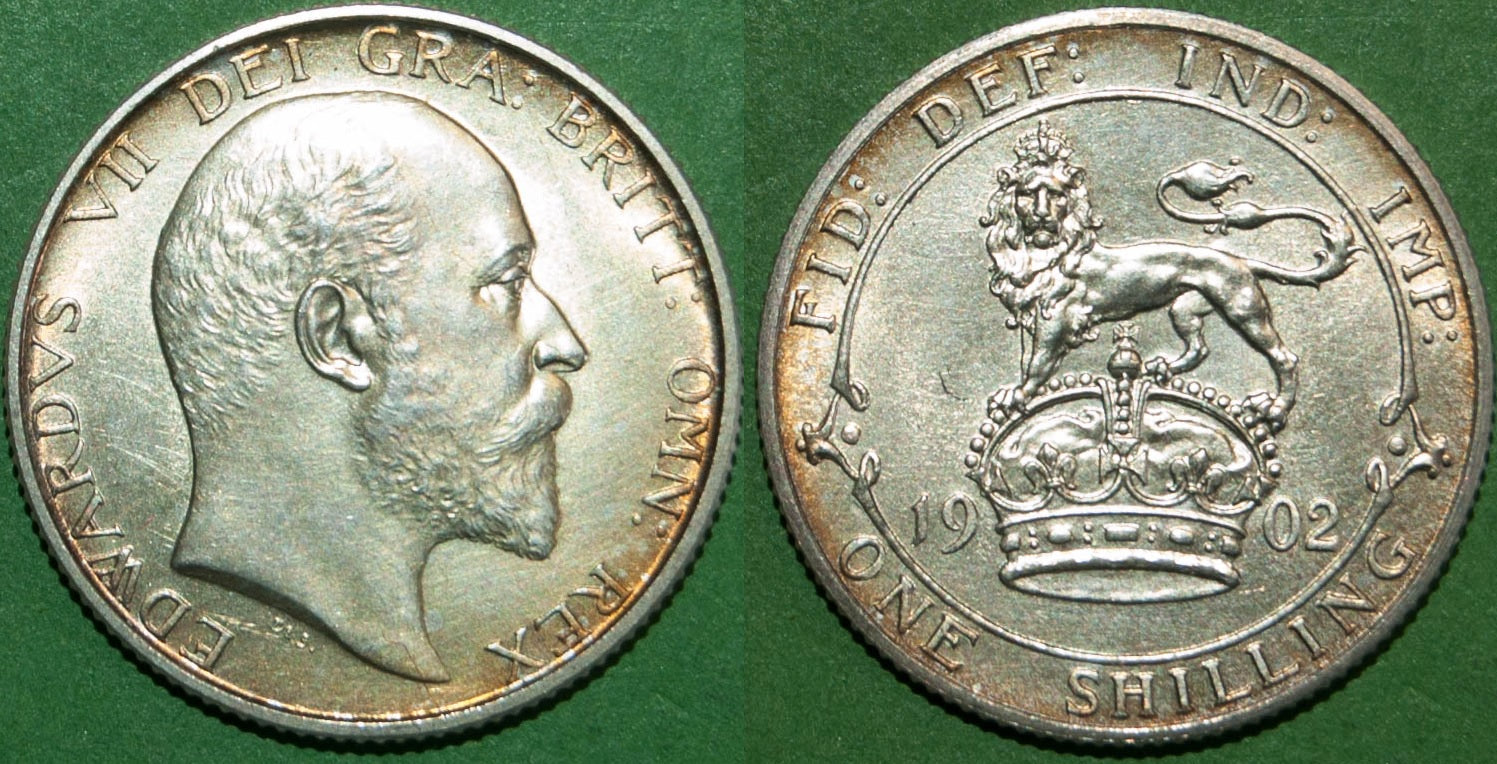
1902 Proof Shilling
£142.50
S3982, Davies 1550, ESC 3588 (1411). Edward VII 1902 proof shilling. Previously grade by the Canadian company ICCS as PF-63. Certificate and ticket with coin. Light friction to the obverse...

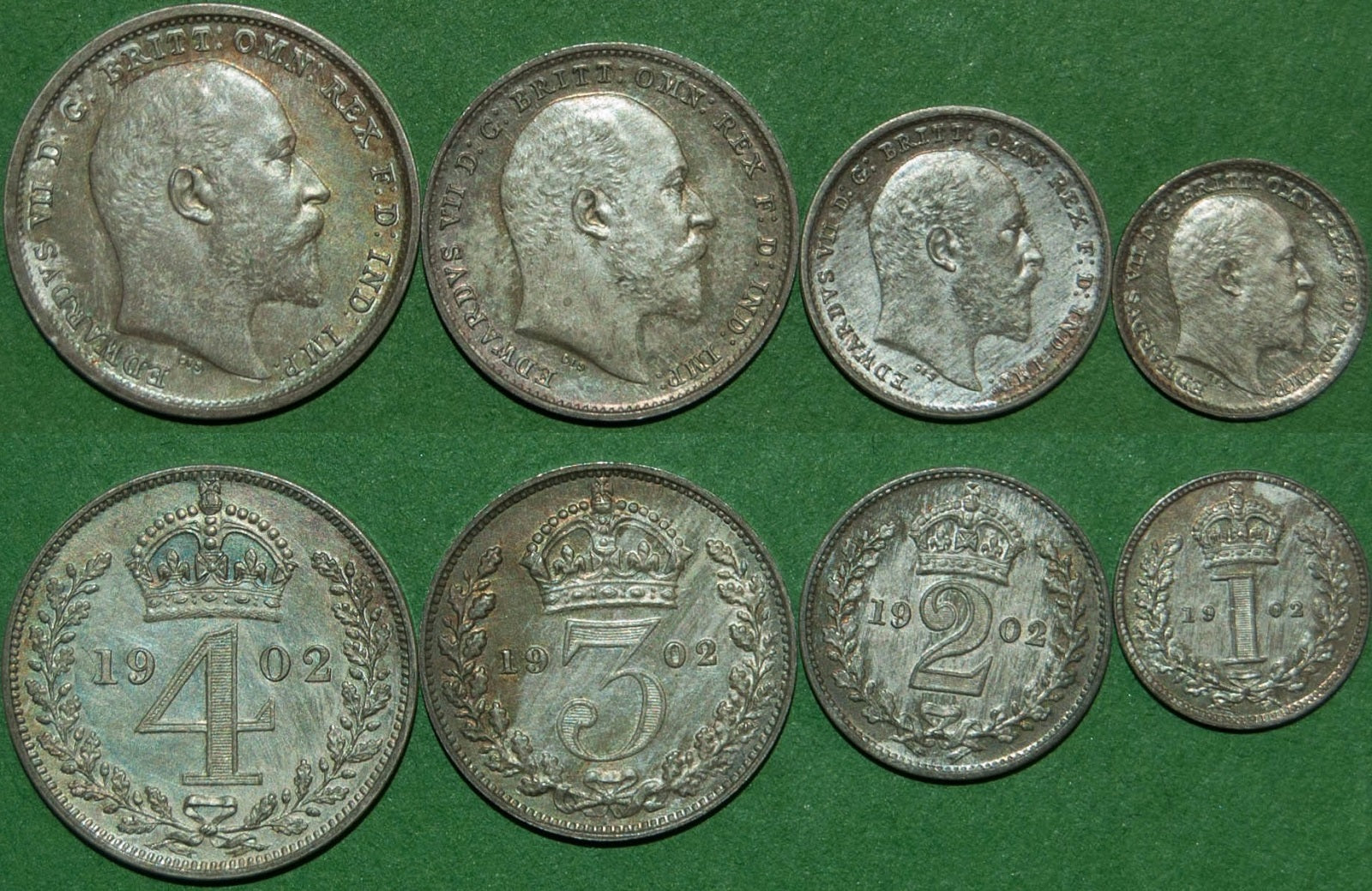
1902 Matt Proof Maundy Set
£337.50
S3985, Davies 1610, ESC 3608 (2518). Edward VII 1902 matt proof Maundy set. Toned, practically as struck Grade: Unc

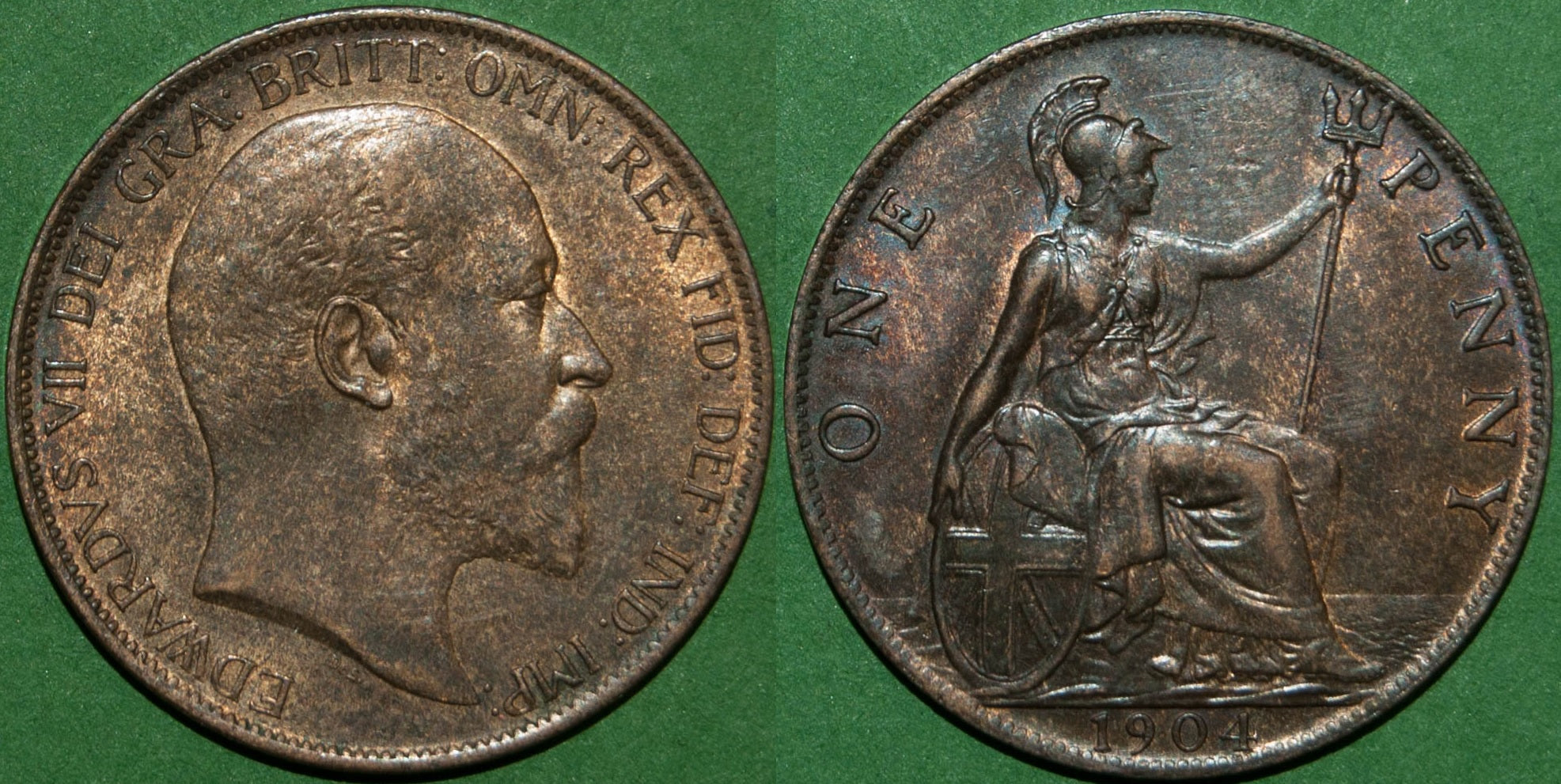
1904 Penny
Sold Out
S3990, F159. Edward VII 1904 penny. Scarce. Mostly toned with light wear and residual lustre to the obverse. Grade: EF


1910 Threepence
£22.50
S3984, Davies 1603, ESC 3626 (2123). Edward VII 1910 threepence. Scarce. Some wear to the portrait, the reverse better. Grade: VF


1908 Penny, Freeman 165
£18.00
S3990, Freeman 165. Edward VII 1908 penny with dies 2+C. Scarce. Past cleaning but now pleasantly re-toned. Grade: gFine


1906 Halfcrown
£367.50
S3980, Davies 1514, ESC 3572 (751). Edward VII 1906 halfcrown. Light wear and quite attractive. Grade: EF


1908 Halfpenny
£12.00
S3991, Freeman 387. Edward VII 1908 halfpenny. Toned with even wear. Grade: aVF


1909 Threepence
£82.50
S3984, Davies 1602, ESC 3625 (2122). Edward VII 1909 3d. Scarce. From a collection of silver threepences recently consigned. Just the barest hint of rub and scarce in this grade....
© 2026 RP Coins.