Terms & Conditions
- All items sold by RP Coins are supplied on approval and may be returned for any reason within seven days of receipt. Customers returning goods are responsible for arranging insurance against loss or damage. Third party sales items are sold on approval where indicated. Please see the introduction to that section for further details.
- Clients of known good standing to us will have their goods shipped upon receipt of order or as soon as is practicable afterwards, payment being due upon their receipt of invoice. All other clients’ orders will be held pending payment and shipped on receipt of cleared funds. All goods remain the property of RP Coins until paid for in full.
- Payment should be made in GBP by the following means - cheque drawn on a UK bank made payable to RP Coins. Please do NOT make them payable to R Pearce. Payment may also be made by postal order, banker’s draft or transfer to our bank account at Bank of Scotland, sort code 80-22-60, account no. 29068662. Cheques or money orders drawn on foreign bank accounts in local currency are expensive to process and may take up to a month to clear. If this is the only option available to you, please add £15 to the invoice total to cover the additional charges. Payment can be made using debit or credit cards as indicated.
- Postage will be charged on all orders.
- For UK coin orders up to £50 value the cost is £5.00. Orders over this up to £750 will be despatched by Royal Mail Special Delivery (insured) at a cost of £12 per order. Over £750 is £20 per order. Books and other heavy items will be charged according to the prevailing postage cost for that weight.
- Export sales are supplied net of any UK VAT (where applicable). Import duties or taxes payable in the destination country are the responsibility of the customer.
- All items sold are guaranteed genuine unless indicated otherwise.
Hanover (1714-1901)

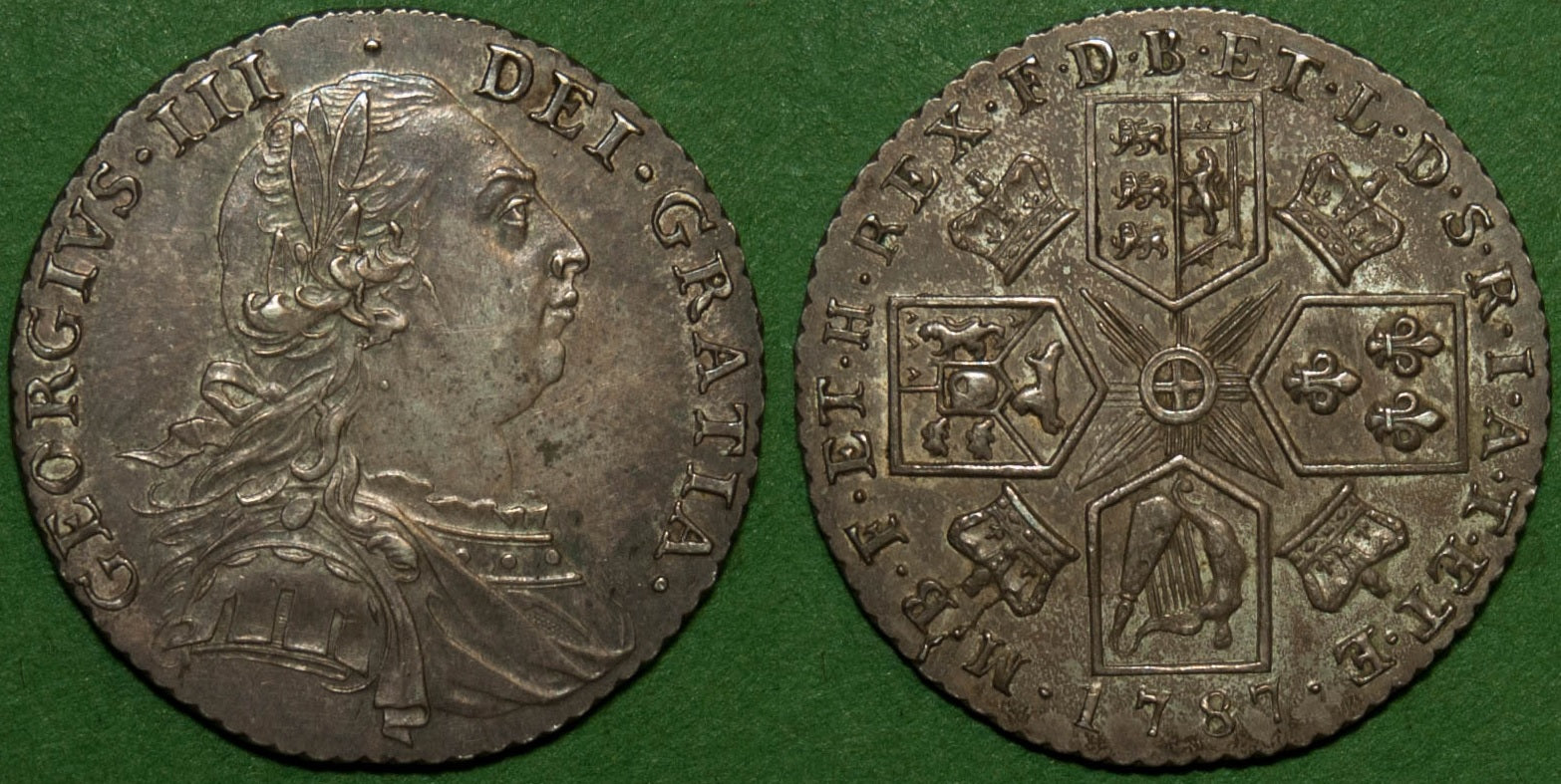
1787 Shilling, with hearts.
£195.00
S3746, ESC 2129 (1225). George III 1787 shilling with semee of hearts in the Hanoverian arms. Toned with wear to the high points. Struck from old dies with flaws both...

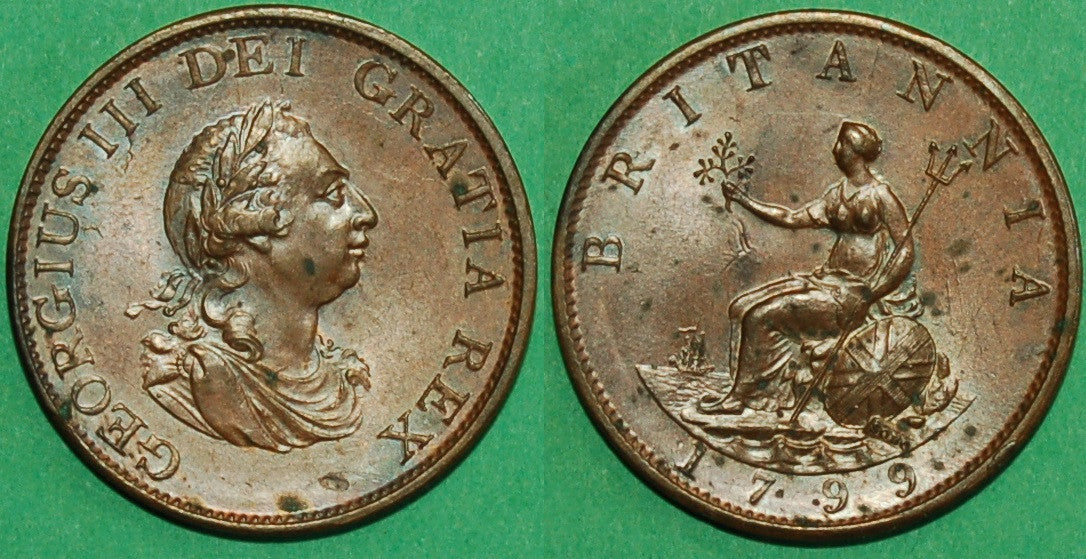
1799 Halfpenny, 5 Incuse Gunports. Peck 1248. *REDUCED*
£135.00
SCBC 3778, Peck 1248. George III third issue 1799 Soho 1/2d with 5 incuse gunports. Practically as struck with a few spots. Grade: gEF REDUCED 10%

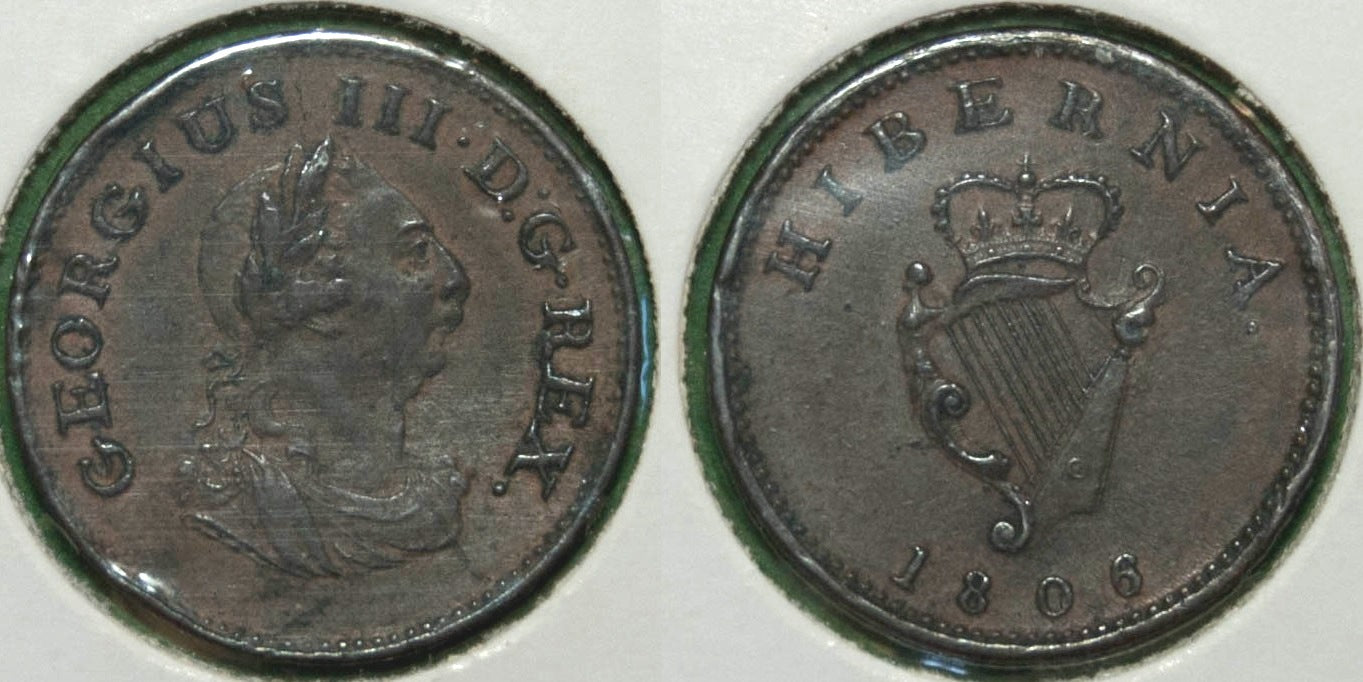
Ireland 1806 farthing
£20.00
S6622, DF 602. 1806 Irish farthing. Light wear to the high points. Toned. Grade: gVF

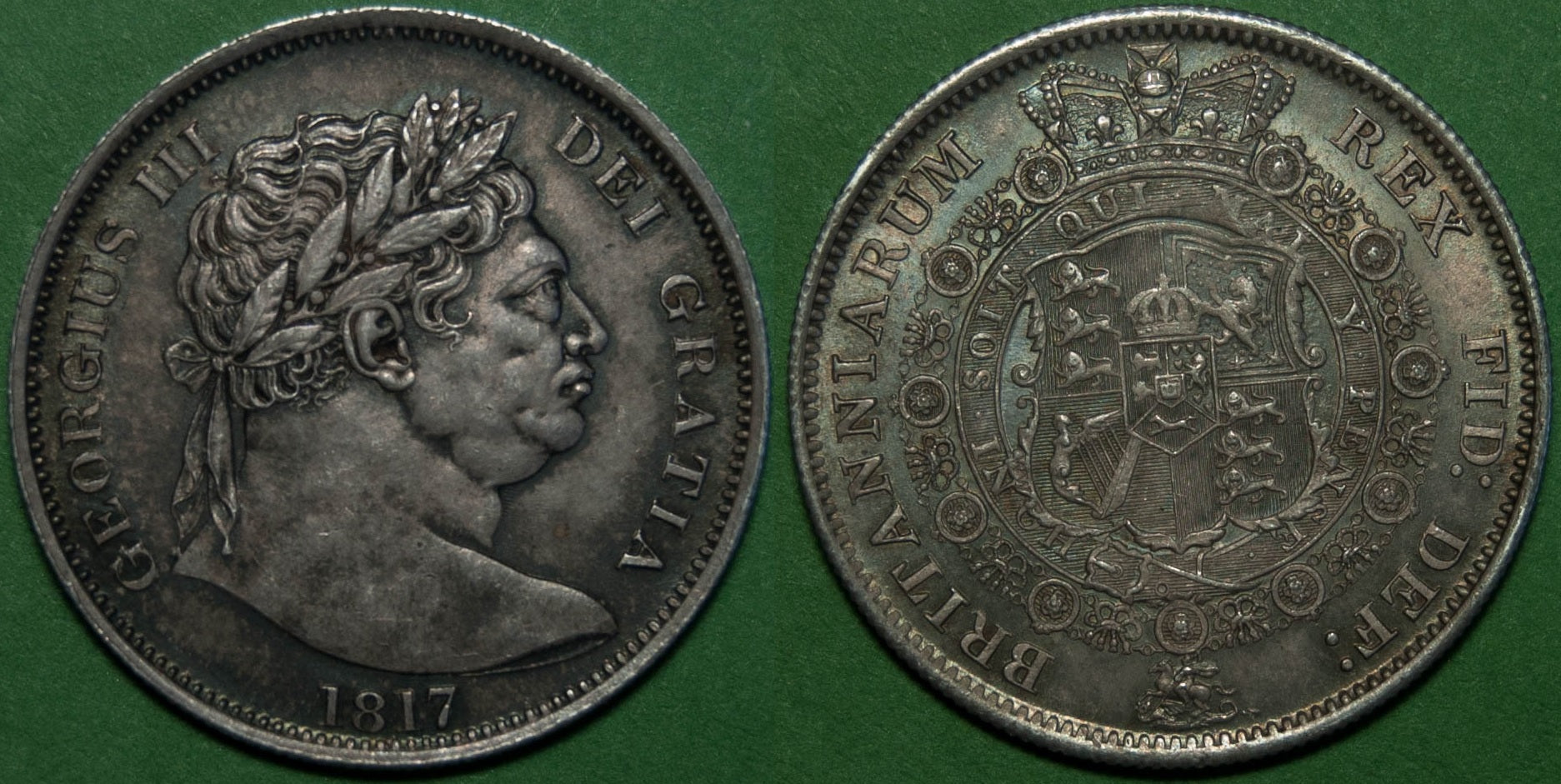
1817 Halfcrown, Large Head
£487.50
S3788, Davies 51, ESC 2090 (616). George III 1817 first issue halfcrown with the large head. A little wear to the high points and a grey/green tone. Grade: EF+ *REDUCED*

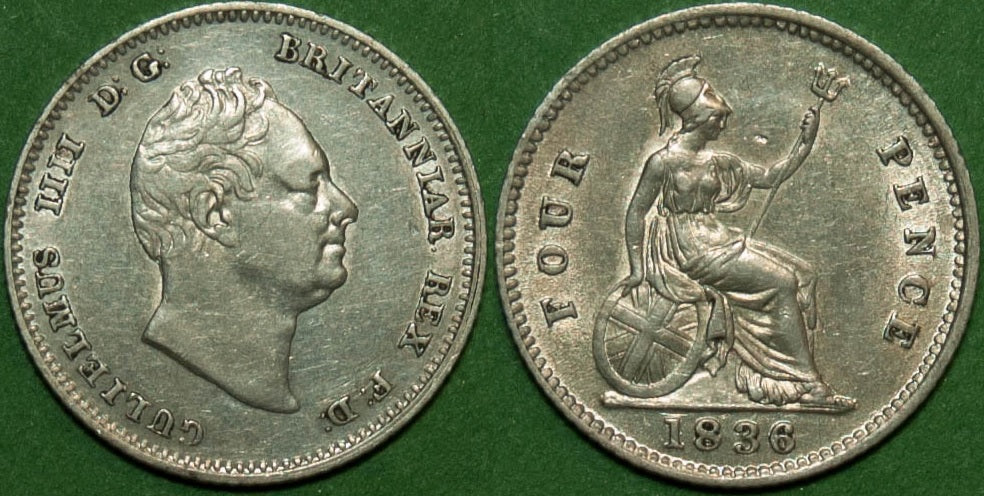
1836 Groat
£90.00
S3837, Davies 380, ESC 2515 (1918). William IV 1836 4d. The first year of issue. Light friction to the high points. Grade: aEF

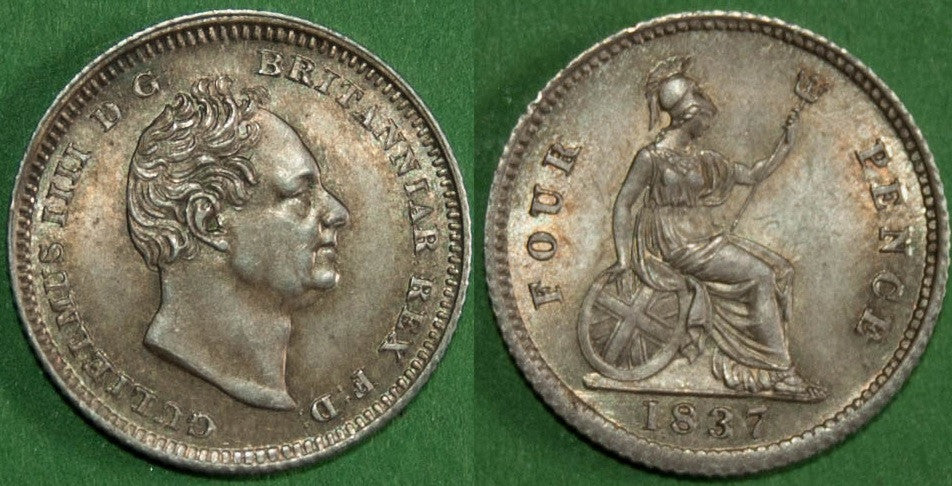
1837 Groat
£187.50
S3837, D384, ESC 2520 (1922). William IV 1837 groat, obverse 2 with 'more wiry hair' and wider colons after D and G. 1837 is considerably scarcer than 1836. Minimal friction...

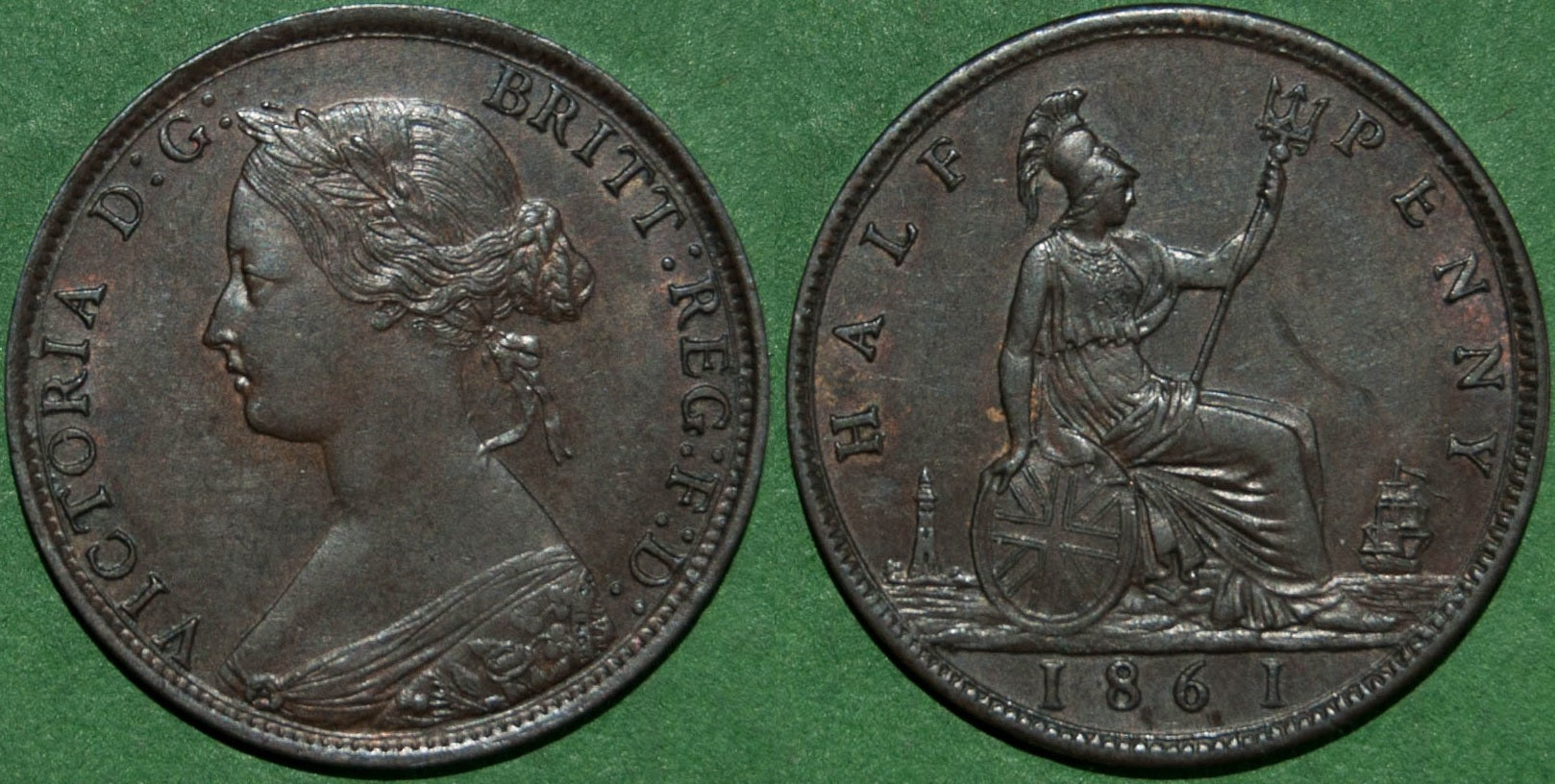
1861 Halfpenny, Freeman 282
£95.00
S3956, F282. Victoria 1861 halfpenny with Freeman dies 7+G. Toned with minimal wear. Grade: gEF

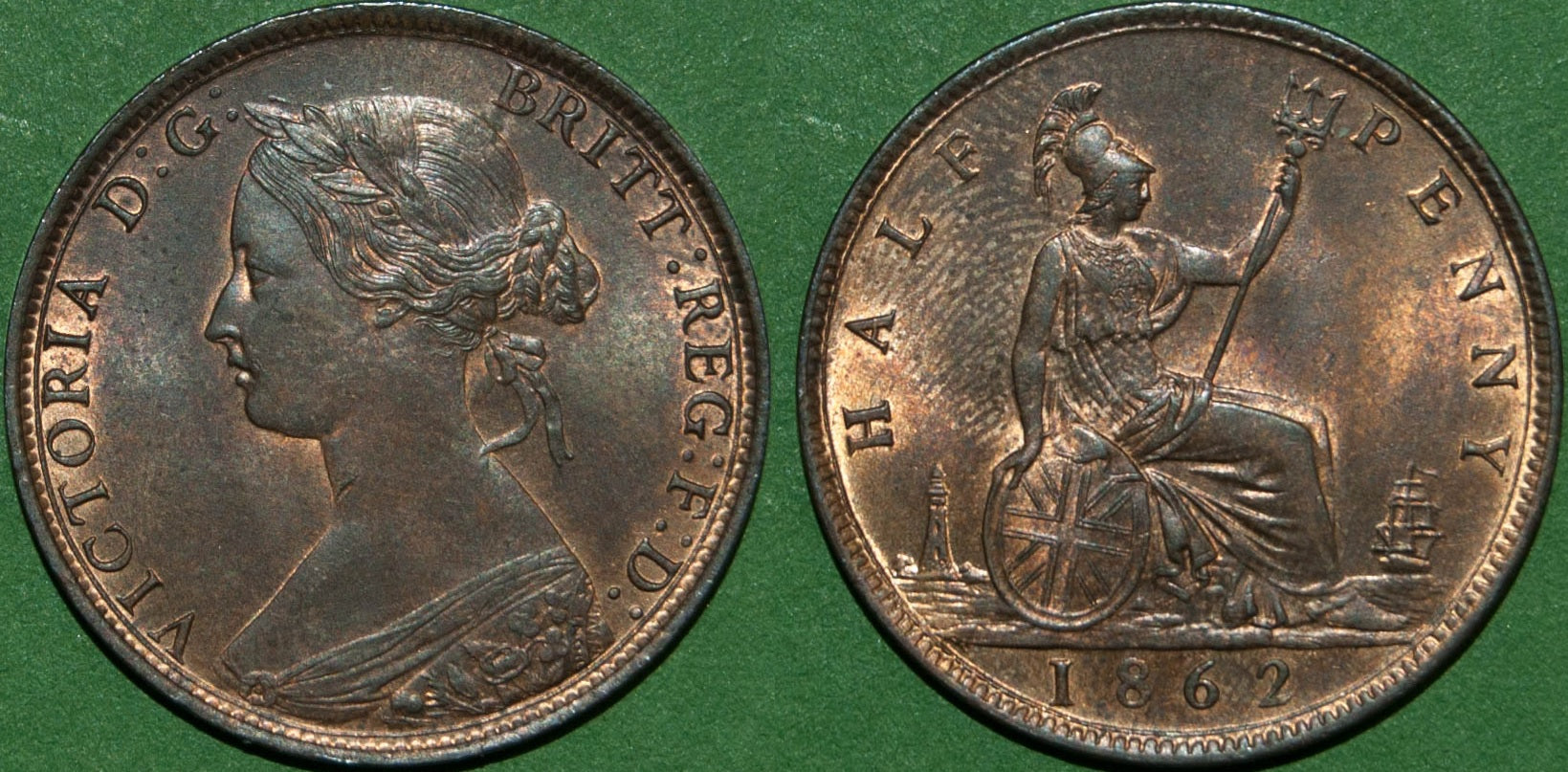
1862 Victoria Halfpenny F289
£75.00
S3956, F289, P1776. 1862 halfpenny dies 7+G with minimal wear and a light fingerprint to the reverse. Grade: Unc/gEF

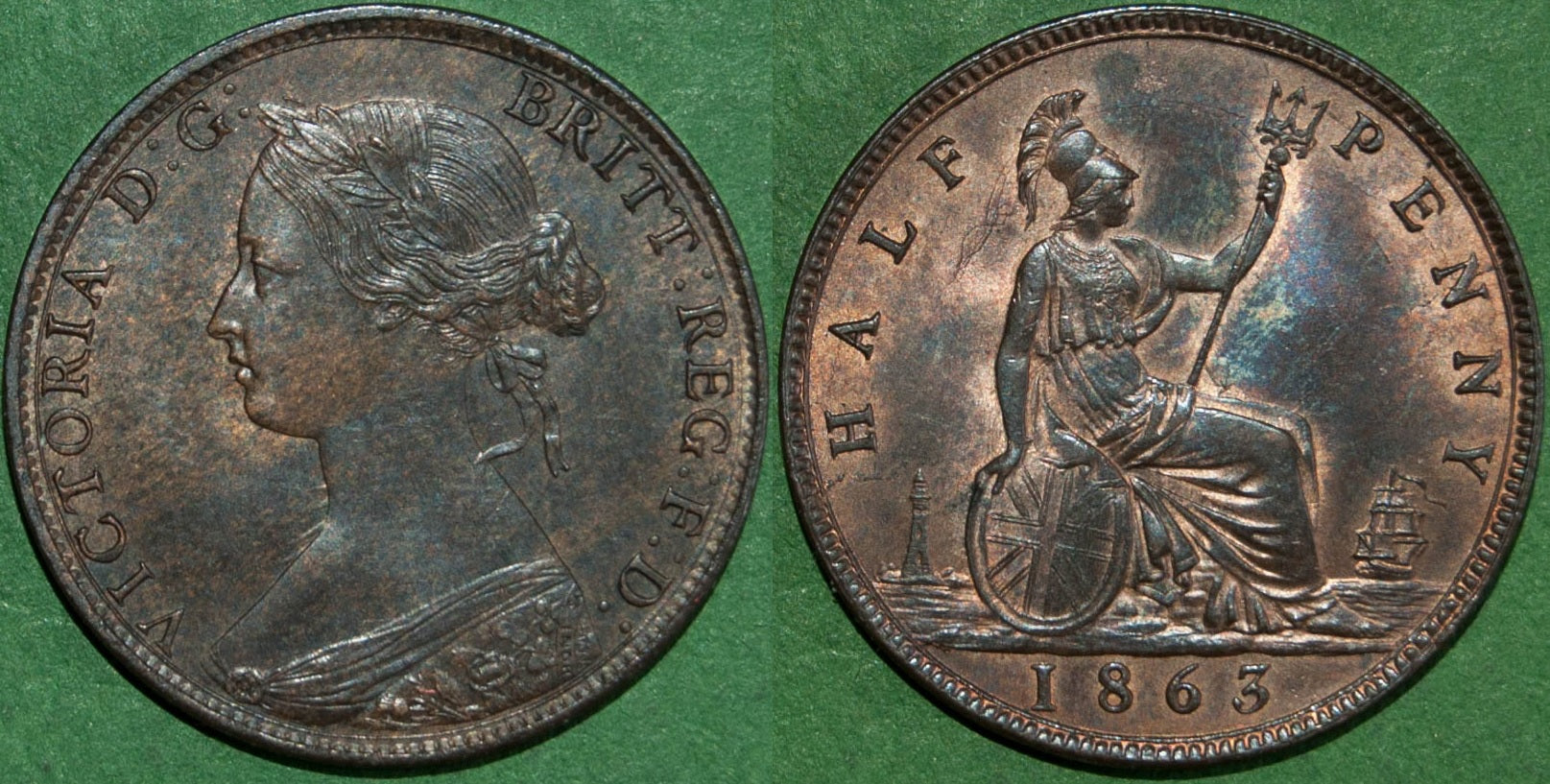
1863 Halfpenny, Tall 3
£100.00
S3956, F292. Victoria 1863 bronze 1/2d with tall 3 in date. Unevenly toned on the obverse with residual lustre on the reverse and a bare hint of cabinet friction. Grade: gEF

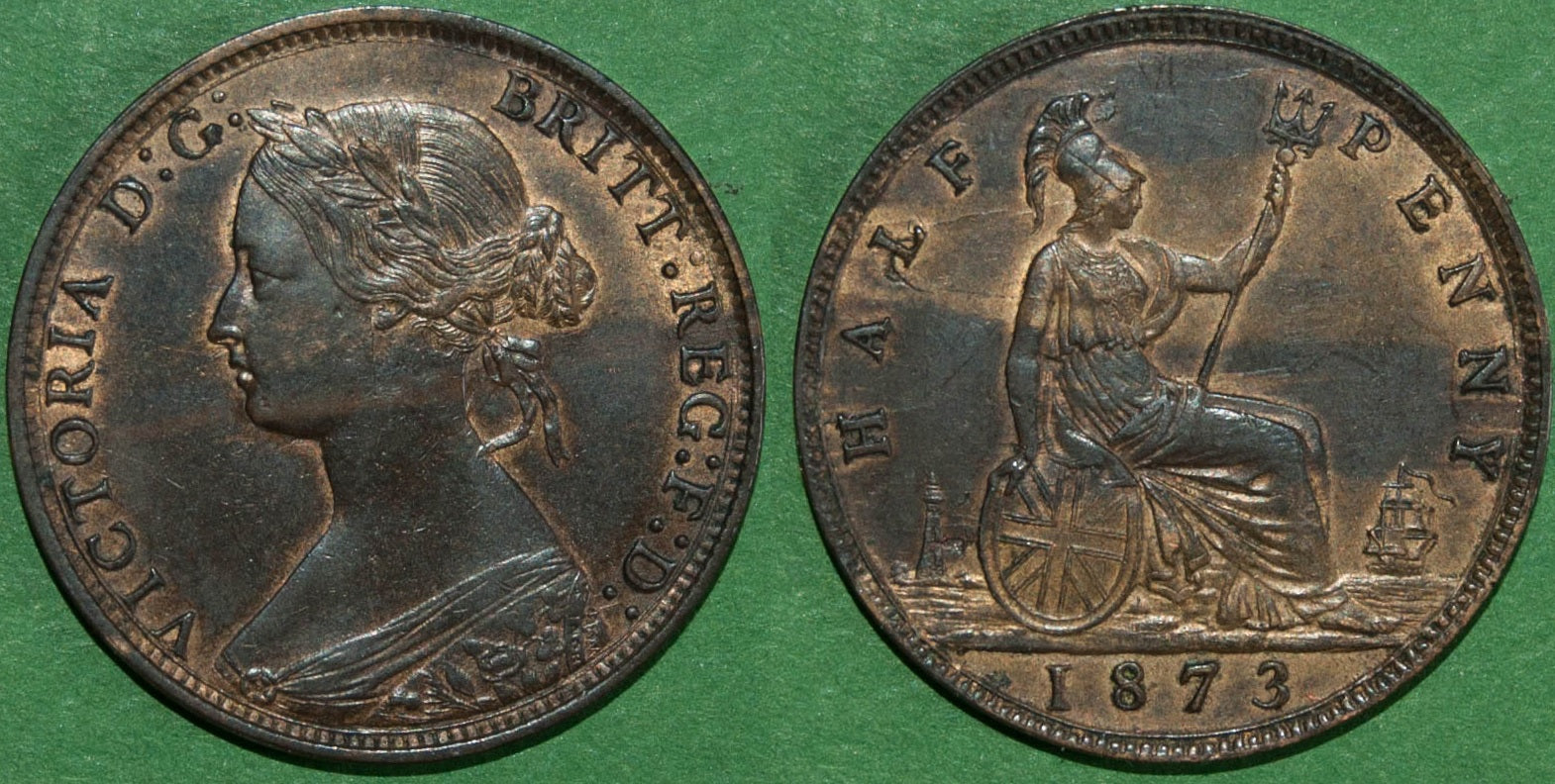
1873 Halfpenny
£80.00
S3956, F310. Victoria 1873 halfpenny with Freeman dies 7+G. Scarce. Unevenly toned and lamination to the reverse. Grade: EF

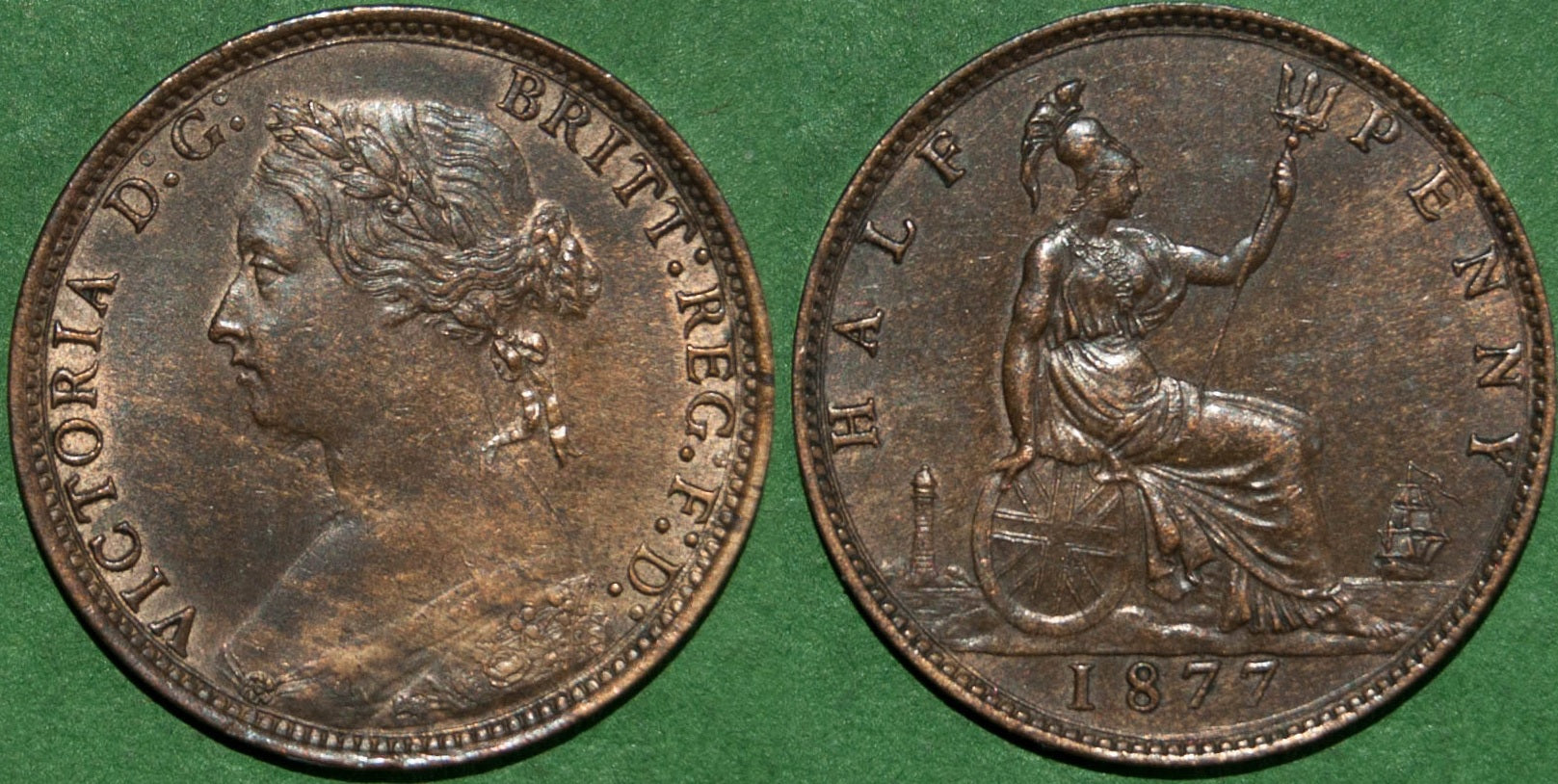
1877 Halfpenny
£80.00
S3956, F330. Victoria 1877 bronze halfpenny with Freeman dies 13+J (R14) - the rarest of the three die pairs for this date. Toned with minimal wear. Grade: EF

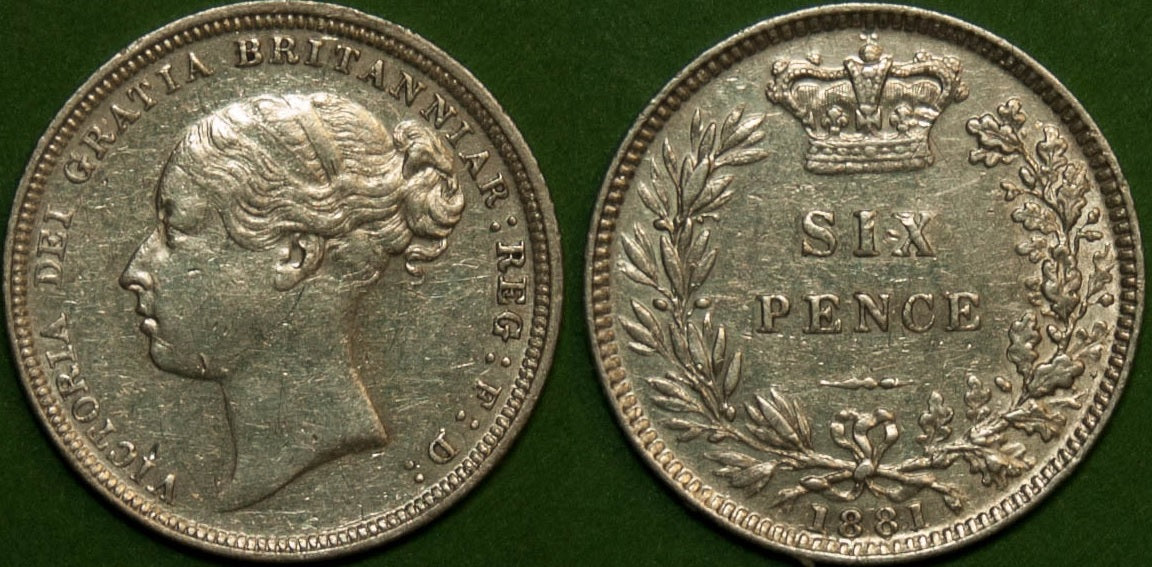
1881 Sixpence
Sold Out
S3912, Davies 1099, ESC 3251 (1740). Victoria 1881 third head sixpence. Scarce. Dipped with a few contact marks but only light wear and good detail. Grade: gVF

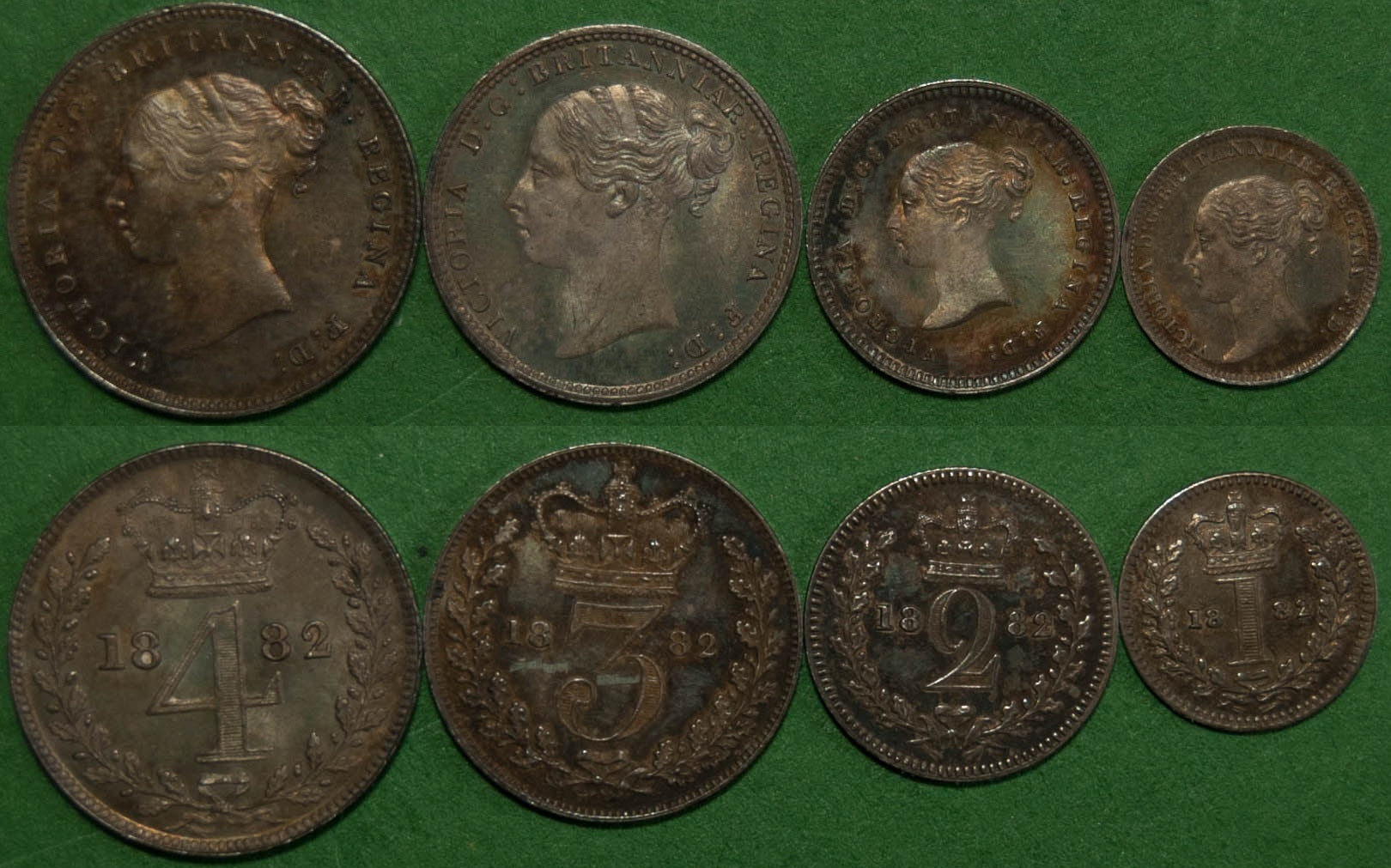
1882 Victoria Maundy Set
£275.00
SCBC 3985, ESC 3538 (2496), Davies 1444. 1882 Maundy Set. Evenly toned and practically as struck with just a bare trace of friction to some high points. Scarce date. Grade:...

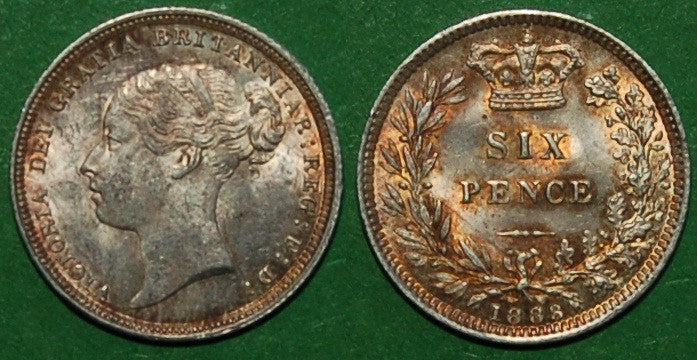
1883 Sixpence, Small Reverse Legend
£300.00
S3912, ESC 3255 (1744), D- (6+D). Victoria 1883 6d with the die pair unknown to Davies for this year, though is now recorded in Spink as small reverse legend (EF-150, Unc-400). The cross on...


1885 Shilling
Sold Out
S3907, ESC 3076 (1345), D923. Victoria 1885 fourth young head shilling. Light friction to the hair and a few obverse marks, the reverse better. Grade: EF/EF+

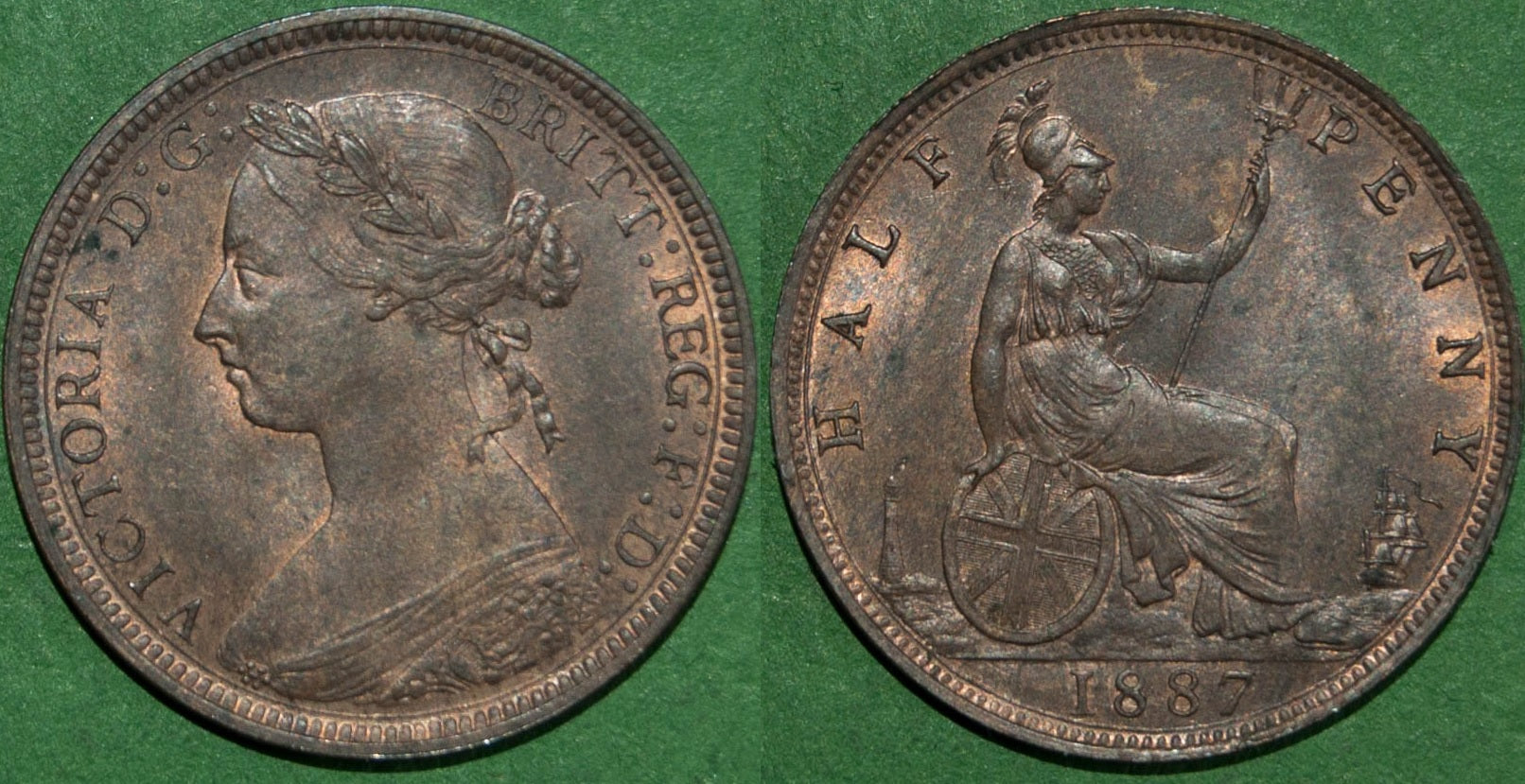
1887 Halfpenny Uncirculated. *REDUCED* 10%
£90.00
S3956, F358, P1843. Victoria 1887 bronze halfpenny. Toned with residual lustre. Grade: Unc Reduced from £100

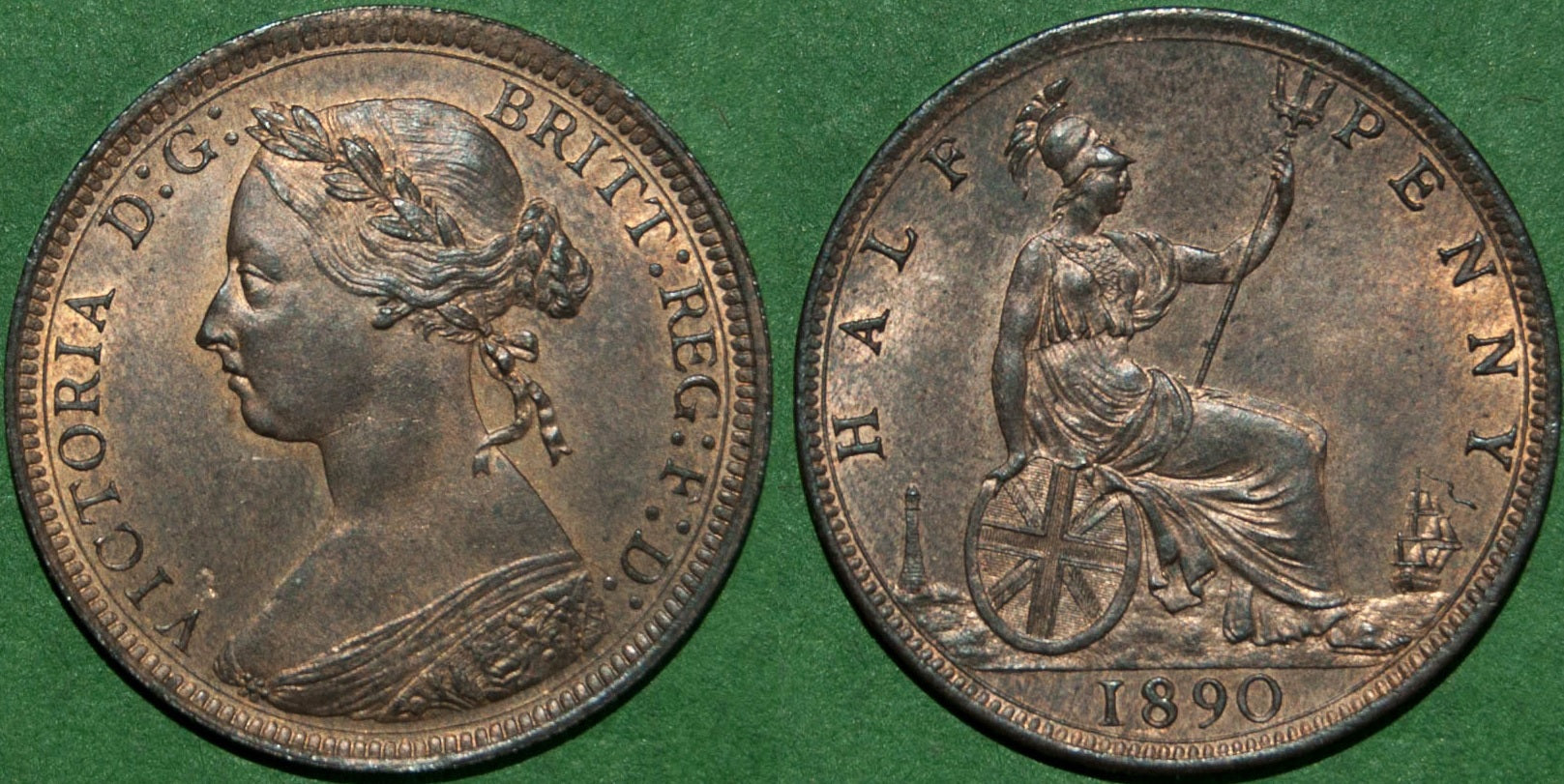
1890 Halfpenny
£100.00
S3956, F362. Victoria 1890 halfpenny. Lightly toned with underlying brilliance in the fields and a bare hint of cabinet friction to a couple leaves. Grade: gEF/Unc

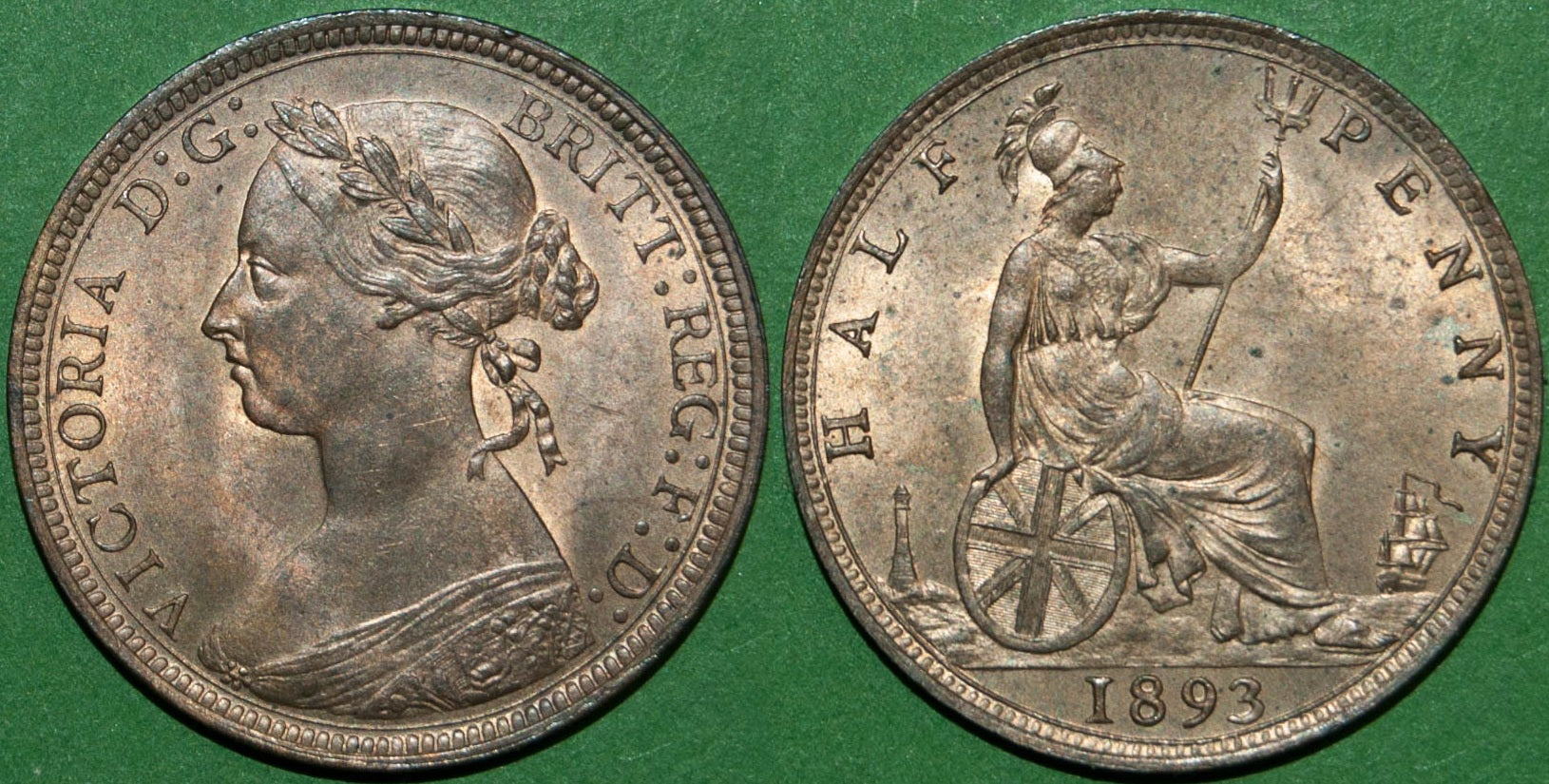
1893 Halfpenny
£125.00
S3956, F358, P1852. Victoria 1893 halfpenny. Virtually full lustre, lightly toning with no wear. A couple of minor marks to the obverse do not significantly detract. Grade: Unc

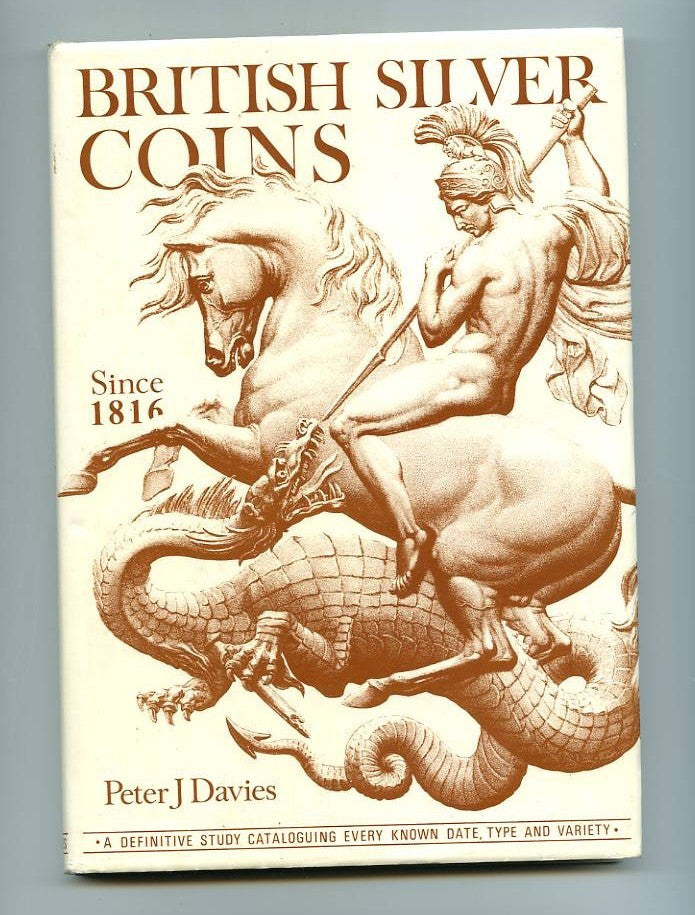
BRITISH SILVER COINS Since 1816 by Peter J Davies
£33.00
British Silver Coins since 1816 by P J Davies (1982). 128pp. Hardback. A detailed reference for the period covered as it includes letter sizes and pointings and as such gives...

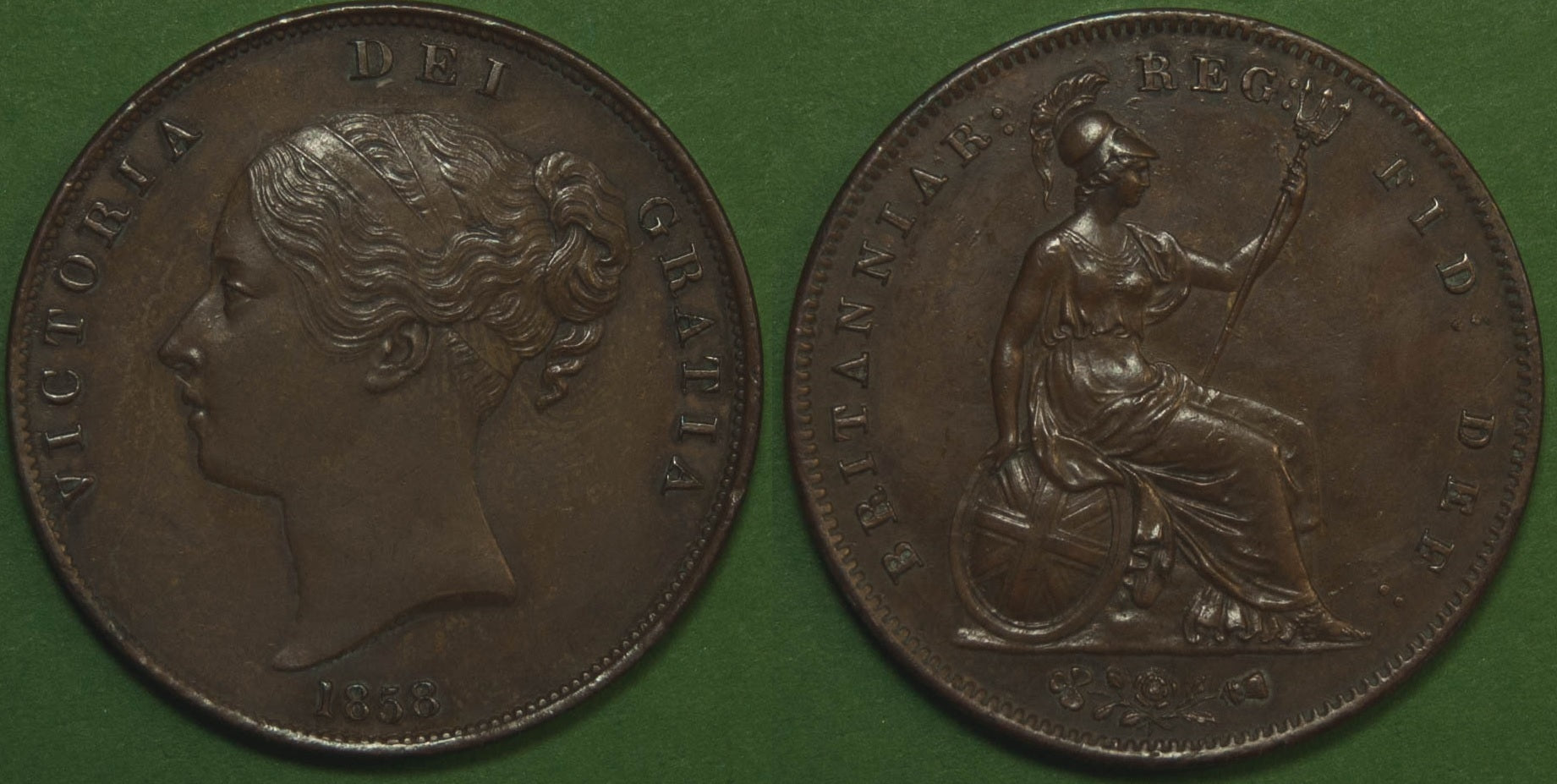
1858 OT Penny, no WW
£110.00
S3948, P1518. Victoria 1858OT penny with no. WW on the truncation. A trace of friction. Grade: gEF *REDUCED*

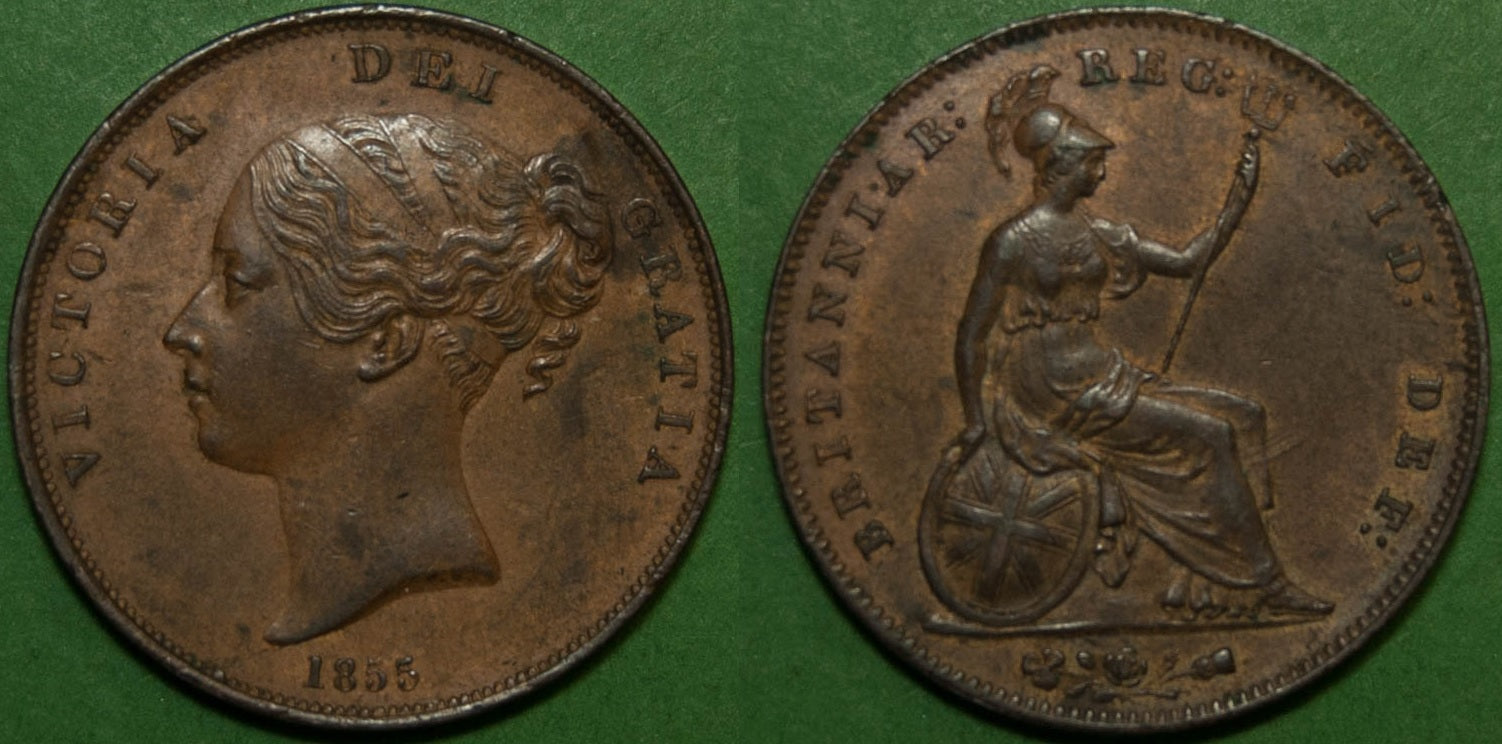
1855PT Penny
£45.00
S3948, P1509. Victoria 1855 penny with plain trident. Light wear. Grade: gVF

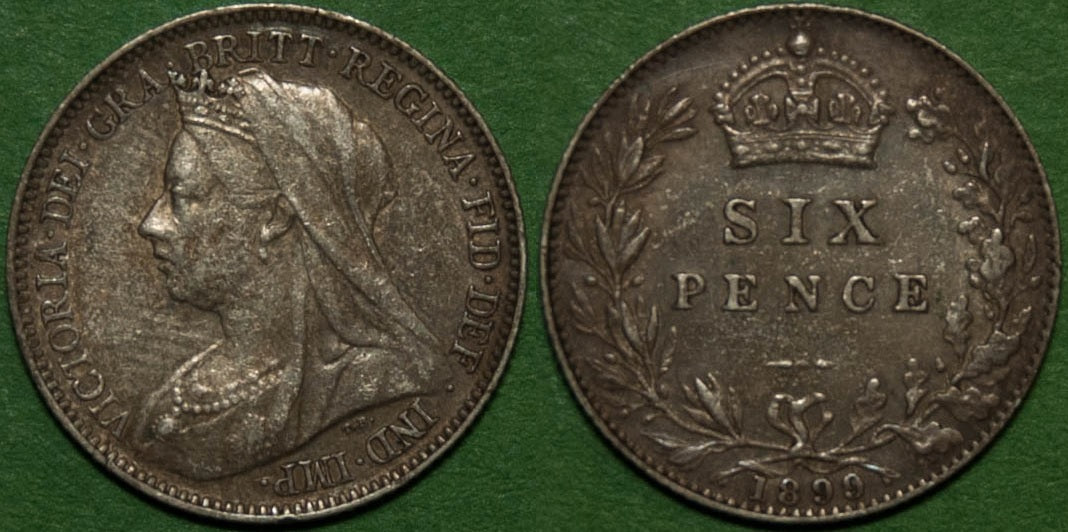
1899 Sixpence
£25.50
S3941, Davies 1187, ESC 3292 (1769). Victoria 1899 veiled head 6d. Toned with light even wear. Grade: VF+

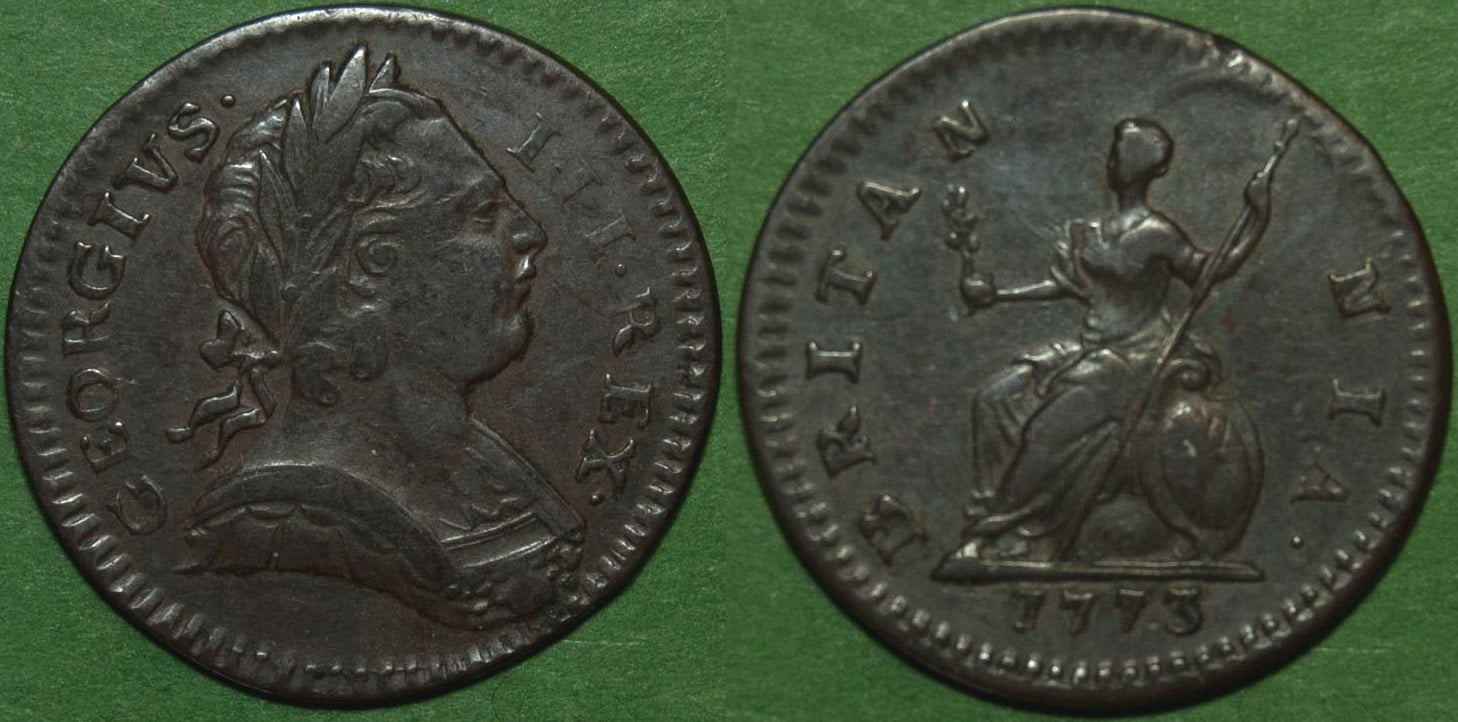
1773 Farthing obv.2
£45.00
S3775, P913. George III 1773 1st issue farthing with obverse 2. Light wear and quite pleasing. Grade: VF

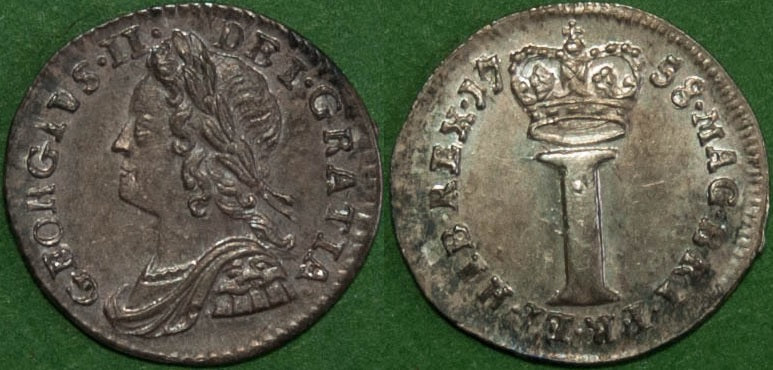
1758 Penny
£180.00
S3715A, ESC 1840 (2350). George II 1758 penny. Toned, practically as struck. Choice. Grade: Unc

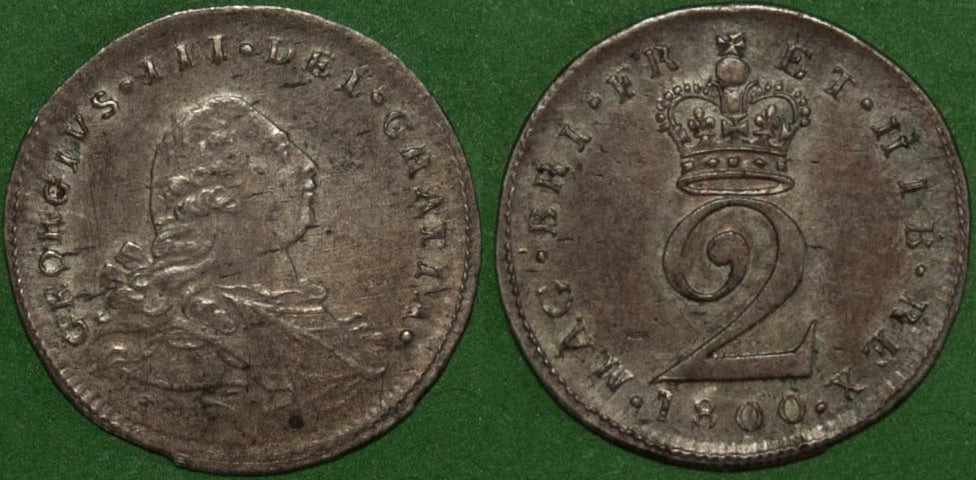
1800 Maundy Twopence
£75.00
S3758, ESC 2421. George III 1800 Maundy 2d. Toned with minimal wear to the obverse, but a few small scratches behind the head. The reverse practically as struck with residual...

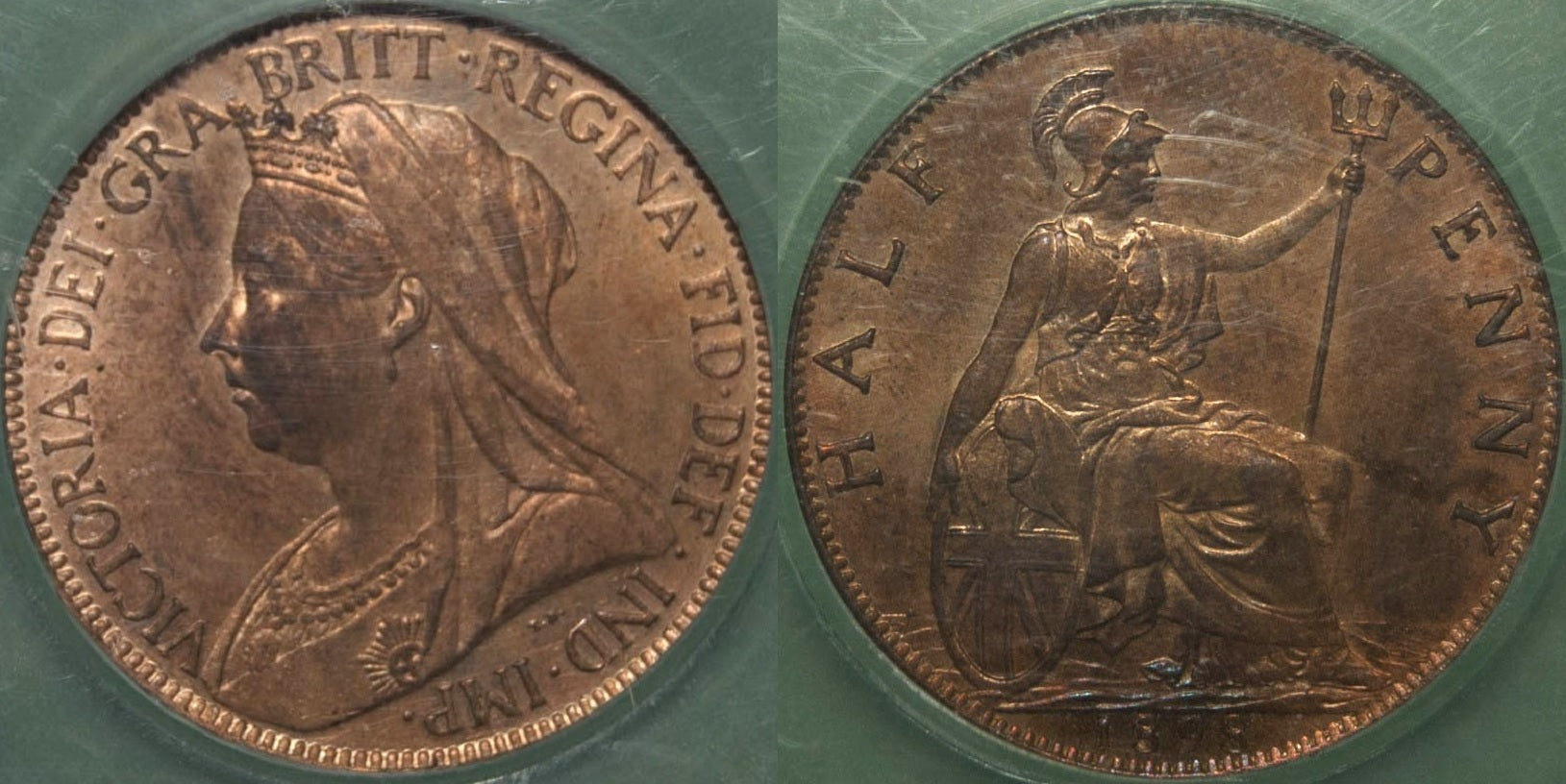
1898 Halfpenny, slabbed CGS 82
Sold Out
S3962, F375. Victoria 1898 veiled head halfpenny slabbed by CGS as UNC 82. Some toning with underlying brilliance. A scarcer date in this grade. Grade: Unc

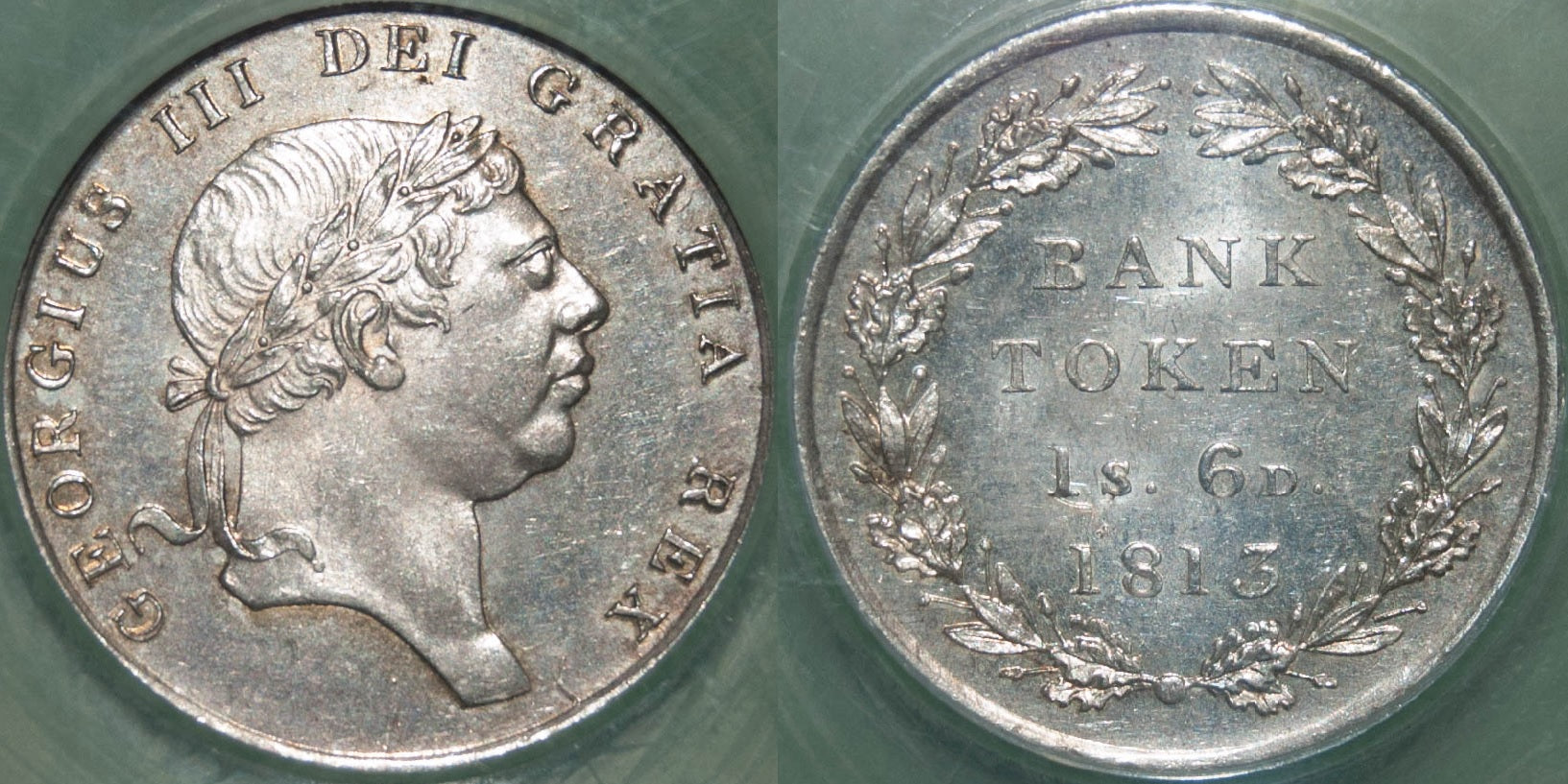
1813 One Shilling & Sixpence Bank Token
£345.00
S3772, ESC 2119 (976), Davis 65. George III 1813 second bust 1s6d bank token, slabbed CGS UNC80. Practically as struck. Grade: Unc

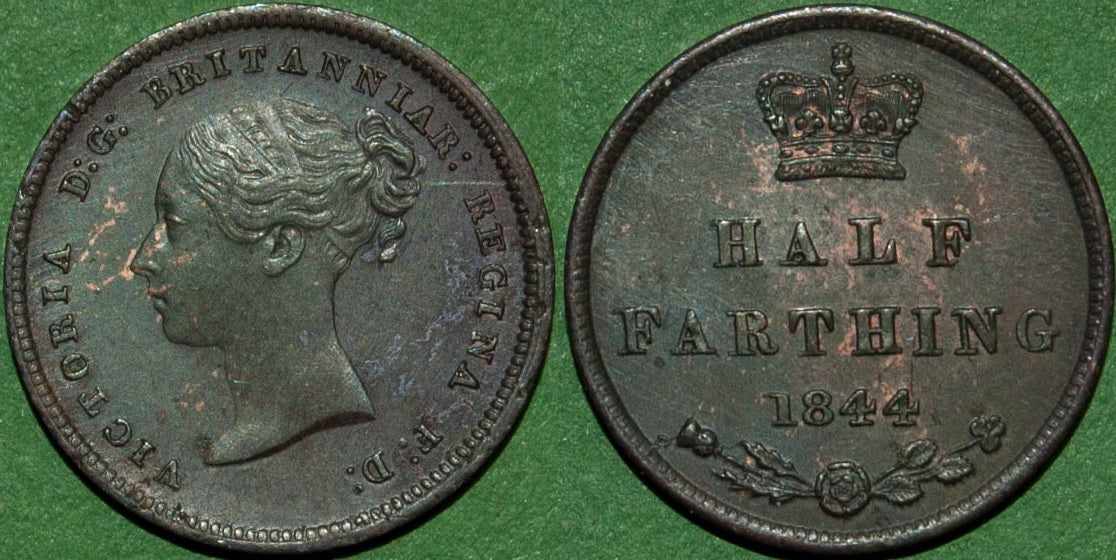
1844 Half Farthing
£35.00
S3951, P1594. Victoria 1844 copper half farthing. A trace of cabinet friction only. Toned. Grade: gEF

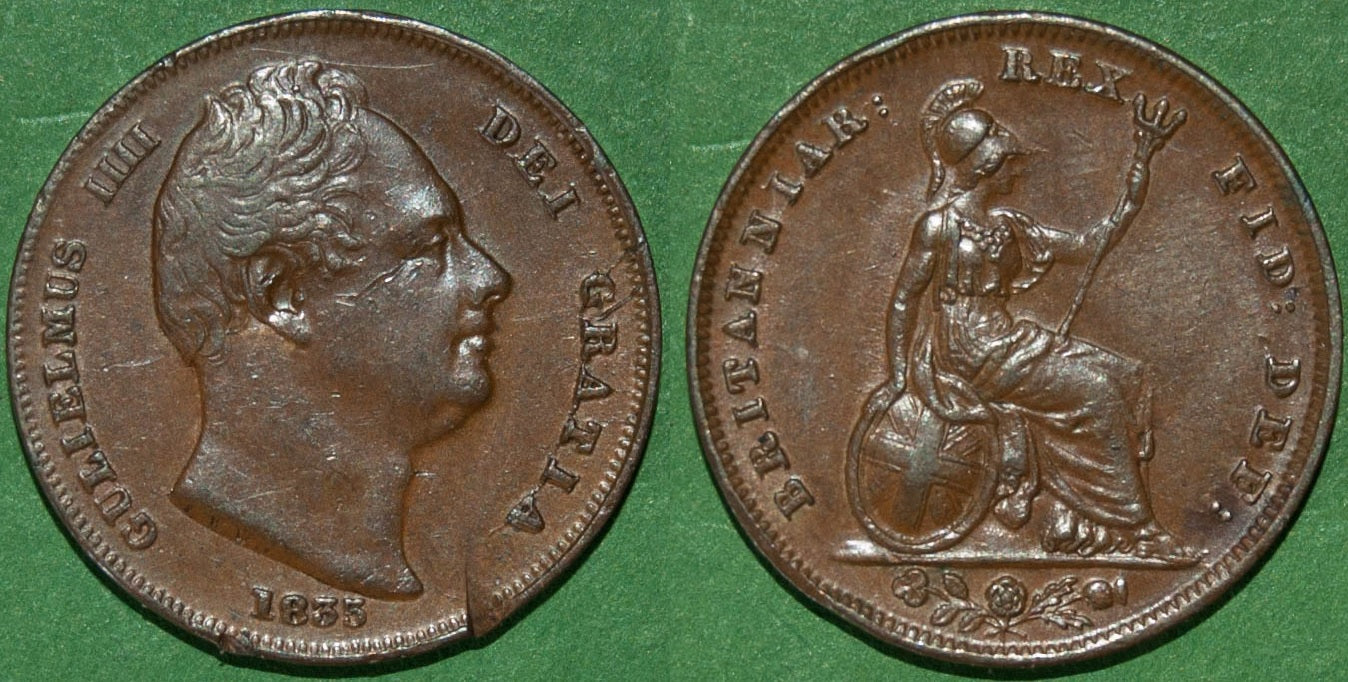
1835 Farthing
£35.00
S3848, P1473. William IV 1835 farthing with raised line on the saltire and upright die axis. Good detail with not much wear, but a few marks. Grade: aEF

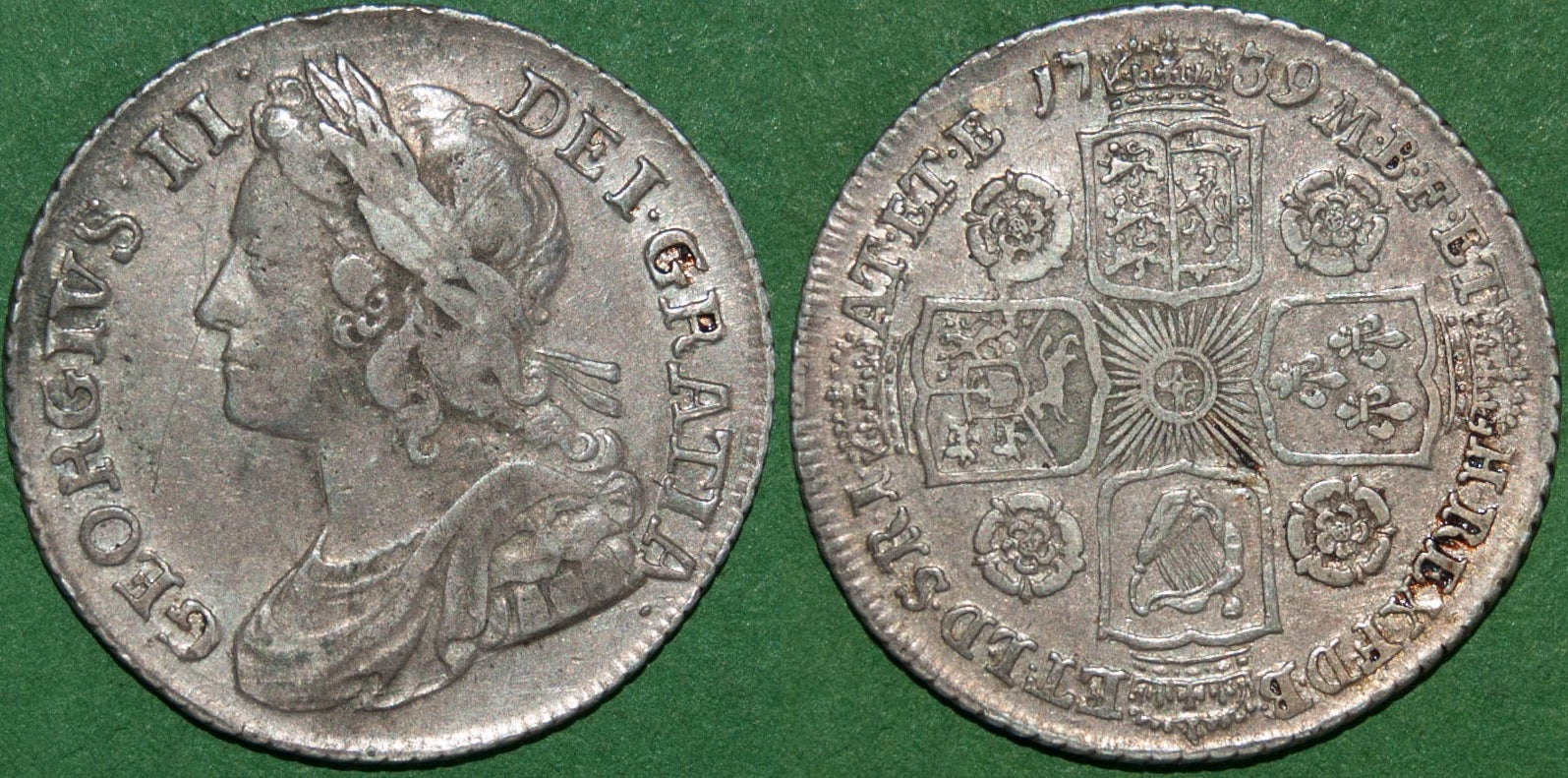
1739 Shilling
£270.00
S3701, ESC 1713 (1201). George II 1739 shilling with roses in angles. Even wear and a trace of deposits. Grade: aVF

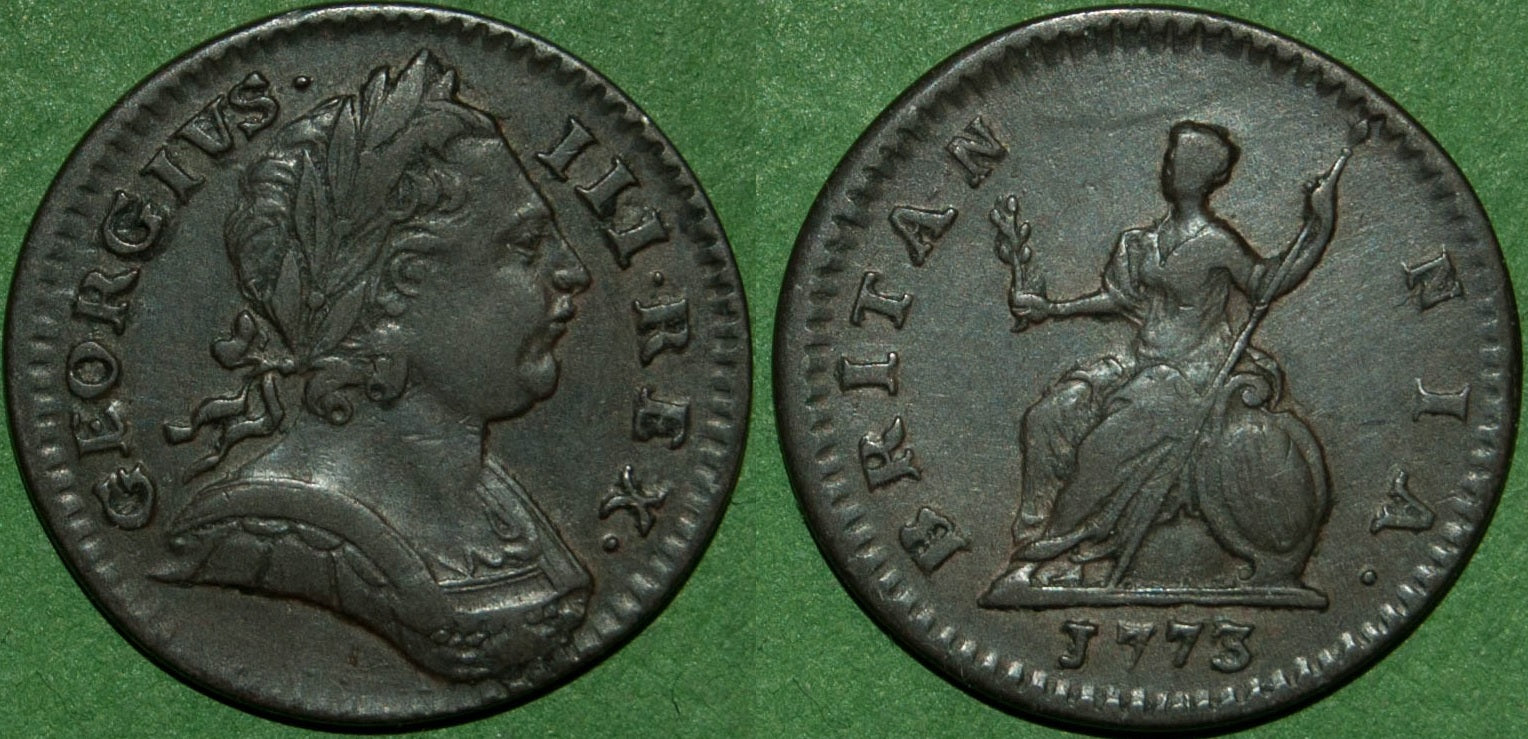
1773 Farthing
£50.00
S3775, P913. George III 1773 first issue farthing with obverse 2. Toned with light, even wear. Pleasing. Grade: VF+

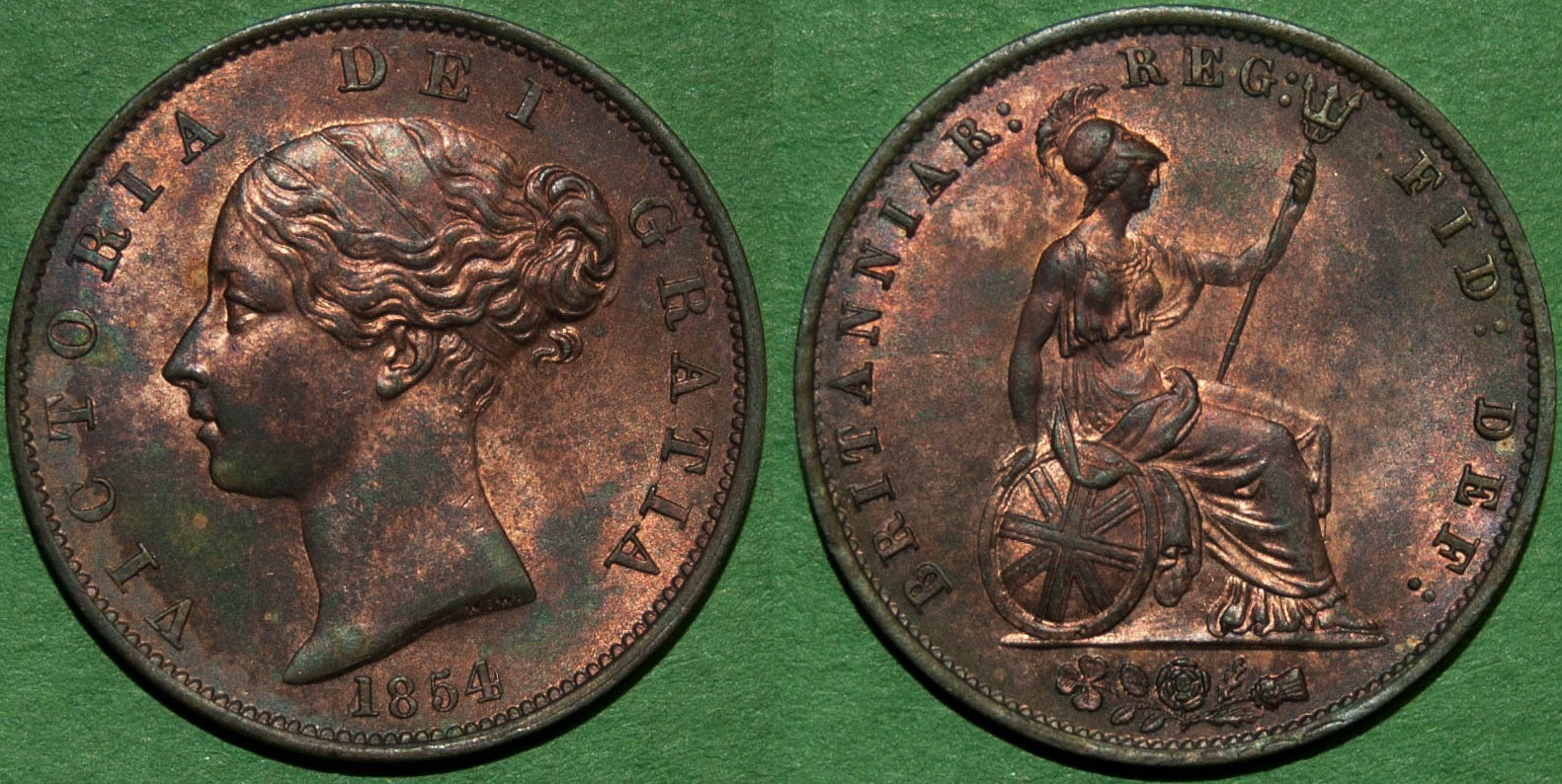
1854 Halfpenny
£75.00
S3949, P1542. Victoria 1854 copper halfpenny with rev. B (dots on shield). Some subdued original lustre with irregular toning and a trace of cabinet friction. Grade: gEF

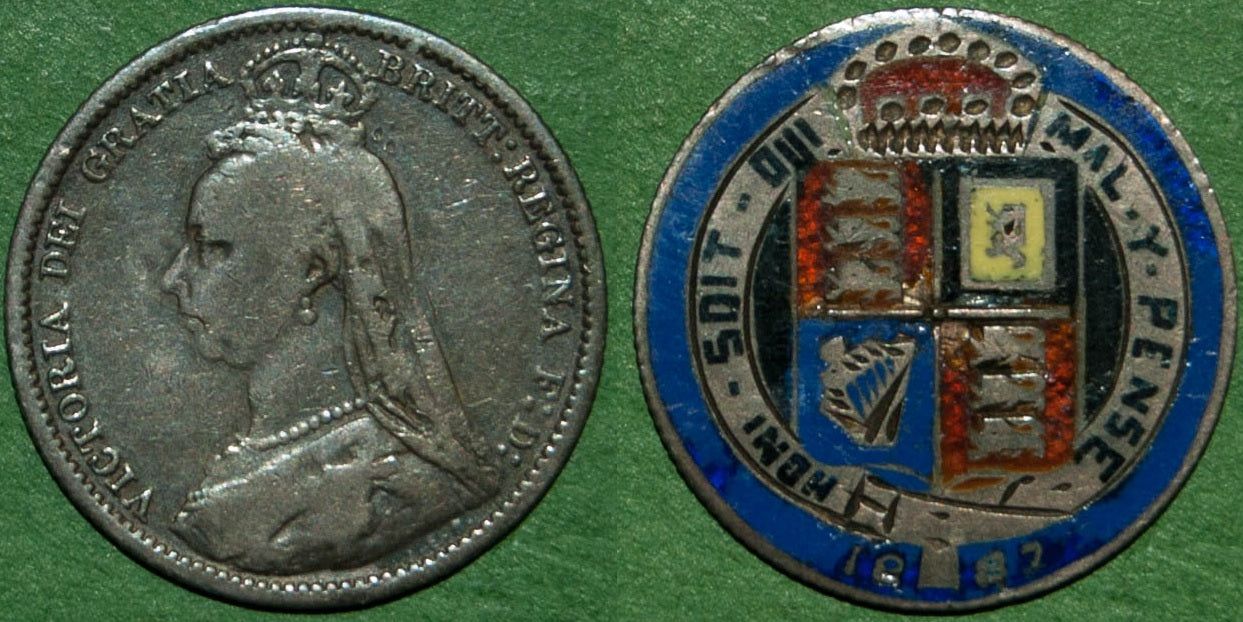
Victoria 1887 JH Sixpence, Enamelled 4 Colours
£15.00
Victoria 1887 Jubilee Head sixpence, the reverse engraved and enamelled in 4 colours - red, blue, black & yellow. As made.

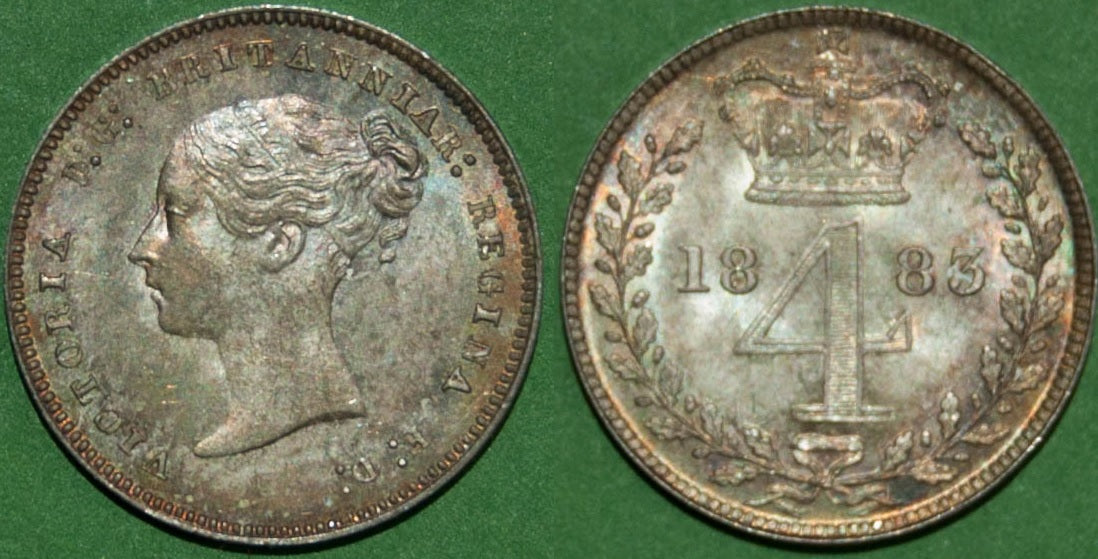
1883 Maundy Fourpence
£75.00
S3917, Davies 1445pt, ESC 3540pt. Victoria 1883 Maundy fourpence. Attractive gold and blue tones. Grade: Unc

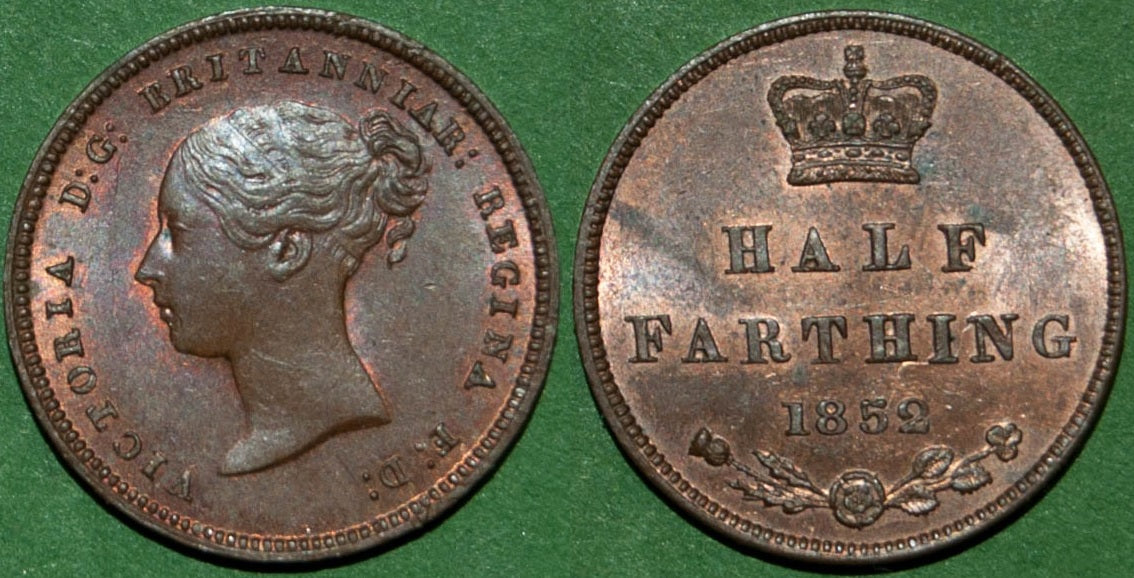
1852 Half Farthing
£110.00
S3951, P1598. Victoria 1852 copper half farthing, struck for colonial use. Comes with ticket, ex Rasmussen list 32 no.184. Toned with peripheral lustre, o/w practically as struck with a bare...

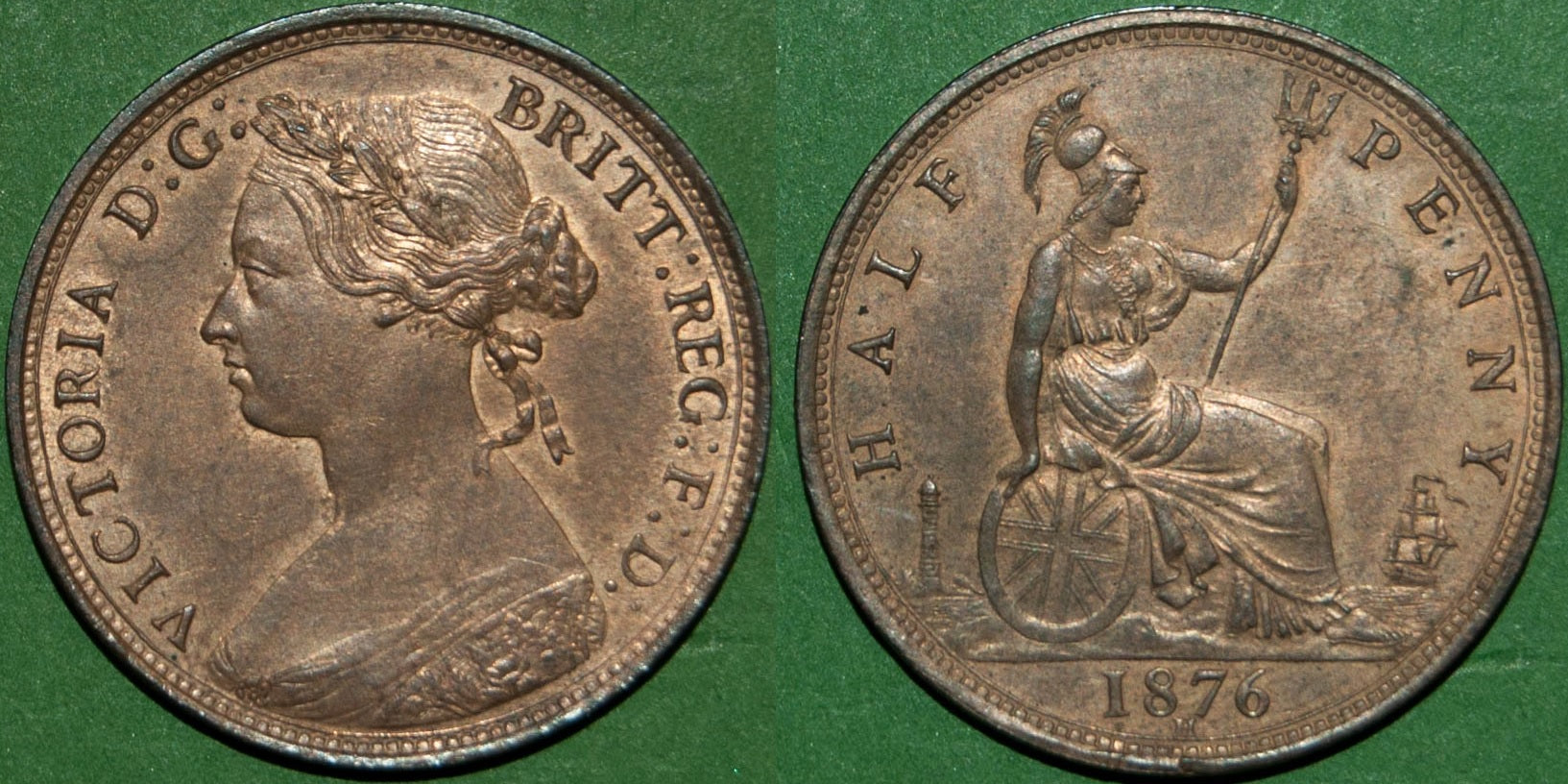
1876H Halfpenny
Sold Out
S3957, Freeman 329 (Dies 14+M). Victoria 1876 bronze halfpenny struck at the Heaton Mint. Much lustre, lightly toning in parts with plenty of underlying brilliance. Grade: Unc

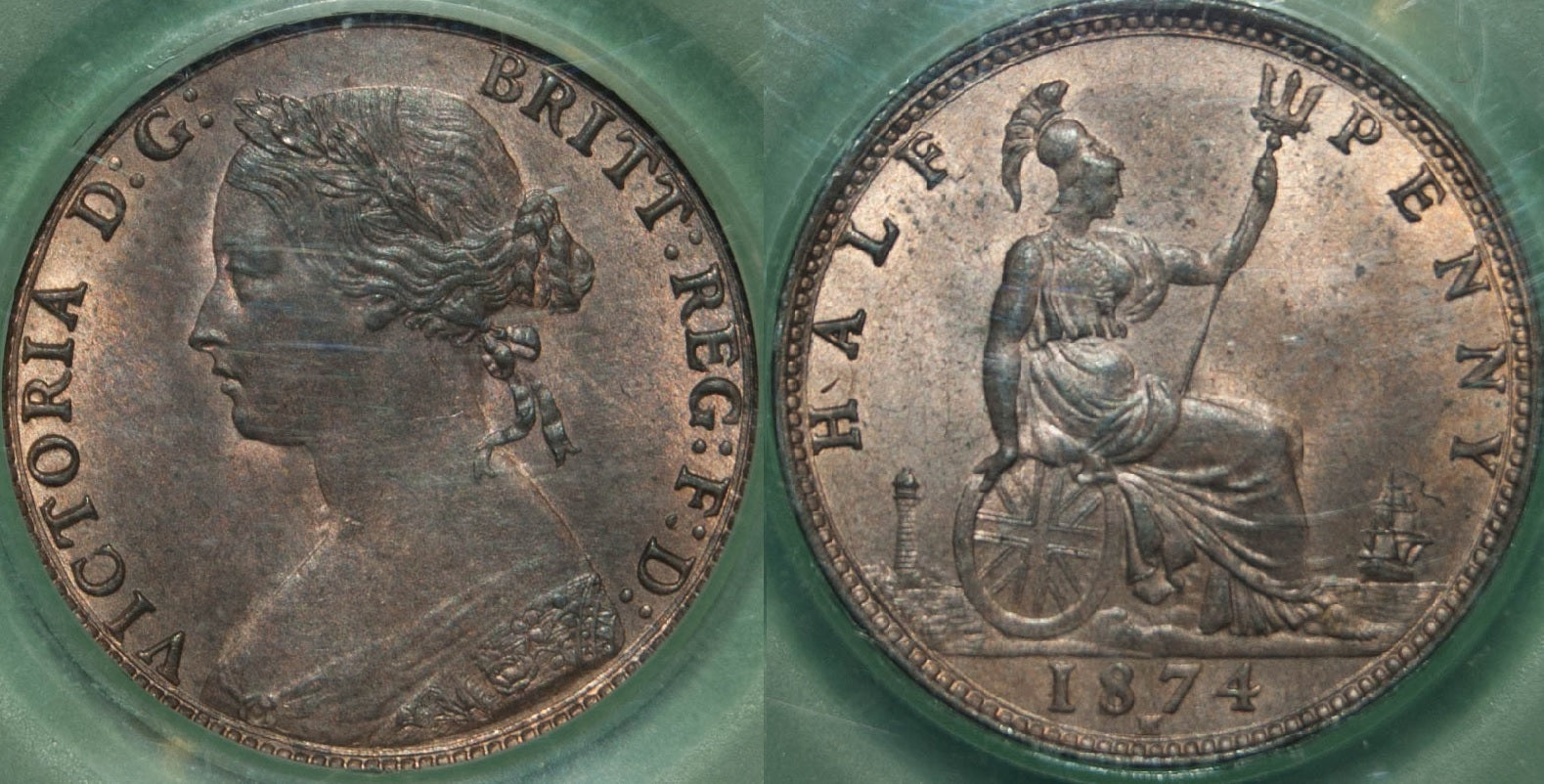
1874H Halfpenny, LCGS 82
Sold Out
S3957, Freeman 318 [10+J]. Victoria 1874H bun head halfpenny struck at the Heaton mint and slabbed by LCGS grade 82. Practically as struck Grade: Unc

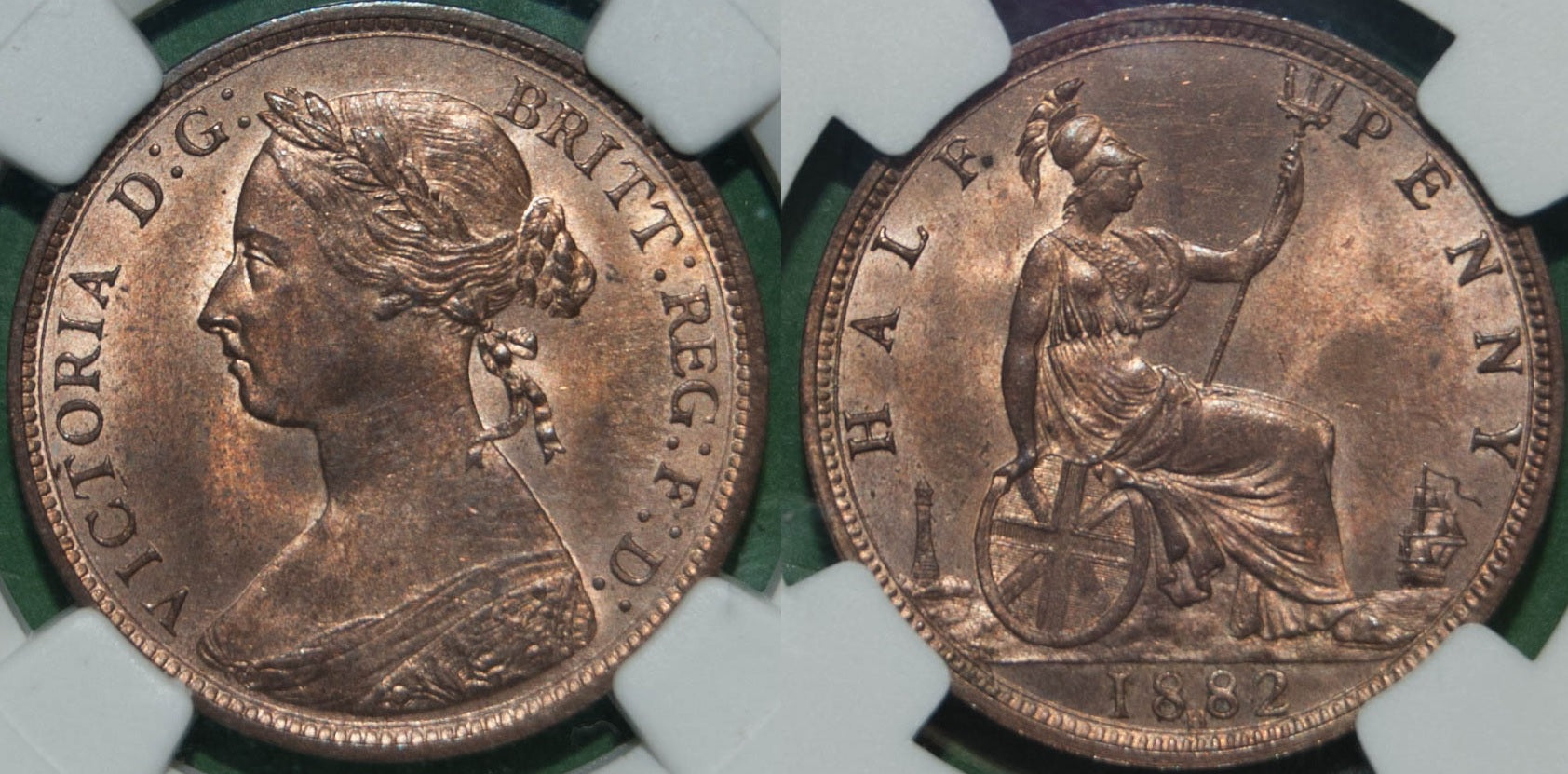
1882H Halfpenny, NGC MS64RB
Sold Out
S3957, Freeman 347 [19+S]. Victoria 1882H halfpenny struck at the Heaton mint and slabbed by NGC grade MS64RB. Virtually full lustre. Grade: Unc

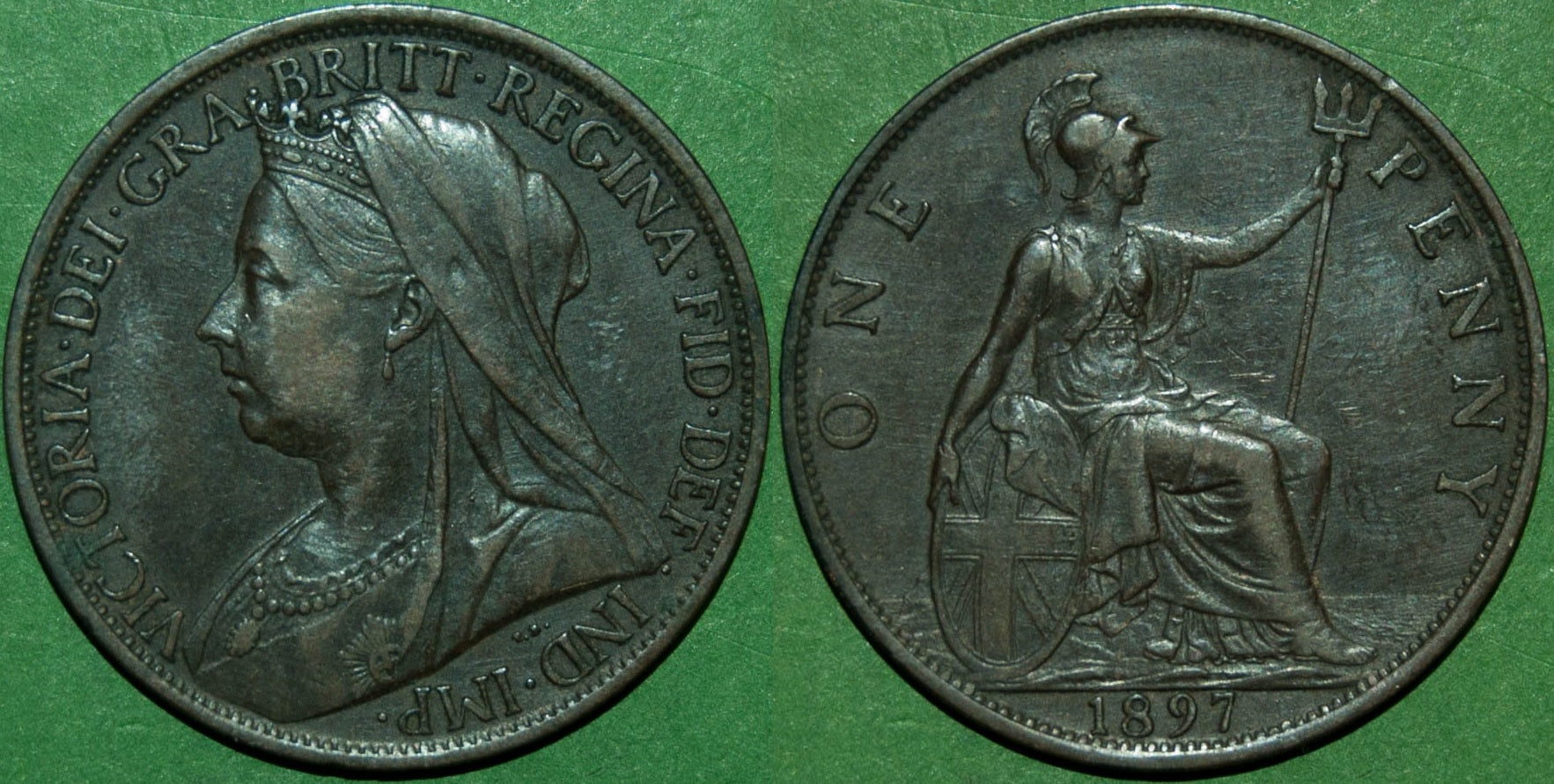
1897 Penny
£12.00
S3961, Freeman 145, Gouby BP1897Ab. Victoria 1897 normal sea level penny with 10.5 teeth date width. Toned with light wear Grade: nEF

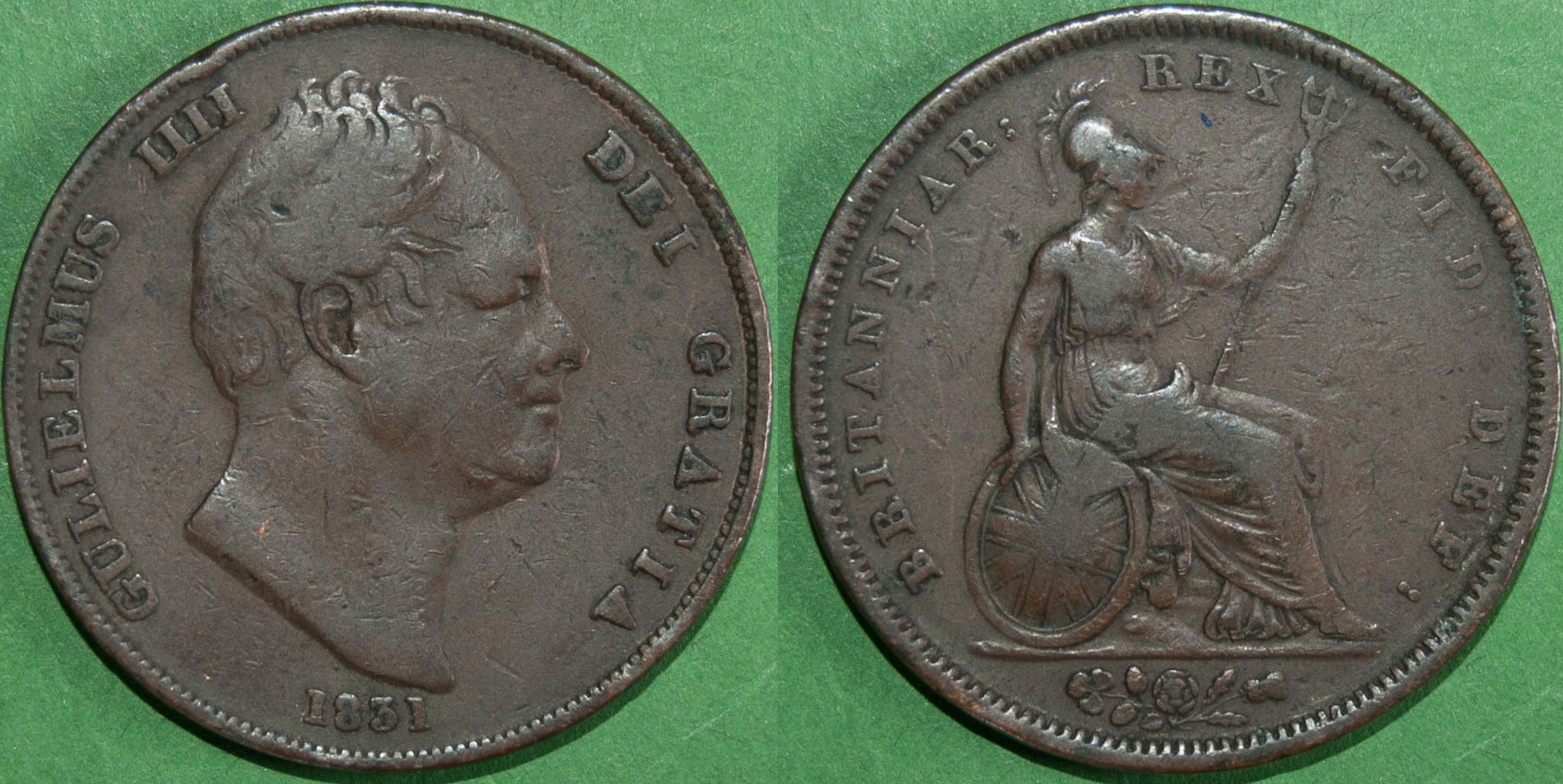
1831 Penny, w.w on truncation
£125.00
S3845, P1458*. William IV 1831 penny with w.w on the truncation. The rarest of the 3 varieties and rare in any grade. Considerable wear to both sides with a few...

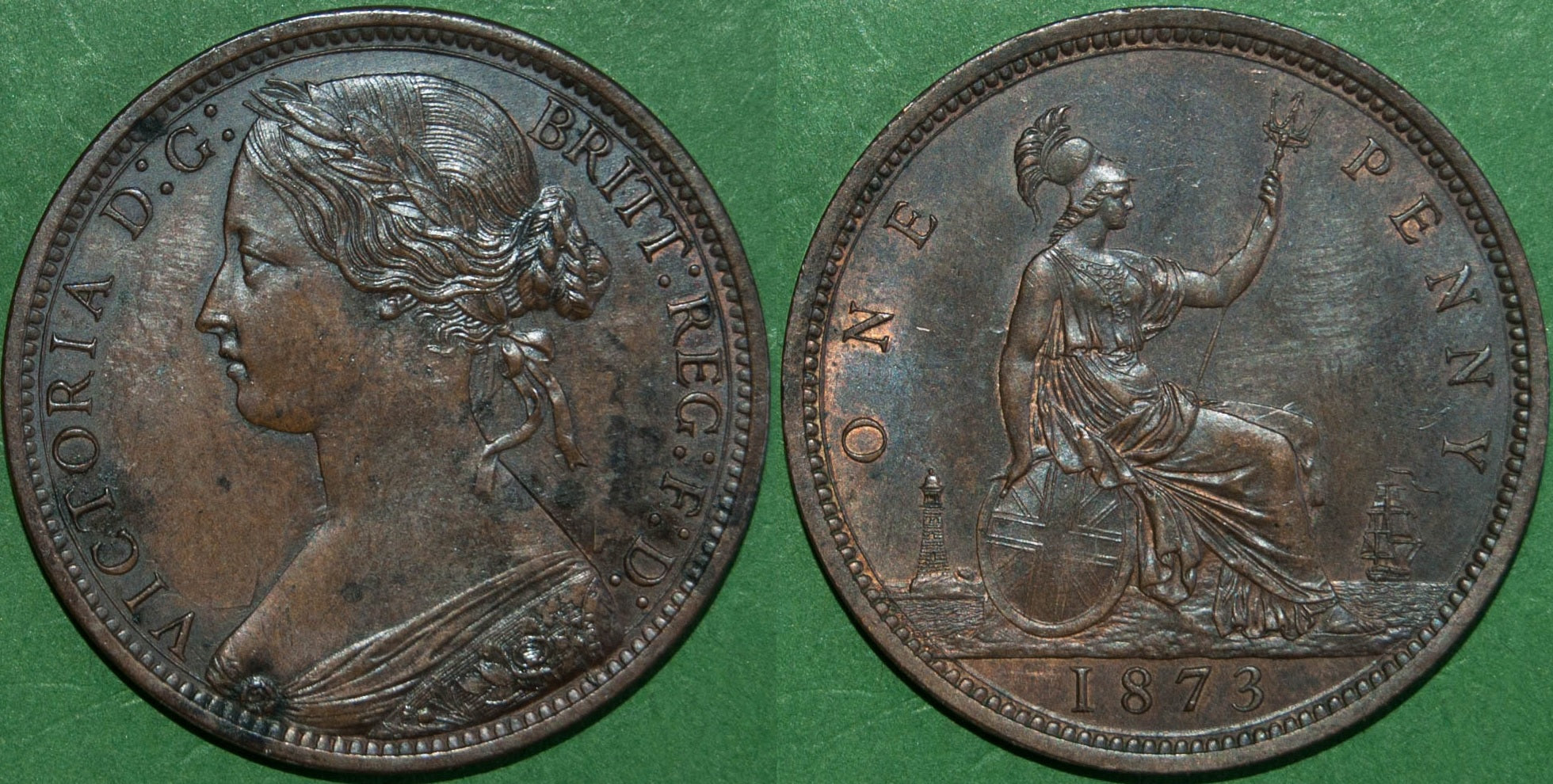
1873 Penny
£100.00
S3954, Freeman 64, Gouby BP1873Ac. Victoria 1873 bun head penny with Freeman dies 6+G and 11.5 teeth width date. A bare trace of friction and blotchy toning Grade: gEF

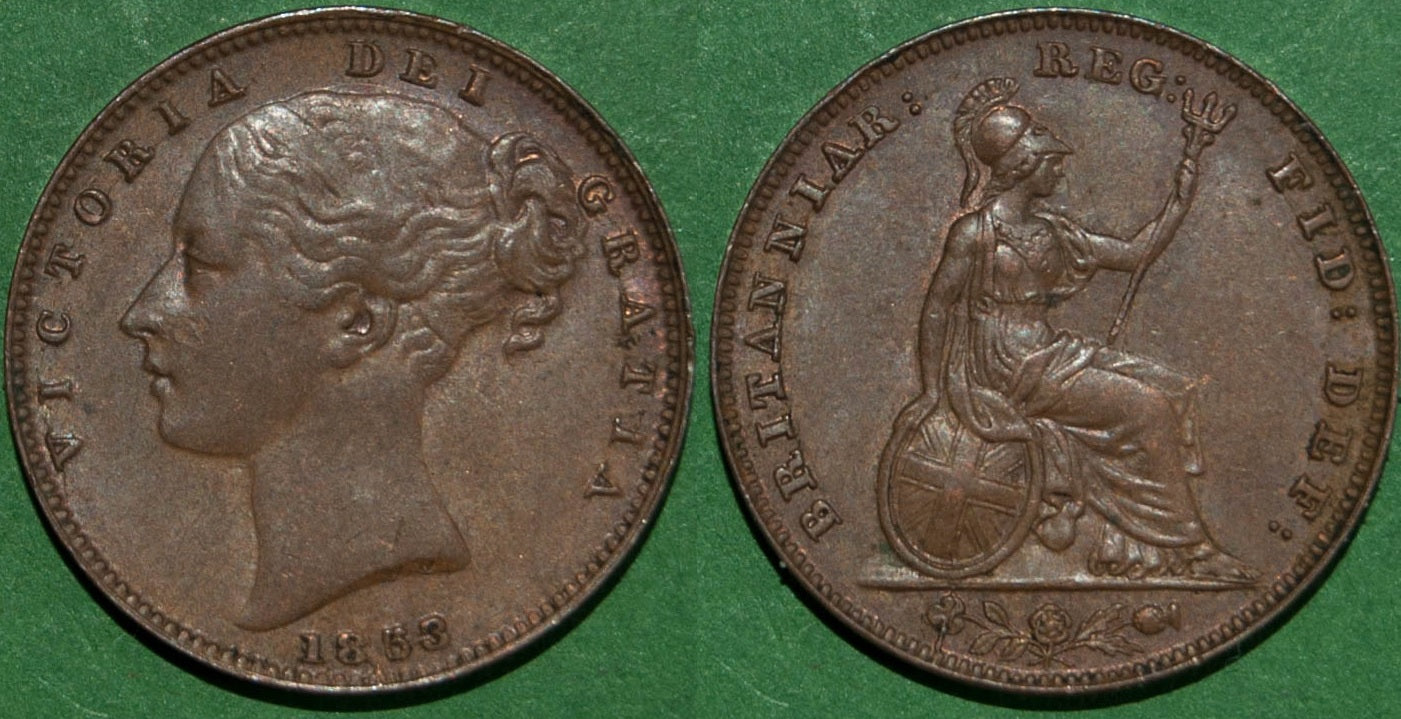
1853 Farthing, ww Incuse
£50.00
S3950, Peck 1578. Victoria 1853 copper farthing with ww incuse on the truncation. Rare. Toned, with even wear to the high points. Grade: gVF

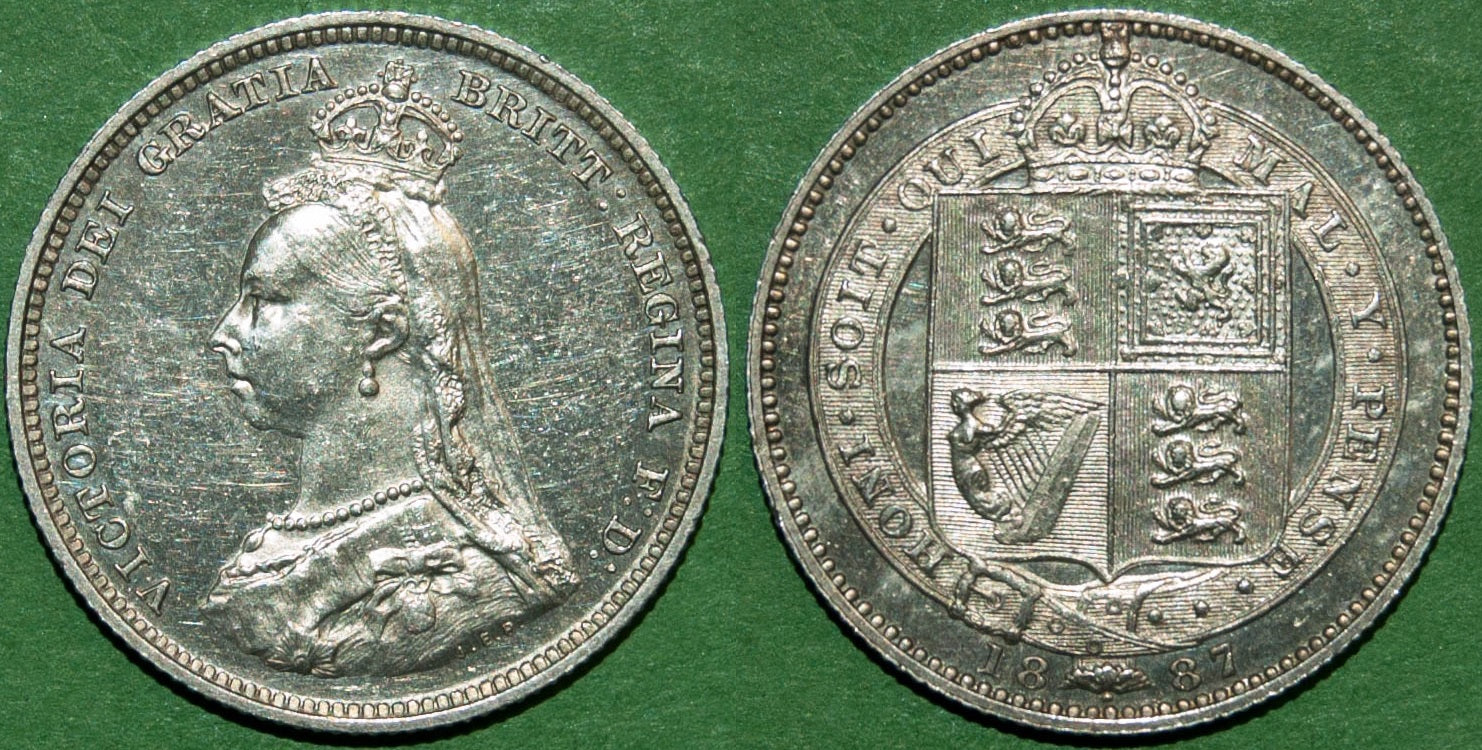
1887 Jubilee Head Shilling
£45.00
S3926, Davies 981. Victoria 1887 JH shilling with Davies dies 1+B(short tail Q). Brilliant fields with some tiny marks. Grade: EF+

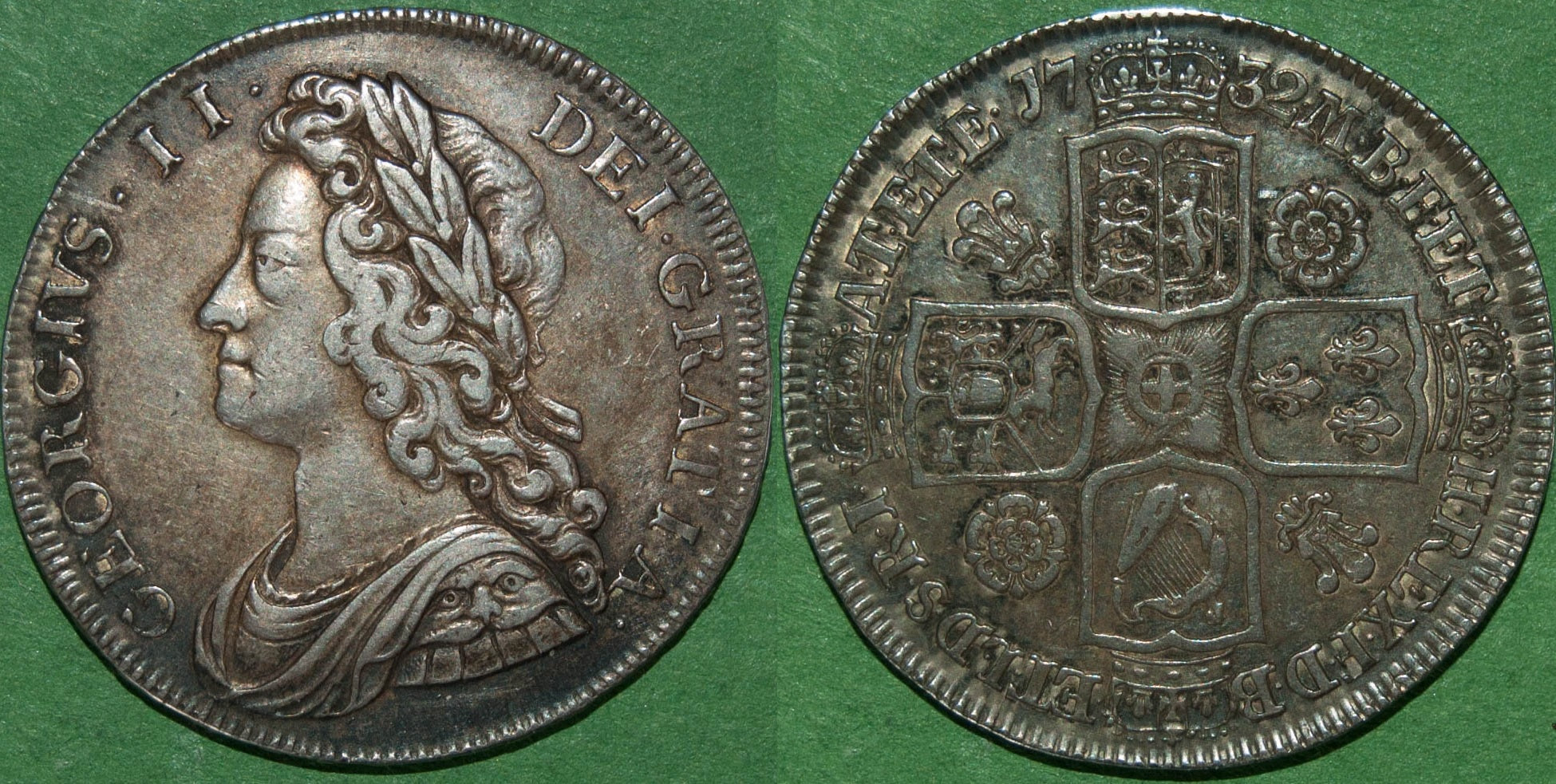
1732 Halfcrown
£1,192.50
S3692, ESC 1675 (596). George II 1732 young head halfcrown with Roses & Plumes reverse, SEXTO edge and 10 harp strings. Comes with an old ticket dating from circa 1980....

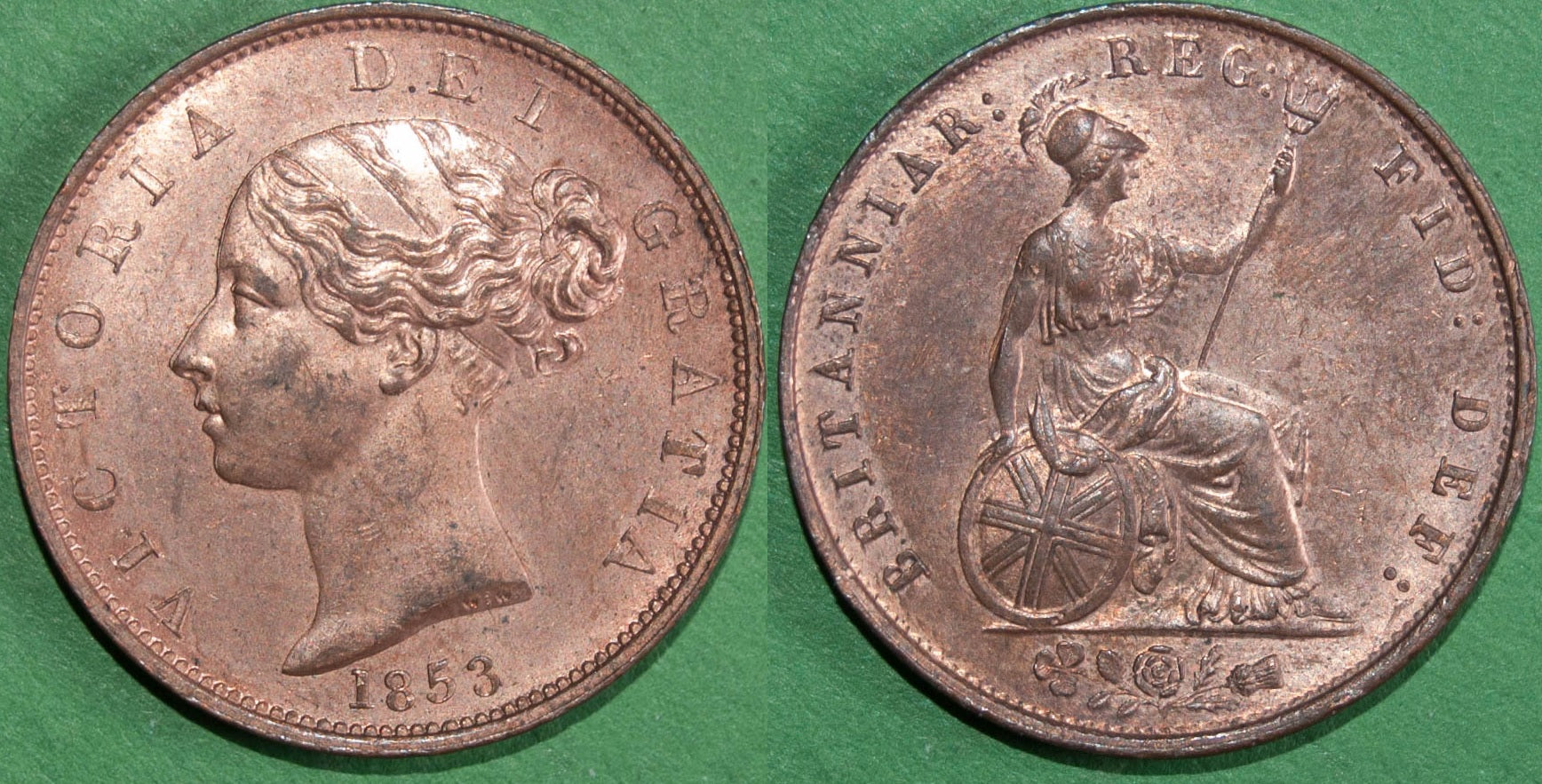
1853 Halfpenny
Sold Out
S3949, P1539. Victoria 1853 copper halfpenny. Virtually full lustre, the date clumsily entered on the die and a mark to Britannia on the reverse. Grade: Unc/gEF

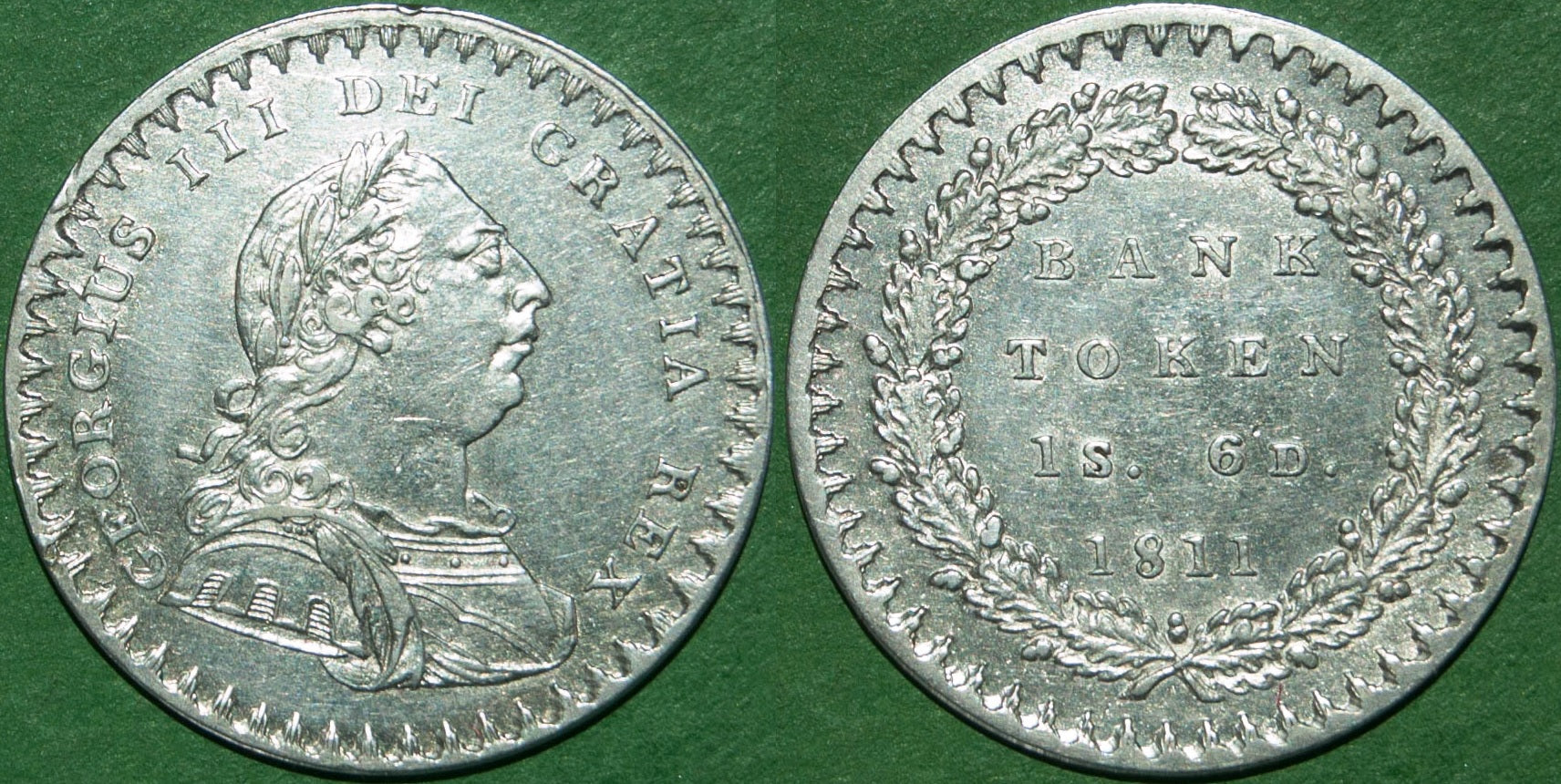
1811 One Shilling and Sixpence Bank Token
Sold Out
S3771, Davis 61, ESC 2112 (969). George III 1811 eighteen pence bank token with laureate and cuirassed bust. Some wear to the higher points. Dipped and a little bright in...

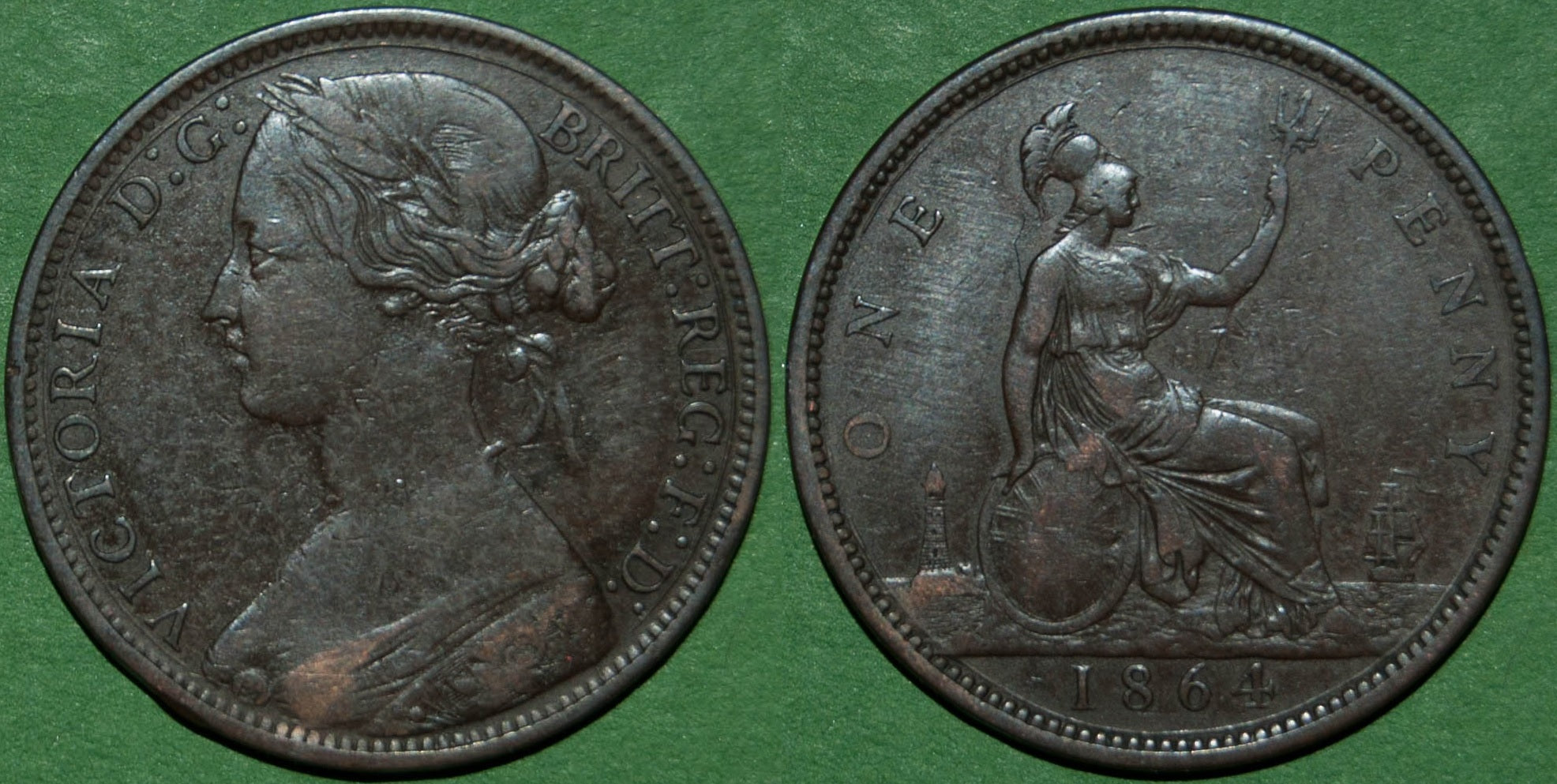
1864 Penny, Crosslet 4
£120.00
S3954, Freeman 48, Gouby BP 1864B. Victoria 1864 penny with crosslet 4. Rare. Wear to the higher points Grade: VF

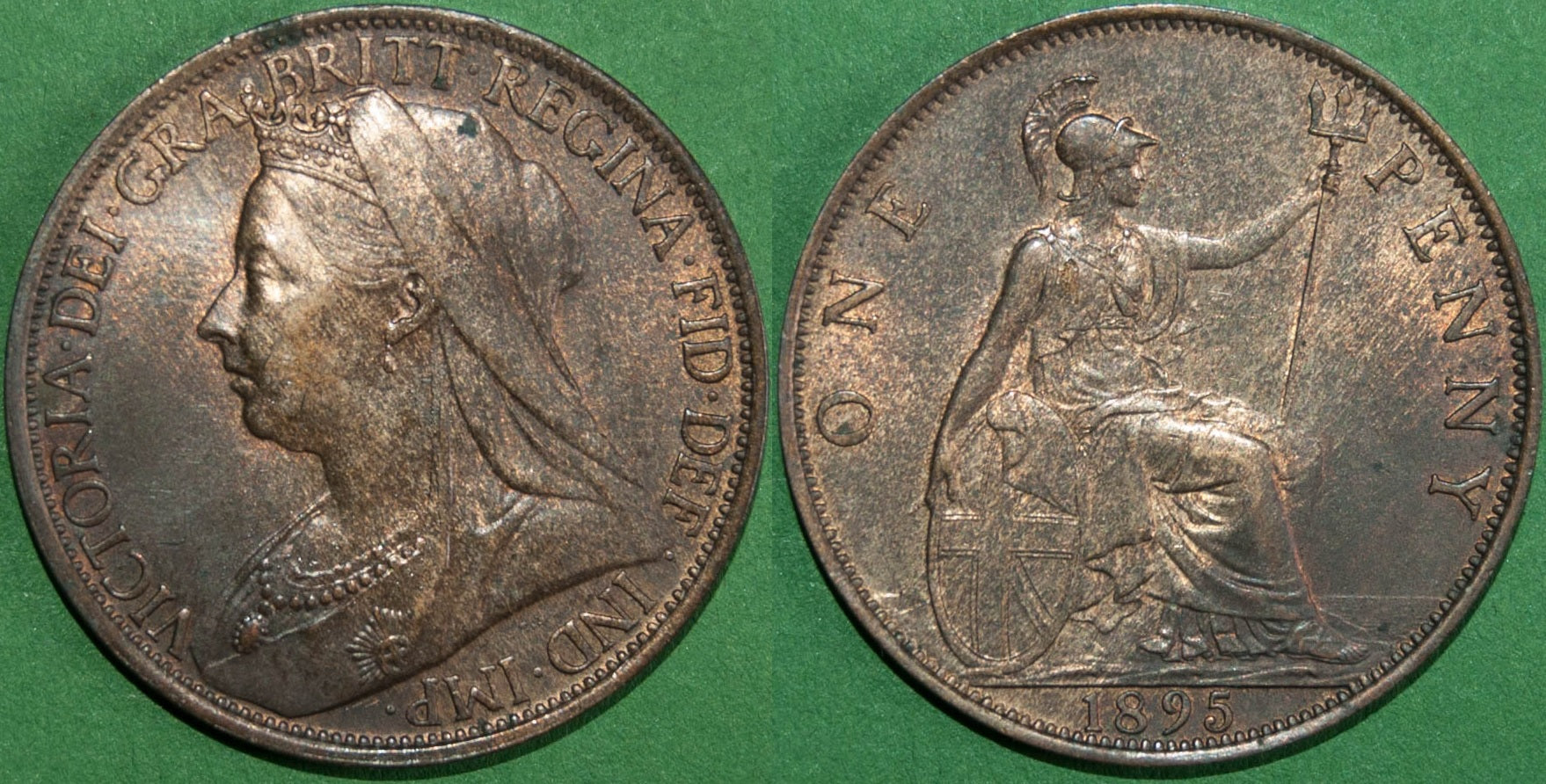
1895 Penny
£45.00
S3961, Freeman 141, Gouby BP 1895Ba. Victoria veiled head 1895 penny with normal sea level. Scarce. Minimal wear with irregular toning Grade: gEF/EF+
© 2026 RP Coins.